
Why a Weekly Movement Audit Works
Most people overhaul their fitness routines based on impulse — a bad week, a motivating article, or a sudden resolution. The problem is that without an honest baseline, changes often miss the actual gap. You might add a new workout when the real issue is inconsistent sleep. You might push harder when your body is signaling it needs recovery.
A weekly movement audit is a short, structured self-assessment that replaces guesswork with clarity. It's not a diagnostic tool and it's not a substitute for professional guidance — it's a thinking framework. By asking the right questions before adjusting your routine, you make changes that are more likely to stick.
This approach pairs naturally with broader habit reviews. If you're already using a daily routine audit to evaluate your sleep, nutrition, and stress patterns, this movement-specific checklist gives you the fitness layer of that same picture.
Use this audit weekly — ideally at the end of the week when your recall is fresh. Work through each group honestly. You don't need to act on every finding immediately; the goal is awareness first.
Tools You'll Need
This audit is low-tech by design. You need a way to record your answers and a few minutes of uninterrupted reflection. Optional tools can add precision, but none are required.
Notebook or journal
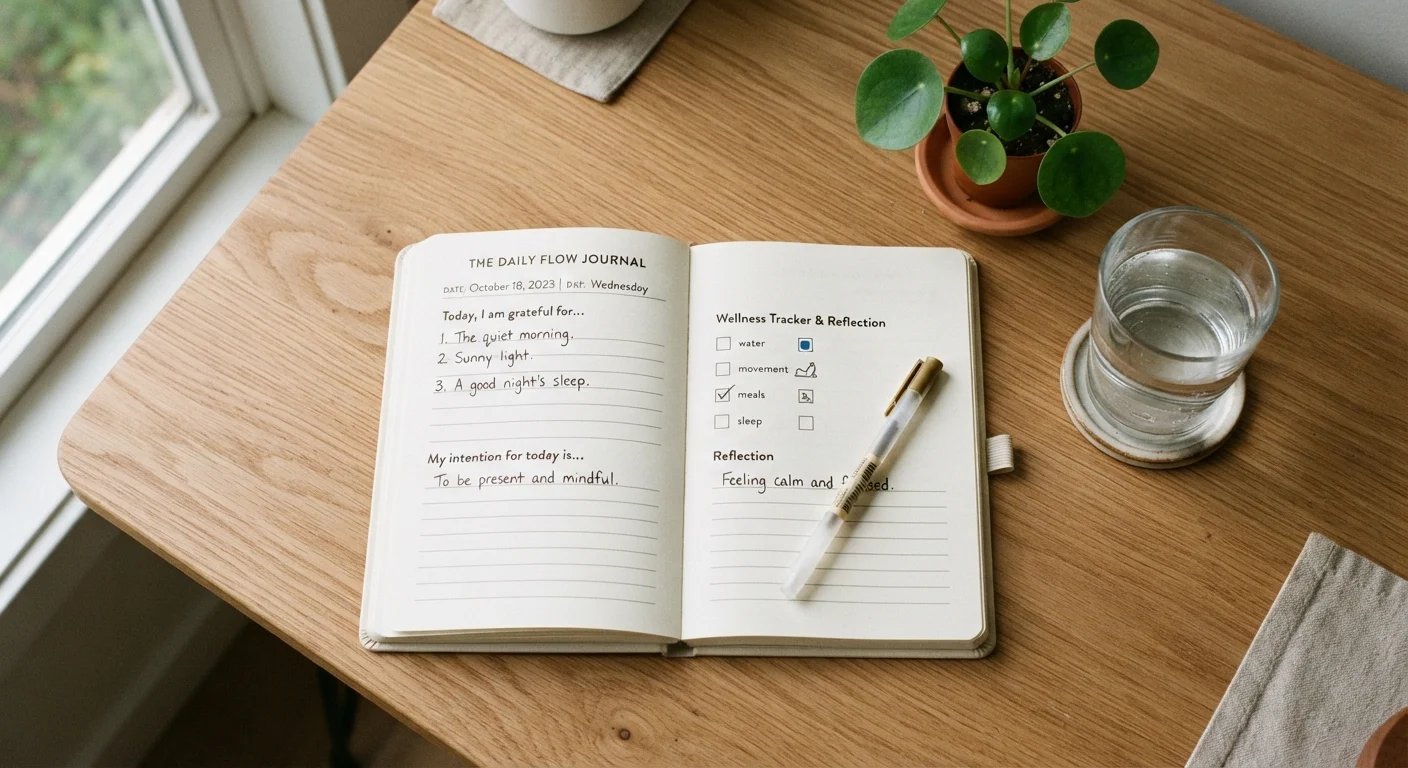
Record your weekly answers in writing so you can track patterns over time.
Phone calendar or planner
Cross-reference planned versus completed sessions for an accurate consistency count.
Fitness tracking app or wearable
Provides objective data on steps, active minutes, and heart rate to supplement your self-assessment.
Sleep tracking log
Helps you connect sleep quality patterns to energy and performance during movement sessions.
The Weekly Movement Audit Checklist
Work through each group in order. Be specific rather than general — "I walked three times" is more useful than "I was pretty active." If you're building toward a fuller weekly structure, the principles in building a weekly exercise routine can help you interpret what your audit reveals.
Consistency Review
Intensity and Effort Check
Movement Variety
Recovery and Body Signals
Motivation and Sustainability
Change Decision Gate
If several items in the Recovery or Energy sections are flagging concern, consider whether a routine change is actually what's needed — or whether rest, sleep, or stress reduction would serve you better first. See your weekly stress check-in for a complementary self-assessment.
Pain Is Not a Progress Signal
This audit is a self-reflection tool, not a pain management guide. If you notice joint pain, chest discomfort, dizziness, or unusual symptoms during or after exercise, do not adjust your routine on your own — consult a qualified healthcare professional before continuing. Discomfort from normal muscle effort is different from pain that signals injury or an underlying condition, and only a professional can help you distinguish between them.
Turning Audit Findings Into Smart Next Steps
Once you've completed the checklist, look for patterns rather than isolated items. A single missed workout is noise; three weeks of missed workouts in the same time slot is a scheduling problem worth solving. Persistent soreness alongside low sleep scores suggests recovery is the priority, not a harder program.
Before acting on your findings, it's worth reviewing the foundational considerations covered in what to check off before beginning a new exercise routine — especially if your audit points toward a significant change in type, duration, or intensity.
Research on habit formation consistently shows that small, incremental adjustments outperform dramatic resets. If your audit reveals gaps, choose one targeted change per week rather than rebuilding everything at once. This approach is one of the key reasons why new activity habits collapse in the first month — too much change, too fast.
Repeat this audit at the same time each week. Over a month, you'll have a reliable record of what's working, what isn't, and how your body is actually responding — not how you hoped it would.
This article is for general informational and educational purposes only and does not constitute medical advice. Consult a qualified healthcare professional before making significant changes to your physical activity, especially if you have an existing health condition, injury, or concern.