Why Protein Confusion Is So Common
Protein has a strong reputation in popular health culture — often portrayed as the macronutrient you simply can't get enough of. That reputation, while partially grounded in real science, has produced a wave of misunderstandings that lead everyday eaters to make choices that don't match their actual needs.
Understanding what protein genuinely does in the body is the foundation for getting it right. It supports enzymes, immune function, hormone production, and tissue repair — not just muscle building. For a fuller picture of those roles, see Protein's Job Description: Beyond Muscle Building. With that foundation in place, the common mistakes become much easier to spot and correct.
The Mistakes People Most Commonly Make
The errors below aren't signs of carelessness — they typically stem from oversimplified messaging or genuinely conflicting information. Recognizing the pattern is the first step toward building a more accurate picture of your own protein needs.
Assuming more protein is always better, regardless of how much you're already eating.
Why it happens: High-protein messaging in fitness culture creates the impression that protein consumption has no upper limit of usefulness. When athletes and bodybuilders visibly benefit from higher intakes, many people assume the same logic applies to everyone.
Treating protein needs as a fixed number that applies equally to all adults.
Why it happens: Simple rules like "eat X grams per day" are easier to remember and share than nuanced guidance, so they spread widely — even when they flatten real individual variation.
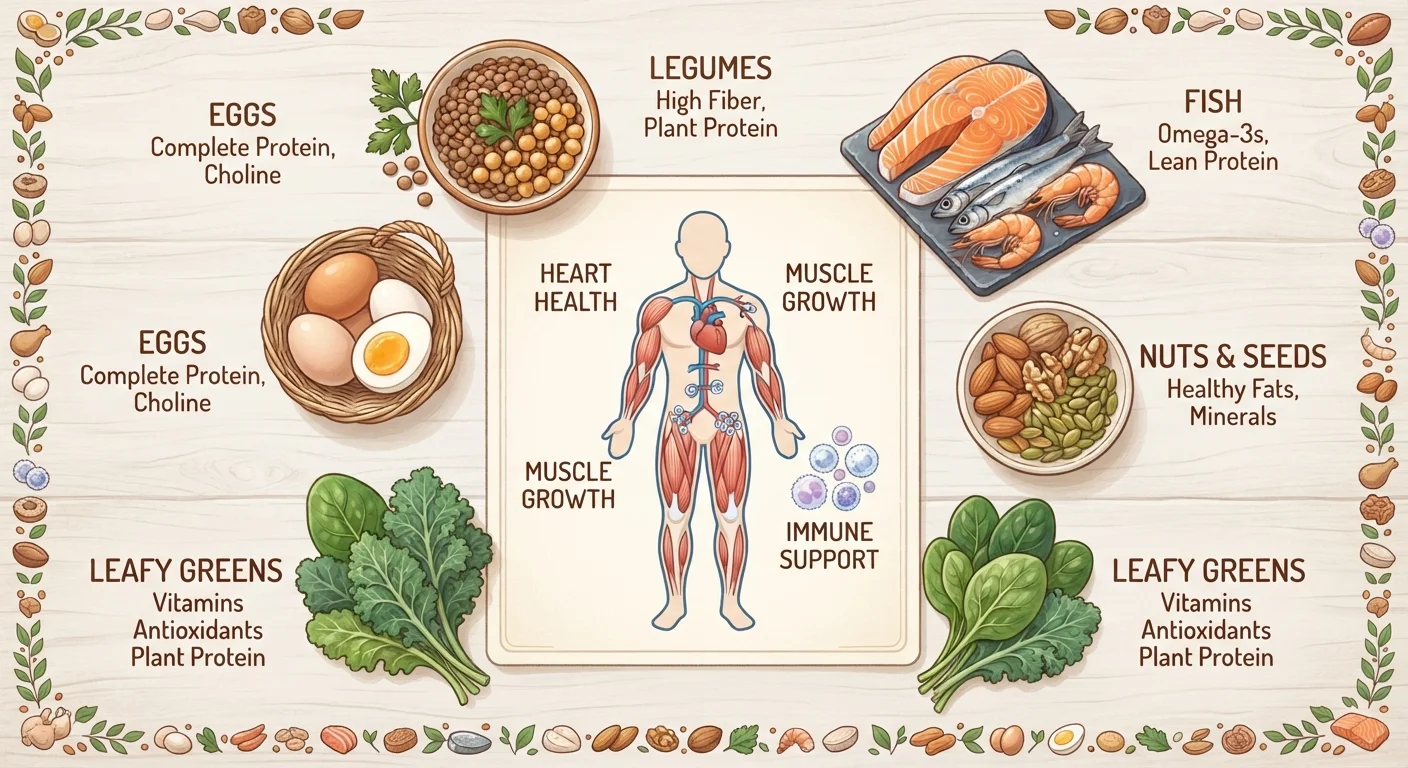
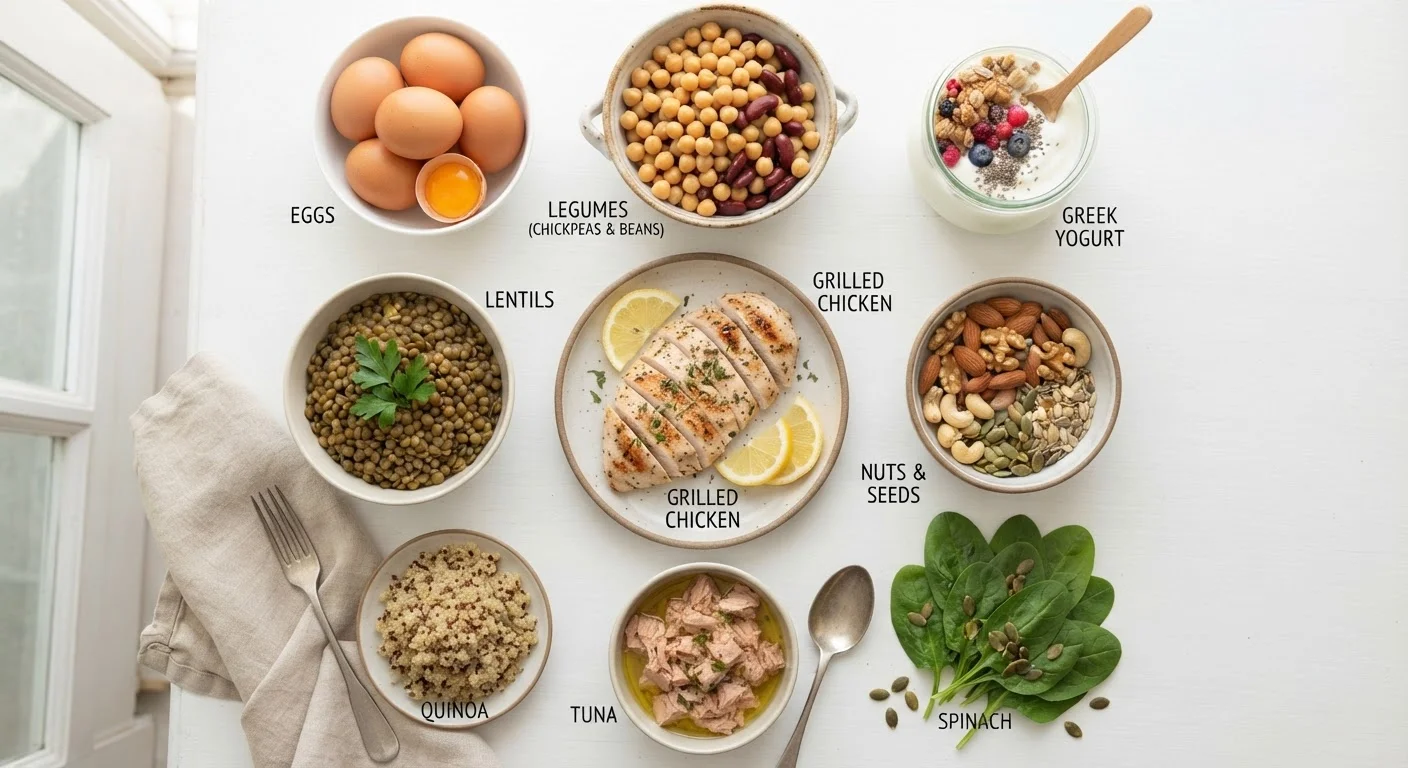
Believing that plant-based eaters cannot get adequate protein without supplements.
Why it happens: The concept of "complete" versus "incomplete" proteins — meaning whether a food contains all essential amino acids — gets condensed into the idea that plant proteins are simply inferior or insufficient.
Ignoring protein distribution across meals and focusing only on daily totals.
Why it happens: Nutrition labels and apps make it easy to track cumulative daily intake, which trains people to think in daily totals. The question of how that intake is spread across meals gets less attention.
Confusing high-protein foods with high-quality protein sources.
Why it happens: Calorie counters and protein trackers report grams without accounting for digestibility or amino acid profile, leading people to treat all protein grams as equivalent.
Overlooking how protein interacts with the rest of the diet.
Why it happens: Focusing heavily on one macronutrient often comes at the expense of understanding how protein, carbohydrates, and fats work together. Some people cut carbohydrates sharply while raising protein, not realizing that carbohydrates play their own essential role.
This article is for general informational and educational purposes only and is not a substitute for personalized medical or dietary advice. Consult a qualified healthcare professional or registered dietitian before making significant changes to your diet, especially if you have an existing health condition.