
What Is a Chronotype and Why Does It Vary?
If you have ever dragged yourself out of bed at 6 a.m. while a friend effortlessly rises before dawn, or found your sharpest thinking happening well after midnight, you have experienced chronotype differences firsthand. A chronotype is not simply a preference — it is a measurable biological trait reflecting the phase of your internal circadian clock.
Researchers typically describe chronotypes along a spectrum. At one end are morning types (often called larks), who feel energized early and naturally tire in the evening. At the other end are evening types (night owls), whose alertness and productivity peak later in the day. The majority of people fall somewhere in the intermediate range. Some researchers propose a more nuanced four-category model — adding "bear" and "lion" archetypes — though the classic morning-evening spectrum remains the foundation of most scientific work.
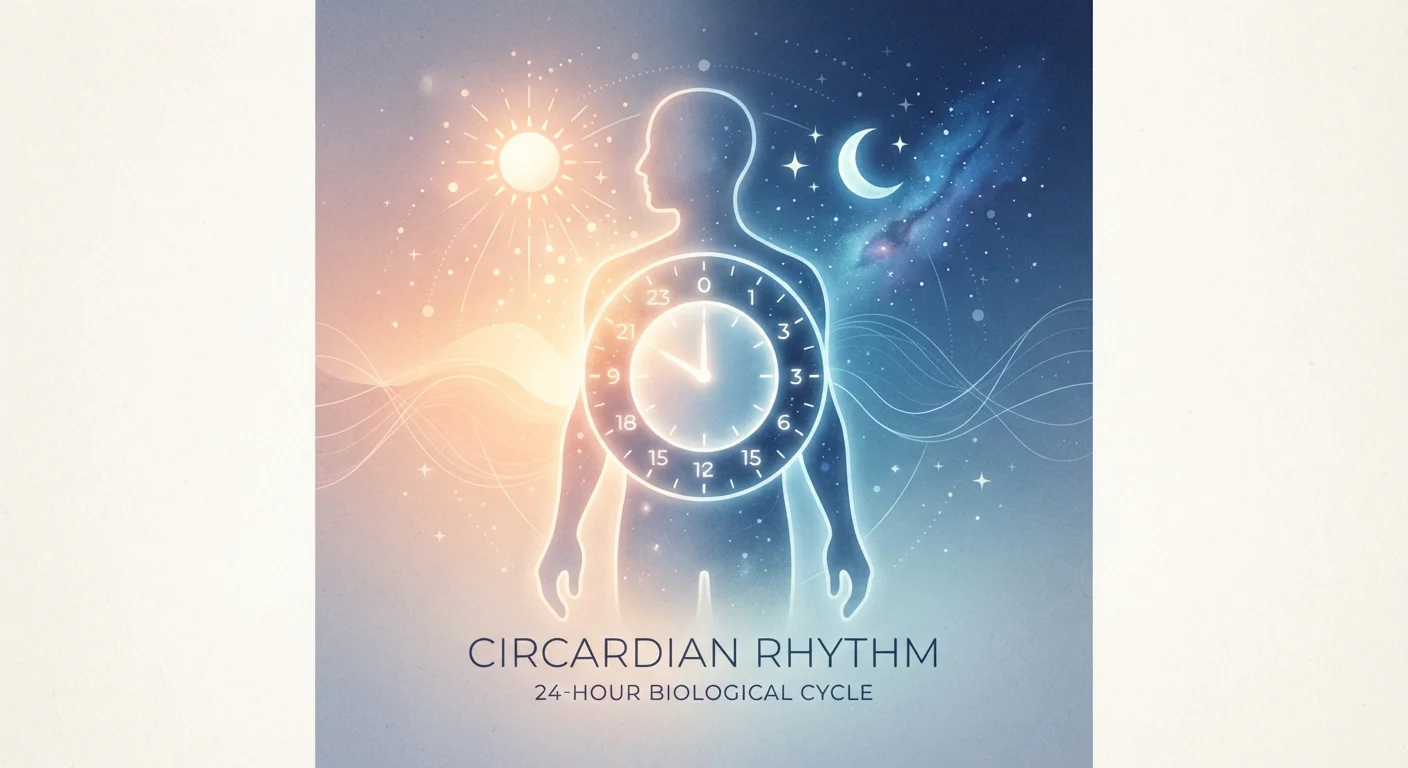
The key driver of chronotype variation is the phase of your circadian clock: how early or late it runs relative to the actual 24-hour day. Your circadian rhythm is orchestrated by a cluster of neurons in the brain's hypothalamus called the suprachiasmatic nucleus (SCN). This master clock is synchronized by external cues — especially light — but its baseline timing is largely set by your genes.
The Genetics Behind Your Sleep Timing
Genome-wide association studies have identified more than 350 genetic variants linked to sleep timing preferences, with morning-type variants being more commonly identified than evening-type ones. Key genes involved include PER1, PER2, PER3, CLOCK, and CRY1 — all components of the molecular feedback loops that keep the circadian clock ticking.
A particularly striking example is a mutation in the CRY1 gene associated with a condition called delayed sleep phase disorder (DSPD), in which affected individuals feel unable to sleep until the early hours of the morning and struggle severely to wake at conventional times. This is an extreme version of the evening chronotype, not a behavioral failing. Twin studies further confirm that roughly 50% of chronotype variation is heritable, meaning genetics account for about half of the differences between individuals.
~50%
Heritability of chronotype
Twin studies estimate roughly half of individual variation in sleep timing preference is attributable to genetic factors.
350+
Genetic variants linked to sleep timing
A large-scale genome-wide association study published in Nature Communications identified over 350 loci associated with morning or evening preference.
~69%
Adults with at least 1 hour of social jetlag
Research by Roenneberg and colleagues found the majority of adults show measurable misalignment between biological and social clock timing.
The remaining variation comes from environmental factors — most powerfully, light exposure. Morning light and evening light affect melatonin timing in opposite ways, and daily light patterns can advance or delay your circadian phase by meaningful amounts over time.
How Age and Life Stage Shift Your Chronotype
Chronotype is not fixed for life. It tracks a predictable developmental arc. Young children tend to be early risers. During puberty, the circadian clock shifts significantly later — a well-documented biological phenomenon that explains why teenagers genuinely struggle to fall asleep early or wake for school. This evening drift peaks in the late teens to early twenties, then reverses gradually. By middle and older adulthood, most people shift earlier again.
Sex differences also appear. Research has consistently found that, during reproductive years, males tend to skew slightly more toward evening types than females of the same age. These differences narrow after midlife. Understanding these patterns matters for practical reasons: school start times, work schedules, and social expectations often fail to accommodate the biology of the people they affect most.
Social Jetlag: When Biology Clashes with the Clock
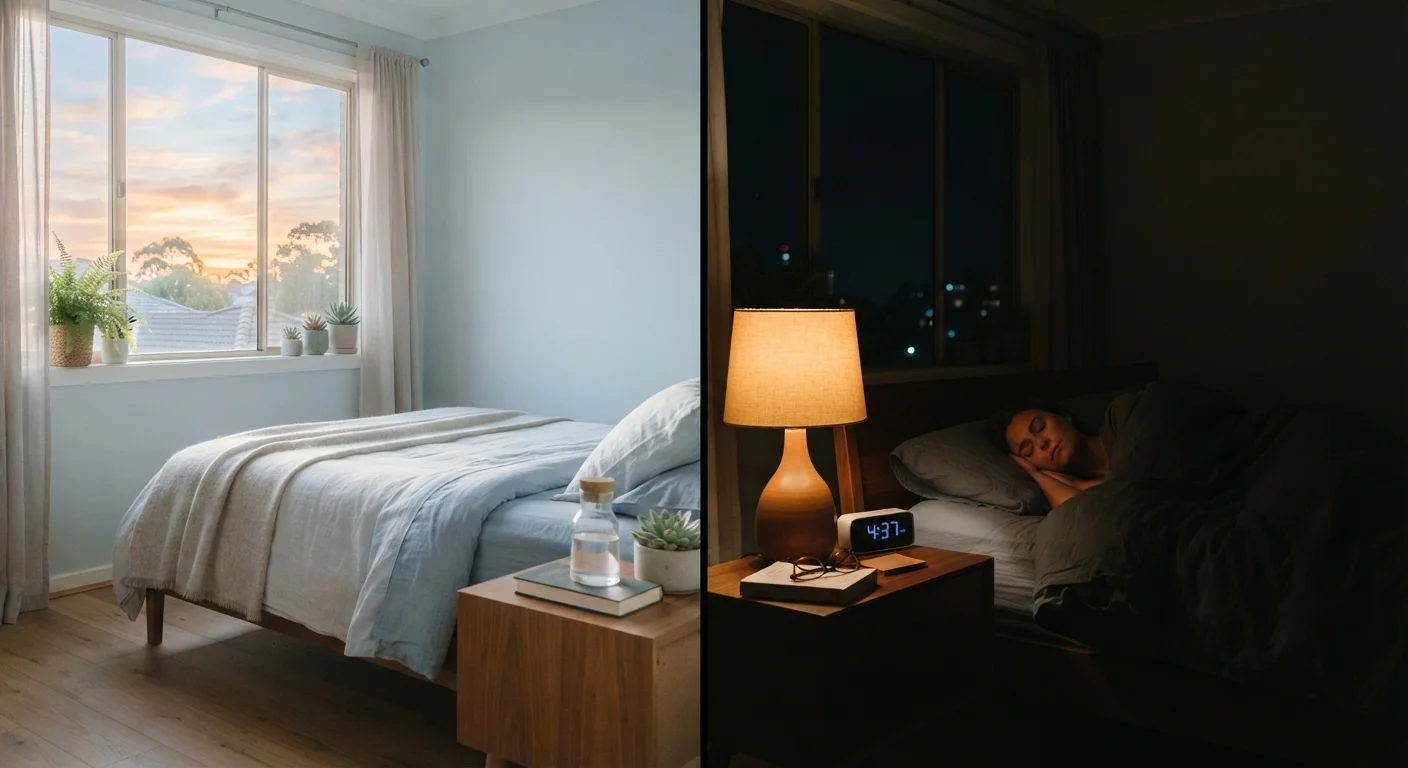
One of the most consequential concepts to emerge from chronotype research is social jetlag — a term coined by chronobiologist Till Roenneberg to describe the chronic mismatch between a person's biological sleep timing and society's imposed schedule. If your body clock says sleep at 1 a.m. but your job requires you up at 6 a.m. five days a week, you are effectively living in a different time zone on weekdays compared to weekends.
This misalignment is common. Population data suggest a majority of people experience at least some degree of social jetlag, with evening types bearing the heaviest burden. The physiological costs are real: research has associated chronic social jetlag with increased risk of metabolic disruption, mood difficulties, impaired cognitive function, and poorer cardiovascular markers — though causality in many associations is still being studied.
Recognizing your chronotype is, therefore, more than an interesting self-knowledge exercise. It can inform decisions about scheduling, work arrangements, and daily structure. For practical guidance on organizing your day around your natural energy patterns, see our article on designing a daily routine around your natural energy patterns.
“Social jetlag is a kind of misalignment between the biological clock and the social clock. It is not the same as sleep deprivation — it is about timing, and the health consequences appear to be independent of total sleep amount.”
— Till Roenneberg, Chronobiologist and professor, Ludwig Maximilian University of Munich; originator of the social jetlag concept
This article is for informational purposes only and does not constitute medical advice. If you are experiencing significant sleep difficulties or disruptions, consult a qualified healthcare professional.