Why the Language of Stress Matters
When you read about stress and anxiety — whether in a doctor's office pamphlet, a self-help book, or a wellness article — you often encounter a cluster of terms that can feel abstract or interchangeable. But these words carry precise meanings, and understanding them helps you make sense of your own experience and engage more confidently with mental health resources.
This glossary focuses on the terms most commonly used in evidence-based discussions of stress and anxiety. It's designed as a plain-language reference you can return to whenever a concept needs unpacking. For a closer look at how stress and anxiety actually differ from each other in practice, see our article Anxiety vs. Stress: Two Familiar Feelings That Work Very Differently.
This Is General Information, Not Medical Advice
The terms in this glossary are drawn from psychology, neuroscience, and clinical literature, but this article is for educational purposes only. If you are experiencing significant anxiety, persistent stress, or symptoms that affect your daily life, please consult a qualified healthcare or mental health professional. Only a licensed clinician can evaluate, diagnose, or recommend treatment for your specific situation.
Core Terms Defined
Below are the key terms you're most likely to encounter when reading about stress, anxiety, and the body's response to both. Each definition is written in plain English and grounded in established science.
If you're also exploring mindfulness as a coping strategy, you may find our companion reference Key Terms Every Mindfulness Beginner Should Know a helpful companion — it covers concepts like 'body scan' and 'non-judgmental awareness' in the same accessible format.
Putting the Terms in Context
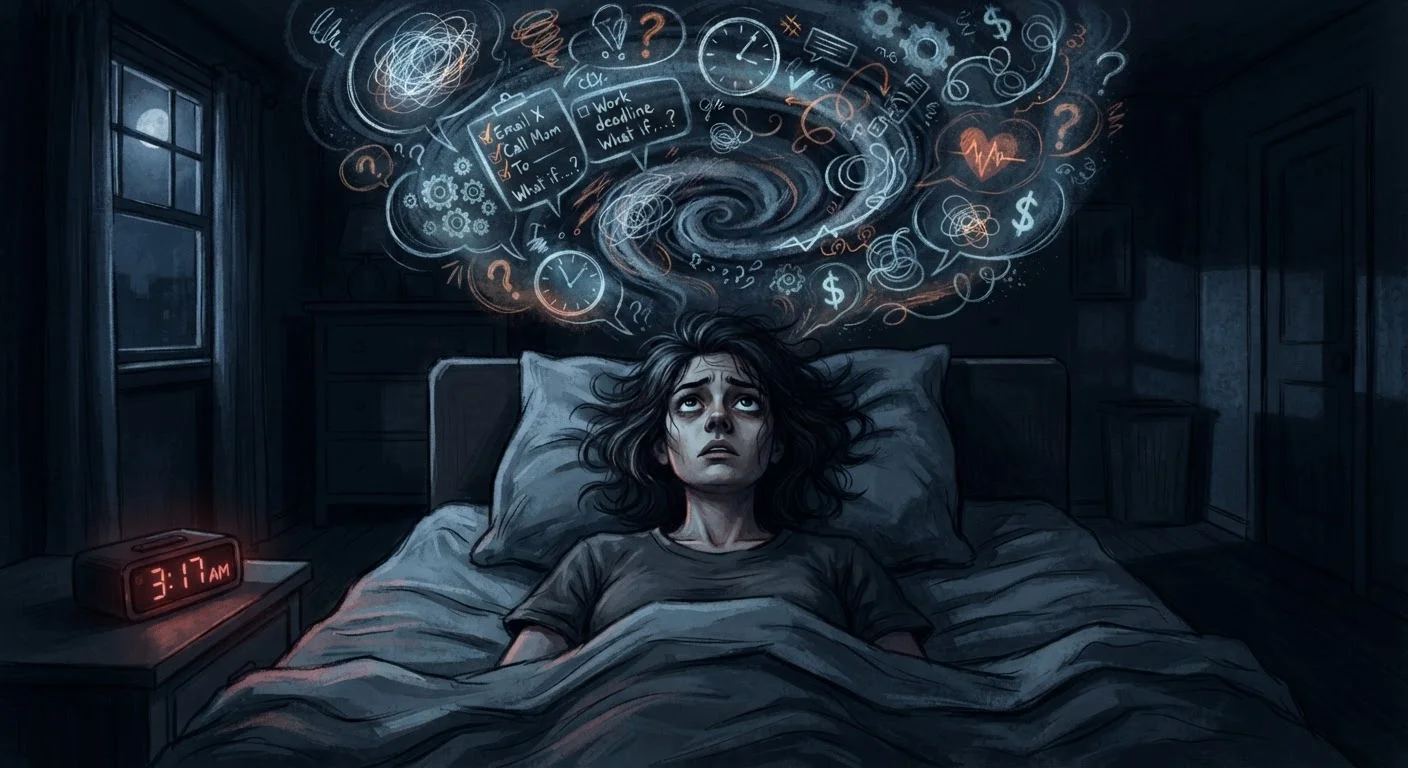
These concepts don't exist in isolation — they interact in ways that shape everyday experience. For example, the amygdala triggers the fight-or-flight response, which causes the HPA axis to release cortisol. If this cycle is activated repeatedly without resolution, chronic stress and hyperarousal can set in, making it harder to sleep or concentrate. Rumination often feeds into this loop, keeping the nervous system in a state of low-level alarm even when no real threat is present.
| Primary stress hormone | Cortisol (American Psychological Association) |
| Threat-detection brain region | Amygdala (NIH National Institute of Mental Health) |
| Nervous system 'calm' branch | Parasympathetic nervous system |
| Most common anxiety disorder in the U.S. | Generalized Anxiety Disorder (GAD) (Anxiety & Depression Association of America) |
| Chronic stress duration threshold | Weeks to months of persistent activation |
Understanding this chain of events matters because it points toward where interventions can help — activating the parasympathetic response through techniques like deep breathing or progressive muscle relaxation can interrupt the cycle. For a practical exploration of how rumination specifically disrupts sleep, see Stress, Rumination, and the Racing Mind.
If you're ready to build on this foundation, The Science and Practice of Mindfulness for Stress offers a beginner-friendly overview of evidence-based practices. You can also explore our Stress Management hub for techniques and strategies suited to everyday life.
This article is for informational purposes only and is not a substitute for professional medical or mental health advice. If you are concerned about stress, anxiety, or your mental health, please speak with a qualified healthcare professional.