
Why Exercise Myths Are Surprisingly Persistent
Fitness culture has always generated more noise than signal. Gym folklore, social media trends, and outdated advice passed between friends can calcify into "facts" that shape how millions of people approach — or avoid — physical activity. The stakes are real: when a misconception convinces someone that exercise has to hurt, take hours, or require special equipment, that person is less likely to move at all.
This article walks through the most common exercise myths, explains what the evidence actually says, and gives you a clearer foundation to build a habit that works. For a broader look at how these beliefs interact with other areas of wellness, it's worth exploring how similar myths affect mindfulness practice — the patterns of avoidance look remarkably alike.
Myth
No pain, no gain — if your workout doesn't hurt, it isn't working.
Fact
Discomfort from exertion is normal, but sharp pain is a warning sign, not a benchmark of effectiveness.
Muscle fatigue and mild burning during effort are expected parts of challenging exercise. However, pain — especially sharp, joint-focused, or sudden pain — signals potential injury, not productive training. Delayed onset muscle soreness (DOMS), the achiness felt 24–48 hours after unfamiliar exercise, does not reliably predict strength or fitness gains. Research consistently shows that progressive overload — gradually increasing demand over time — drives adaptation, whether or not each session feels brutal. Effective workouts can and often should feel manageable.
Myth
You need at least 30 consecutive minutes of exercise to get any benefit.
Fact
Shorter bouts of activity accumulate meaningfully and provide measurable health benefits.
Physical activity guidelines from major public health organizations recognize that movement doesn't need to be continuous to count. Three 10-minute walks spread through the day contribute to the same weekly activity total as one 30-minute session. Studies have found that accumulated short bouts of moderate-intensity activity improve cardiovascular markers, mood, and energy levels. If a packed schedule is the barrier, breaking activity into smaller chunks is a legitimate and evidence-supported strategy — not a compromise.
Myth
Cardio is the only type of exercise that helps with weight management.
Fact
Strength training also influences body composition, and a combination of both is generally most effective.
Aerobic exercise burns calories during the session, but resistance training builds muscle tissue that raises resting metabolic rate over time. Body composition — the ratio of muscle to fat — is influenced by both modalities. Focusing exclusively on cardio can, in some cases, lead to muscle loss alongside fat loss, which is counterproductive for long-term metabolism. Weight management myths extend well beyond the gym floor, and understanding how metabolism actually works helps clarify why no single exercise type is a complete solution.
Myth
Strength training will make women bulk up.
Fact
Building large muscle mass requires specific hormonal conditions and years of deliberate training — most people, including women, will not bulk up from regular resistance work.
Testosterone plays a central role in the degree of muscle hypertrophy (growth) a person can achieve. On average, women have significantly lower testosterone levels than men, which limits the ceiling for muscle size gains. What regular strength training typically produces in women — and most men who aren't training specifically for size — is improved muscle tone, increased strength, better bone density, and enhanced metabolic function. Resistance training is one of the most well-supported interventions for healthy aging across all genders.
Myth
If you stop exercising, your muscle turns into fat.
Fact
Muscle and fat are distinct tissue types — one cannot convert into the other.
When someone stops training, muscle tissue gradually decreases through a process called atrophy, while body fat may increase if caloric intake stays the same and energy expenditure drops. These are two separate biological processes happening simultaneously, not a transformation. The appearance of the change can feel dramatic, but understanding the actual mechanism matters: returning to activity can reverse atrophy, and the feared "conversion" is simply a shift in the balance between two independent tissue systems.
Building a Realistic Approach to Movement
Correcting these myths isn't just about clearing the record — it's about lowering the barrier to entry. When people understand that a 10-minute walk counts, that soreness isn't required, and that strength work is for everyone, exercise becomes far less intimidating.
The most durable fitness habits are built on consistency, not heroic effort. That means choosing activities you'll actually repeat, respecting recovery, and mixing movement types over time. Exploring different workout types — cardio, strength, flexibility, and more — can help you find what fits your schedule and preferences.
150 min
Weekly moderate activity recommended for adults
The U.S. Department of Health and Human Services Physical Activity Guidelines for Americans recommends at least 150 minutes of moderate-intensity aerobic activity per week for adults.
~80%
Adults not meeting aerobic activity guidelines
According to CDC data, roughly 80% of American adults do not meet the guidelines for both aerobic and muscle-strengthening activity.
2x/week
Recommended muscle-strengthening days
Public health guidelines recommend muscle-strengthening activities — such as resistance training — on two or more days per week for adults.
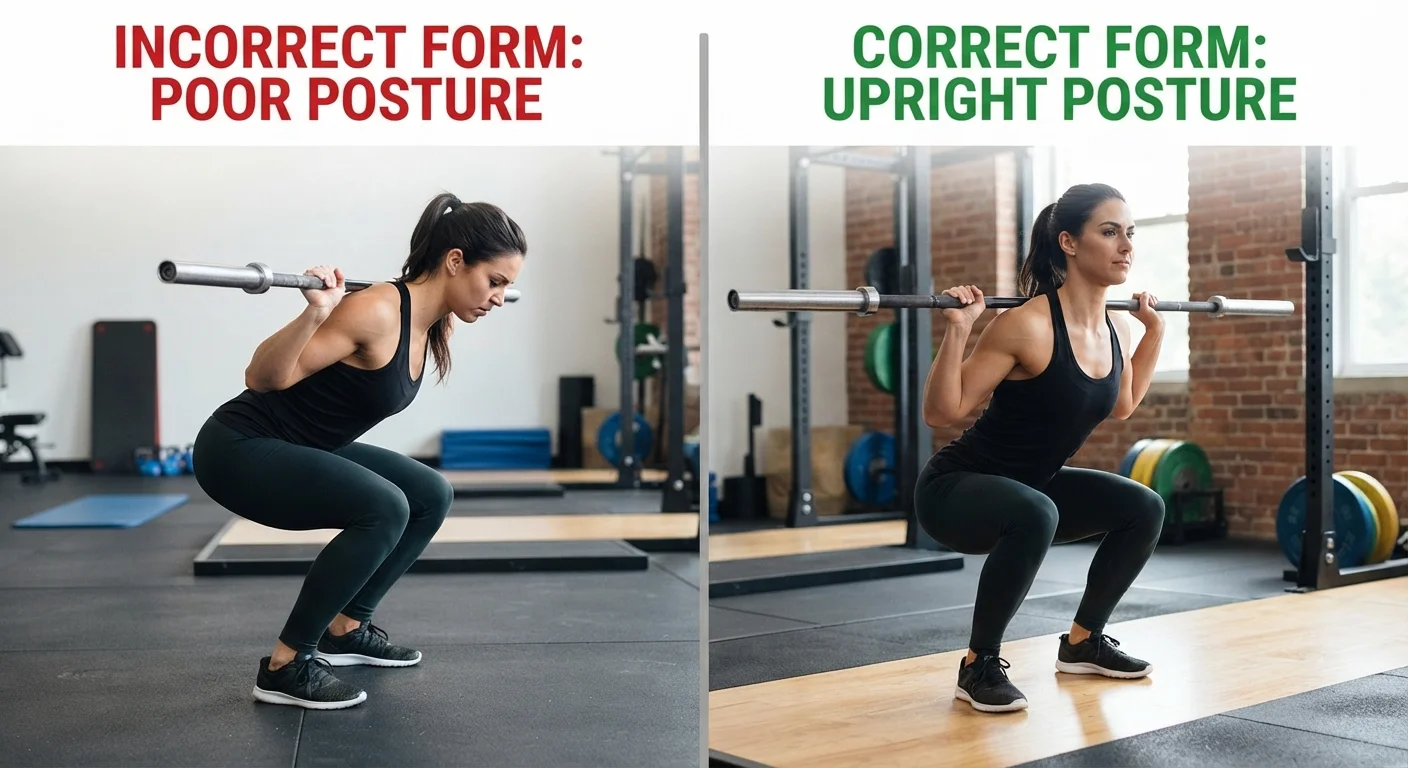
Be aware that poor technique and skipped recovery can quietly undermine even well-intentioned routines. The complement to myth-busting is good fundamentals: common missteps like skipping the warm-up or ignoring form deserve attention once you've cleared the myth layer. And if you're curious about what happens physiologically when you stick to only one exercise mode, single-modality training research offers useful perspective.
This article is for general informational and educational purposes only and is not a substitute for personalized medical or fitness advice. Consult a qualified healthcare provider before beginning a new exercise program, especially if you have a chronic health condition, injury, or other medical concern.