A practical checklist covering health considerations, gear, goals, and safety steps to review before you lace up and get moving.
Key Takeaways
Clearing a few health and safety checks before starting can prevent early injuries and setbacks.
Having the right gear, a realistic schedule, and a clear goal dramatically improves follow-through.
People with chronic conditions or long periods of inactivity should consult a healthcare provider first.
Starting with a baseline — like current fitness level or body measurements — helps you track real progress.
Choosing the right type of exercise for your goals and lifestyle increases the chance you'll stick with it.
Why a Pre-Start Checklist Matters
Starting a new exercise routine is one of the most positive steps you can take for your long-term health. But jumping in without preparation — wrong footwear, no clear goal, an unaddressed health condition — is one of the most common reasons people quit within the first few weeks or get hurt trying.
This checklist is designed to help any adult, at any fitness level, cover the essential bases before the first workout. Think of it as a quick audit: health considerations, equipment, scheduling, and goal-setting all in one place. Working through it takes less than an hour and can save you from weeks of frustration down the road.
Once you've cleared this checklist, you'll be ready to explore different workout types — from cardio and strength training to flexibility work — and choose what fits your life best.
This article is for general informational purposes only and is not a substitute for medical advice. Always consult a qualified healthcare professional before beginning a new exercise program, especially if you have existing health conditions.
What You'll Need
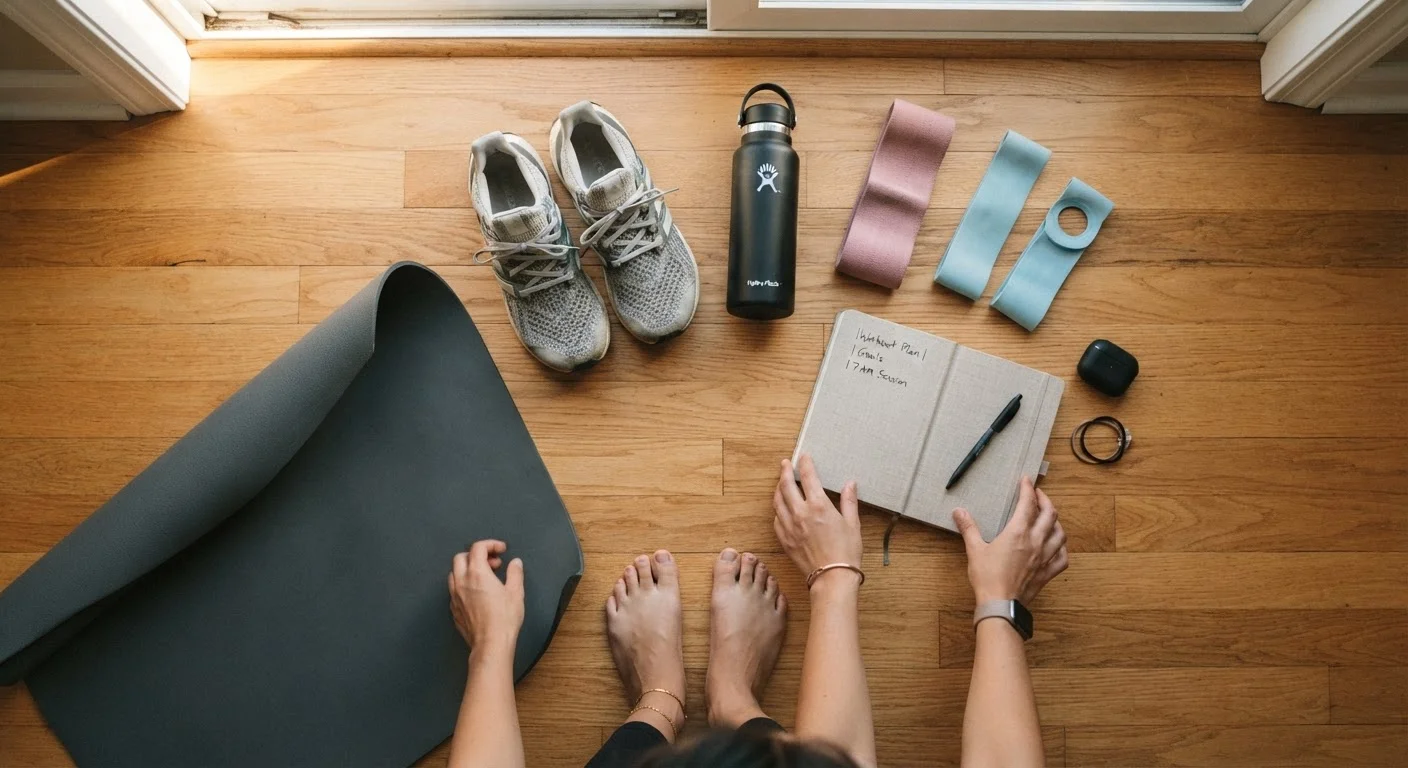
Before reviewing the checklist items, gather or confirm access to the tools below. You don't need everything on day one — but knowing what's required versus optional helps you plan without overspending.
Required
Supportive Footwear
Activity-appropriate shoes reduce impact stress on joints and help prevent common overuse injuries.
Required
Water Bottle
Staying hydrated before, during, and after exercise supports performance and recovery.
Required
PAR-Q Form
This free self-screening questionnaire helps identify health factors that may require medical clearance before exercise.
Optional
Workout Log or Fitness App
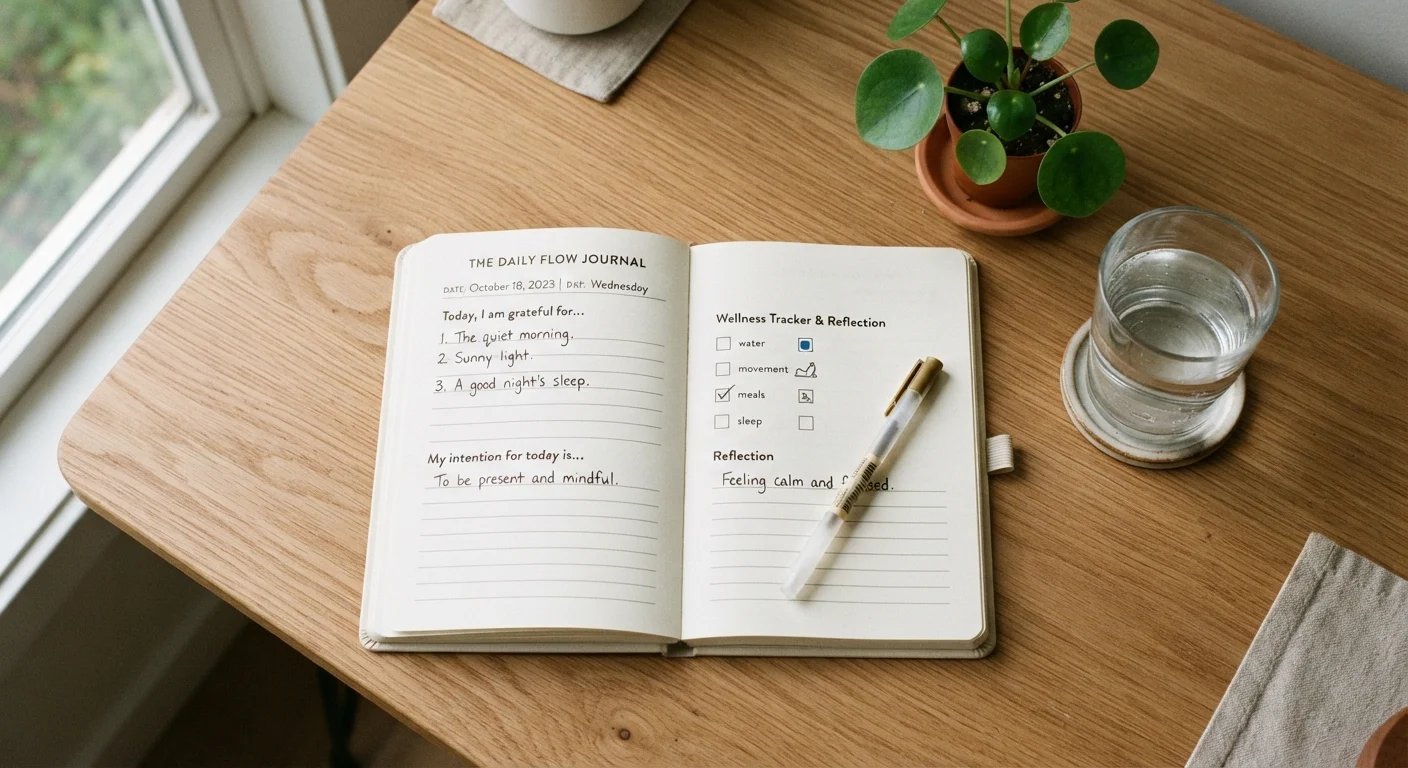
Tracking sessions and progress helps you stay consistent and recognize improvement over time.
Optional
Exercise Mat
Provides cushioning and grip for floor-based exercises, stretching, and bodyweight movements.
Optional
Resistance Bands
Versatile, low-cost tools that support strength training at home without the need for weights or machines.
The Pre-Start Checklist
Work through each group below. Check off items you've confirmed, and flag anything that needs follow-up before your first session. Pay particular attention to the health screening section — skipping it is the most common and consequential mistake new exercisers make.
Health Screening
Schedule a check-in with your primary care provider if you have a chronic condition (heart disease, diabetes, hypertension, joint issues), haven't been active in over a year, or are over 45 and starting vigorous exercise.Must
Complete a PAR-Q (Physical Activity Readiness Questionnaire), a free, widely available self-screening tool that flags symptoms warranting medical clearance before exercise.Must
Review any medications you take that may affect exercise response — such as beta-blockers, diuretics, or blood sugar medications — with your prescribing provider.Must
Note any current pain, injury, or mobility limitation so you can select activities and intensity levels that work around them safely.Must
Confirm your routine preventive screenings are up to date, especially if you're in a higher-risk age group. See recommended screenings by age for reference.Should
Goal Setting
Write down one primary goal — such as improving cardiovascular endurance, building strength, reducing stress, or increasing daily energy — so your workout choices align with a clear purpose.Must
Set a realistic short-term milestone for the first four to six weeks that is specific and measurable, such as completing three 20-minute walks per week.Must
Establish a baseline by recording current fitness markers — resting heart rate, how many push-ups you can do, or how far you can walk comfortably — so you have a starting point for comparison.Should
Identify your primary motivation (health, stress relief, weight management, social activity) to help you choose the exercise format most likely to hold your interest.Should
Scheduling & Commitment
Block specific days and times for exercise in your calendar as recurring appointments, treating them with the same priority as work meetings.Must
Confirm you have at least two to three realistic time slots per week for movement, even if they are only 20–30 minutes.Must
Identify a backup plan for days when your primary schedule is disrupted — a shorter workout, a walk, or a home session — so one missed day doesn't derail the habit.Should
Consider whether a workout partner, class schedule, or accountability app would improve your follow-through.Nice to have
Gear & Environment
Select footwear appropriate for your intended activity — running shoes for running, cross-trainers for gym work — and confirm they fit well and are in good condition.Must
Prepare a reliable water bottle and plan to hydrate before, during, and after exercise.Must
Identify and prepare your workout space — whether a gym, a local park, a home room, or a sidewalk route — so there's no friction on day one.Must
Gather any minimal equipment your chosen activity requires — resistance bands, a mat, or a jump rope — and confirm everything is functional before your first session.Should
Download a fitness tracking app or prepare a simple workout log to record sessions and progress from the start.Nice to have
Safety & Warm-Up Planning
Plan a 5–10 minute warm-up for every session — light movement like marching in place, arm circles, or a slow walk — to gradually raise heart rate and reduce injury risk.Must
Learn the warning signs that mean you should stop exercising immediately: chest pain, severe shortness of breath, dizziness, unusual pain, or heart palpitations.Must
Start at a lower intensity than you think you need, particularly in week one, to allow your muscles, joints, and cardiovascular system to adapt without overload.Must
If you want to pair this checklist with a broader look at your daily habits, the Daily Routine Audit checklist helps you evaluate sleep, nutrition, and stress patterns that directly affect how your body responds to new physical demands.
Setting Yourself Up for the Long Haul
Completing this checklist isn't just a one-time task — it's the foundation of a smarter approach to fitness. Knowing your baseline matters enormously. Before you set specific targets, consider reviewing which body composition metrics are worth tracking so your goals are grounded in real data rather than guesswork.
As your routine evolves, periodic self-assessment becomes equally important. A weekly movement audit can help you recognize when your routine needs adjustment before frustration or plateaus set in.
And if managing physical stress alongside mental wellness is a priority, it's worth noting that preparation habits apply to other practices too — much like the readiness steps covered in this meditation readiness checklist.
The goal isn't perfection — it's readiness. Work through the list, address what you can, and take that first step with confidence.
Fitness & Movement Editorial Team is the collective byline for our editorial team and contributor network. Articles published under this byline or an editorial pen name are researched, written, and reviewed according to our editorial standards for clarity, consistency, and independence before publication.
The content on this site is for informational purposes only and is not a substitute for professional advice. Always consult a qualified professional for guidance specific to your situation.