
What Weight Management Actually Means
Weight management is frequently misunderstood as synonymous with weight loss — but the two concepts are not the same. Weight management refers to the ongoing process of reaching and maintaining a body weight that supports overall health, and that goal looks different for every person depending on their physiology, health history, and individual circumstances.
Crucially, it is not about achieving a specific number on the scale or conforming to an aesthetic ideal. The scientific and clinical focus is on metabolic health markers — blood glucose regulation, cardiovascular risk factors, joint health, and energy — rather than on appearance alone.
For anyone new to this topic, the most important reframe is this: sustainable weight management is a behavioral and physiological process, not a temporary intervention. It requires understanding how your body works, not willpower alone. Our guide to preventive health daily habits is a useful companion if you're building from the ground up.
Energy balance
The relationship between the calories your body takes in from food and drink and the calories it uses for all functions — from breathing to exercise. A sustained surplus leads to weight gain; a sustained deficit leads to weight loss.
Basal metabolic rate (BMR)
The number of calories your body burns at rest just to keep basic systems running — heartbeat, breathing, cell repair. It accounts for the majority of total daily energy expenditure for most people.
Body composition
The proportion of your body made up of fat tissue versus lean tissue (muscle, bone, water, organs). Two people can weigh the same but have very different health profiles based on their composition.
Ghrelin and leptin
Hormones that regulate hunger and fullness. Ghrelin signals hunger; leptin signals satiety. Sleep deprivation and chronic stress can disrupt the balance of these hormones, making appetite harder to regulate.
Cortisol
A hormone released in response to stress. Chronically elevated cortisol is linked to increased appetite and preferential fat storage around the abdomen.
Progressive overload
A principle in resistance training where you gradually increase the demand placed on muscles over time. It helps build and preserve lean muscle, which supports metabolic health.
The Core Science Behind Body Weight
Three foundational concepts explain most of what drives body weight: energy balance, metabolism, and body composition. Understanding them removes a lot of the confusion created by conflicting diet advice.
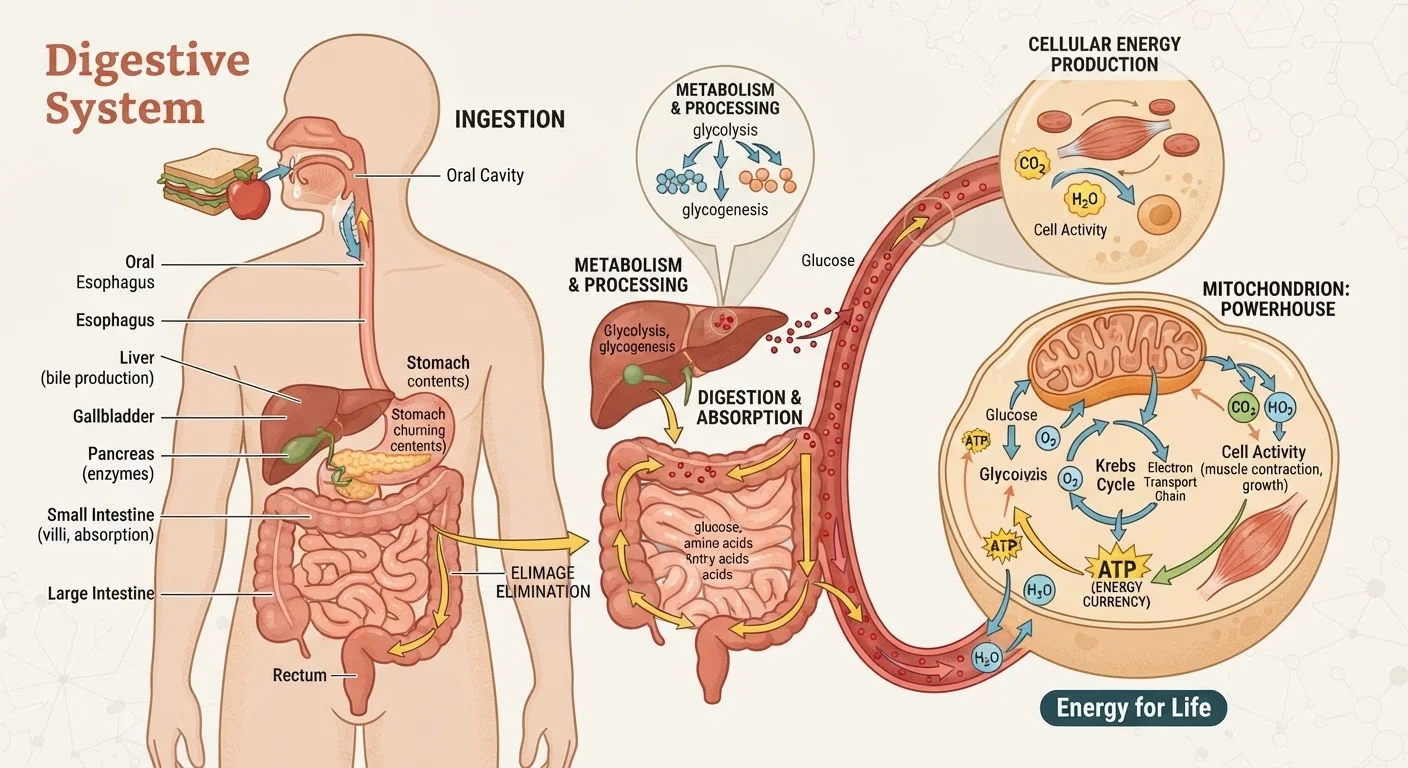
Energy balance describes the relationship between calories consumed through food and beverages and calories expended through basal metabolic function, physical activity, and the energy cost of digesting food. When intake consistently exceeds expenditure over time, the body stores excess energy primarily as fat tissue. The reverse is also broadly true — though the relationship is not perfectly linear in every individual.
Metabolism is not a single switch you can simply speed up. It encompasses hundreds of biochemical processes, and its rate is influenced by factors including muscle mass, age, hormonal status, sleep, and genetics. For a deeper look, our beginner's guide to metabolism walks through the key mechanisms clearly.
Body composition — the ratio of lean tissue (muscle, bone, organs) to fat tissue — matters as much as total weight. Two people at the same weight can have very different health profiles. If you want to track this practically, our guide to body composition tracking covers the basics.
Sustainable Habits That Make a Real Difference
Research consistently shows that small, consistent behavioral changes outperform aggressive short-term interventions when it comes to lasting weight management. Here are the evidence-supported pillars:
- Eating patterns: Rather than eliminating food groups, evidence favors dietary patterns rich in vegetables, legumes, lean proteins, whole grains, and unsaturated fats. Explore healthy eating habits for practical strategies on building sustainable patterns.
- Regular movement: Both aerobic activity and resistance training contribute meaningfully. Resistance training in particular helps preserve lean muscle mass, which supports metabolic rate. If you're starting from zero, see our guide to building an active lifestyle from scratch.
- Sleep quality: Poor sleep disrupts hormones that regulate hunger and satiety — specifically ghrelin and leptin — which can increase appetite and reduce impulse control. Consistently getting adequate sleep is a legitimate weight management tool.
- Stress management: Elevated cortisol, the body's primary stress hormone, is associated with increased fat storage, particularly around the abdomen. Our hub on stress and anxiety covers practical management strategies.
Start With One Habit at a Time
Trying to overhaul sleep, diet, exercise, and stress management simultaneously is a common reason people burn out early. Research on behavior change suggests that focusing on one habit until it feels automatic — then layering in the next — leads to far better long-term adherence. Pick the single change most manageable for your current life and build from there.
Common Pitfalls to Avoid Early On
Beginning a weight management effort without awareness of common missteps can lead to frustration or, in some cases, harm. The following patterns are well-documented in behavioral and nutritional research:
- Setting unrealistic timelines: Expecting rapid results in days or weeks creates a cycle of disappointment and abandonment. Durable change occurs over months, not days.
- Relying on extreme restriction: Very low calorie approaches often produce short-term weight loss followed by metabolic adaptation and rebound weight gain. They can also create nutritional deficiencies and, in vulnerable individuals, contribute to disordered eating patterns.
- Treating exercise as punishment: Framing movement as something to earn or compensate for food choices undermines intrinsic motivation. Movement is most sustainable when it's treated as a health behavior rather than a penalty.
- Ignoring recovery: Physical and mental recovery are not optional extras — they're part of the process. Our guide to recovery strategies for everyday people explains how rest supports your goals.
When to Talk to a Healthcare Professional
General health information — including this article — is not a substitute for personalized medical guidance. Weight is influenced by a wide range of factors, some of which require clinical evaluation: hormonal conditions such as hypothyroidism or polycystic ovary syndrome (PCOS), medications that affect body weight, insulin resistance, and others.
You should consult a qualified healthcare provider before making significant changes to your diet or exercise habits if you have an existing medical condition, take prescription medications, are pregnant or breastfeeding, are under 18 or over 65, or have a history of disordered eating. A provider can also help distinguish between weight changes that reflect normal variation and those that warrant further investigation.
Working with a registered dietitian nutritionist (RDN) is another valuable step. RDNs are trained to translate nutrition science into individualized, evidence-based eating guidance — which is meaningfully different from generic advice online.
This article is for general informational and educational purposes only and does not constitute medical advice. Always consult a qualified healthcare professional before making changes that affect your health.