
What Plyometric Training Actually Is
Plyometric training — sometimes called "jump training" or "plyos" — refers to exercises that require muscles to exert maximum force in short intervals of time. The goal is to increase both speed and power simultaneously.
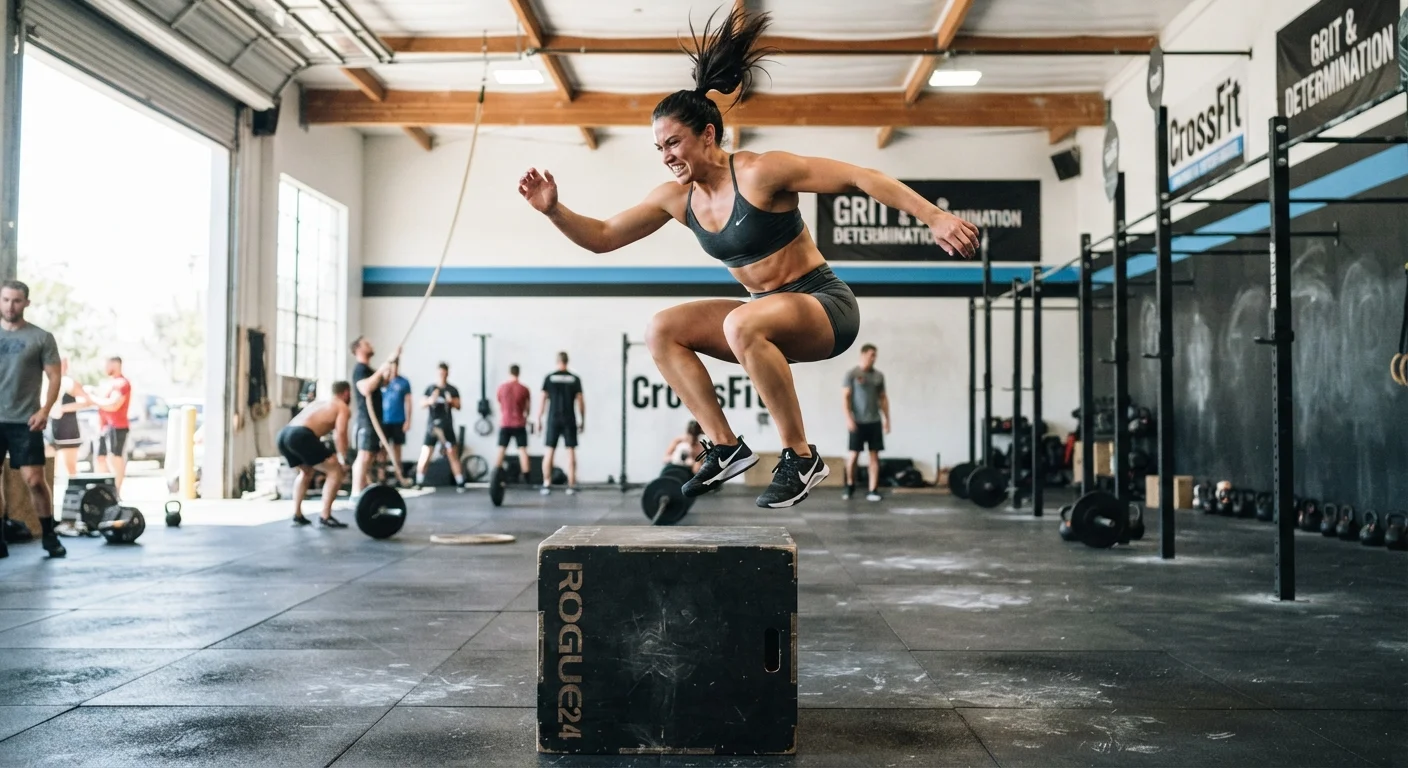
The mechanics rely on the stretch-shortening cycle (SSC): a rapid sequence in which a muscle lengthens (eccentric phase) immediately before it contracts (concentric phase). Think of it like loading a spring. When executed quickly, this pre-stretch stores elastic energy that the muscle then releases explosively. Box jumps, depth jumps, lateral bounds, and clap push-ups all use this principle.
Plyometrics is distinct from general cardio or strength training. It sits at the intersection of both — building neuromuscular efficiency in a way that traditional weightlifting or steady-state cardio alone does not. For readers who already explore functional fitness training, plyometrics can serve as a natural complement, layering explosive capacity on top of practical movement patterns.
The Advantages: Why Athletes and Active Adults Use It
Plyometric training has earned a firm place in sports conditioning and general fitness programming for several well-supported reasons.
Develops explosive power efficiently
By training the stretch-shortening cycle, plyometrics improves the rate of force development — the speed at which muscles can generate power. This is a quality that traditional strength training alone addresses less directly.
Improves athletic speed and agility
Sprint speed, change-of-direction ability, and vertical jump height all correlate with plyometric training volume. Research in sports science consistently links plyometric programs to measurable improvements in these metrics.
Enhances neuromuscular coordination
Plyometrics trains the nervous system to recruit muscle fibers faster and more efficiently. This neurological adaptation benefits everyday movement and sport performance alike.
Can be performed with minimal equipment
Many plyometric drills — bounds, jump squats, skater hops — require only a safe surface and enough space to move. A plyometric box is useful but not always necessary to begin.
Time-efficient intensity
Because plyometrics demands maximal effort in short bursts, sessions can be relatively brief while still creating a significant training stimulus for both the muscular and cardiovascular systems.
~8%
Average vertical jump improvement from plyometric programs
A meta-analysis published in the Journal of Strength and Conditioning Research found plyometric training produced meaningful vertical jump gains across multiple athlete populations.
6–10 weeks
Typical timeframe to observe initial power gains
Exercise science literature generally identifies neuromuscular adaptations from plyometric training beginning within six to ten weeks of structured, progressive programming.
Beyond athletic performance, research suggests plyometric training may contribute to improved bone density and tendon resilience over time — outcomes that matter across age groups, not just competitive athletes.
The Disadvantages: Real Risks Worth Understanding
Plyometrics is not a universally appropriate starting point. Its intensity creates a specific set of challenges that readers should weigh honestly before starting a program.
High injury risk without proper technique
Plyometrics places substantial stress on joints, tendons, and connective tissue. Improper landing mechanics or premature volume increases are common causes of acute and overuse injuries.
Requires a pre-existing strength foundation
Without adequate muscular strength to absorb impact forces, the loads generated during plyometric exercises can exceed what joints and tendons are prepared to handle safely.
Not appropriate for all fitness levels
Beginners, sedentary individuals, and those with certain health conditions may find that plyometrics carries more risk than benefit until foundational fitness is established.
Recovery demands are significant
The neuromuscular fatigue from plyometric sessions can be substantial. Insufficient recovery between sessions increases injury risk and can impair performance gains over time.
Technique is difficult to self-monitor
Movement errors during explosive actions happen quickly and are hard to self-correct without external feedback. Without instruction or video review, poor mechanics can become ingrained habits.
Progression Matters as Much as the Exercises
Plyometric volume is often measured in foot contacts — the number of times feet strike the ground per session. Beginners are typically advised to start with low volumes (around 80–100 contacts per session) and simple drills before progressing to more complex or higher-intensity movements. Rushing this progression is a common driver of overuse injuries. A certified strength and conditioning specialist (CSCS) can help design an appropriate entry point.
Poor landing mechanics — knees caving inward, heels striking first, or collapsing through the hips — significantly increase injury risk at the ankle, knee, and hip. These technique errors are common in beginners and underscore why supervised instruction is valuable at the outset.
Who Should Approach Plyometrics Carefully
Exercise science professionals generally recommend a baseline of muscular strength before beginning plyometric work. A commonly cited benchmark is the ability to squat or leg press approximately 1.5 times body weight, though this varies by program and practitioner guidance.
The following populations should consult a qualified healthcare provider or certified exercise professional before starting:
- Individuals with joint pain or injury history — particularly knees, ankles, or hips
- Older adults — who may have reduced bone density or slower recovery capacity
- People who are new to structured exercise — without a strength foundation, the loading demands are disproportionate
- Those with cardiovascular conditions — the intensity spikes associated with plyos require medical clearance
- Pregnant individuals or those recently postpartum — high-impact training carries specific considerations that require professional guidance
This is general health information, not personal medical advice. If you have any doubt about your physical readiness, speaking with a physician or certified fitness professional is the appropriate first step.
This article is for informational purposes only and does not constitute medical advice. Always consult a qualified healthcare professional before beginning a new exercise program, particularly if you have an existing health condition or injury history.