
Defining the Terms: What Counts as Short or Long Sleep?
In sleep research, short sleep is generally defined as regularly obtaining fewer than 7 hours of sleep per night. Long sleep refers to consistently exceeding 9 hours. These thresholds align with the American Academy of Sleep Medicine and the Sleep Research Society's joint consensus recommendation that adults aged 18–60 sleep at least 7 hours nightly for optimal health.
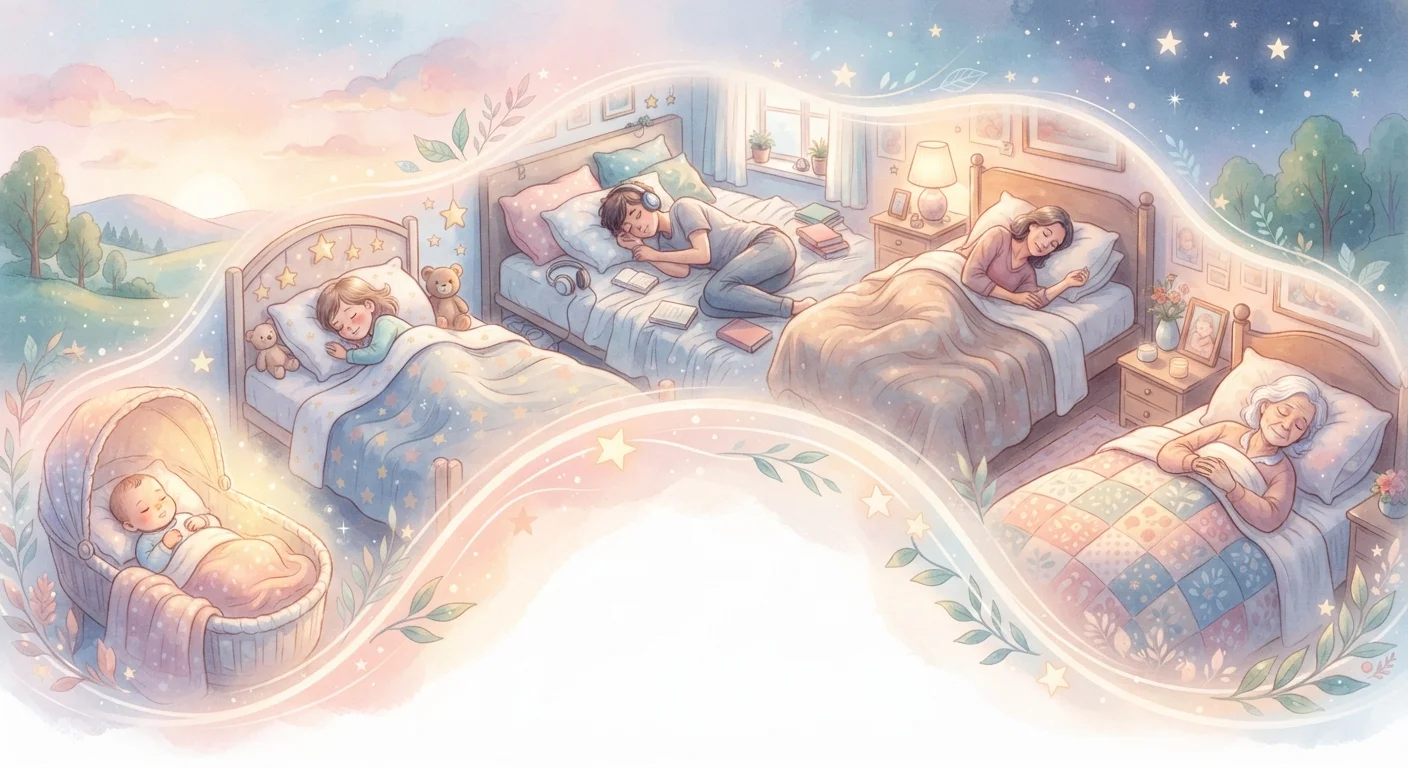
It's important to note that these categories describe habitual patterns — not the occasional late night or weekend lie-in. A single night of 5 hours won't define your health trajectory; chronic patterns over weeks, months, or years are what the research examines. For a broader view of how needs shift across life stages, see how sleep requirements change with age.
| Criterion | Short Sleep (Under 7 hrs) | Long Sleep (Over 9 hrs) |
|---|---|---|
| Recommended for healthy adults? | No — below clinical guidance | No — exceeds typical adult need |
| Cognitive impact | Cumulative deficits in memory and attention | Often reflects existing impairment, not cause |
| Metabolic effects | Altered glucose and appetite hormones | Associated with sedentary lifestyle factors |
| Main research concern | Direct physiological and cognitive harm | Reverse causation from underlying illness |
| When it may be appropriate | Never as a chronic baseline | Recovery, illness, or intense training periods |
| Quality vs. duration trade-off | Less room for poor quality | May mask poor quality with extra hours |
What Research Links to Short Sleep
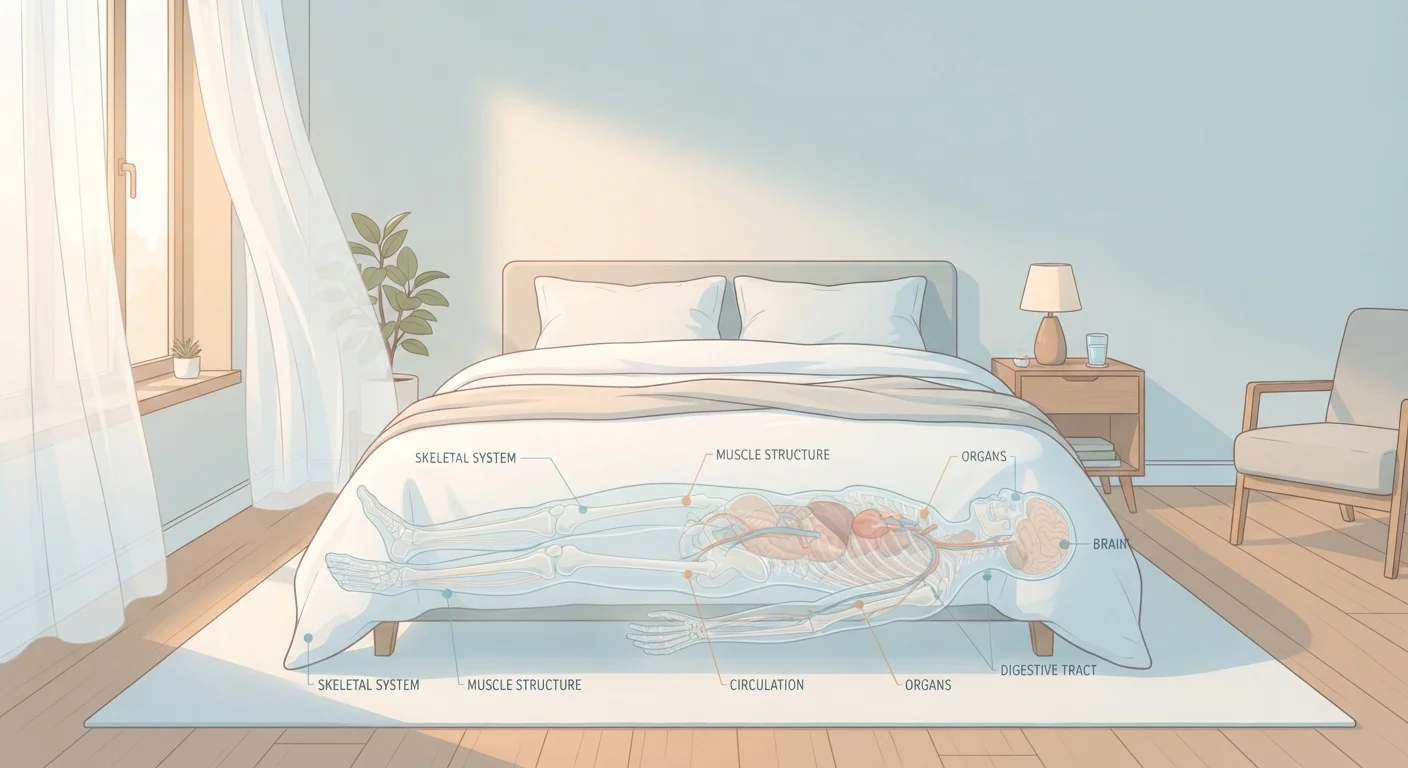
Studies consistently associate habitual short sleep with a range of physiological and cognitive effects. Research published in peer-reviewed journals has linked sleeping under 7 hours to increased markers of inflammation, reduced glucose tolerance, and altered appetite-regulating hormones — specifically elevated ghrelin and suppressed leptin — which may contribute to increased caloric intake. Sleep's role in body composition is an area of growing scientific interest for exactly this reason.
Cognitively, even modest sleep restriction accumulates measurable deficits in reaction time, working memory, and emotional regulation — often without the individual recognizing the impairment. One frequently cited finding is that people sleeping 6 hours per night for two weeks show performance decrements equivalent to 24 hours of total sleep deprivation, yet report feeling only slightly sleepy.
Epidemiological data also links short sleep to elevated cardiovascular risk, though it is difficult to fully separate sleep duration from the lifestyle and health conditions that often accompany it. Causality in this area is still being studied.
1 in 3
U.S. adults not getting enough sleep
CDC surveillance data consistently finds that approximately one-third of American adults report sleeping fewer than 7 hours on a typical night.
~14 days
Time for 6-hr sleep deficits to match 24-hr deprivation
Research by Van Dongen and colleagues found that two weeks of 6-hour sleep produced cognitive impairment equivalent to total sleep deprivation, while subjects felt only mildly sleepy.
3%
Estimated prevalence of true genetic short sleepers
Researchers estimate that fewer than 3% of people carry gene variants enabling full function on under 6 hours — making self-reported "short sleepers" far less common than believed.
What Research Says About Long Sleep
The picture for long sleep is more complex. Large observational studies do find associations between sleeping 9 or more hours and increased mortality risk — but this relationship is widely understood to reflect reverse causation. In other words, people who sleep long often do so because of underlying illness, depression, chronic pain, or sedentary behavior — not because long sleep itself causes harm.
That said, context matters. During recovery from illness, intense athletic training, or accumulated sleep debt, extended sleep serves a genuine restorative function. The body uses deep slow-wave sleep for tissue repair and immune regulation, and deliberately extending sleep during recovery periods is generally supported by sleep science.
Where long sleep becomes a concern is when it is habitual and paired with persistent fatigue — a pattern that often points to poor sleep quality rather than sufficient rest. Feeling tired despite adequate time in bed is a common experience worth investigating with a qualified clinician.
Duration, Quality, and the Bigger Picture
Sleep duration is only one dimension of restorative sleep. Sleep architecture — the cycling through light, deep, and REM stages — determines how well those hours actually restore the brain and body. Someone sleeping 7.5 hours with frequent interruptions may emerge less recovered than someone sleeping 6.5 hours of consolidated, high-quality sleep, though neither scenario is ideal chronically.
Consistency of timing also plays a meaningful role. Irregular sleep schedules — even when total hours are nominally adequate — are associated with circadian disruption that affects mood, metabolism, and alertness. Many popular assumptions about sleep also don't hold up under scrutiny; common sleep myths worth reconsidering covers several of these in detail.
External factors compound duration's effects. Caffeine timing, for example, has a meaningful impact on sleep architecture even when it doesn't visibly delay sleep onset — understanding caffeine's long half-life can help readers make smarter choices about afternoon consumption.
This article provides general health information for educational purposes only and is not a substitute for professional medical advice, diagnosis, or treatment. If you have concerns about your sleep health, consult a qualified healthcare provider.