Why Body Composition Is About More Than the Scale
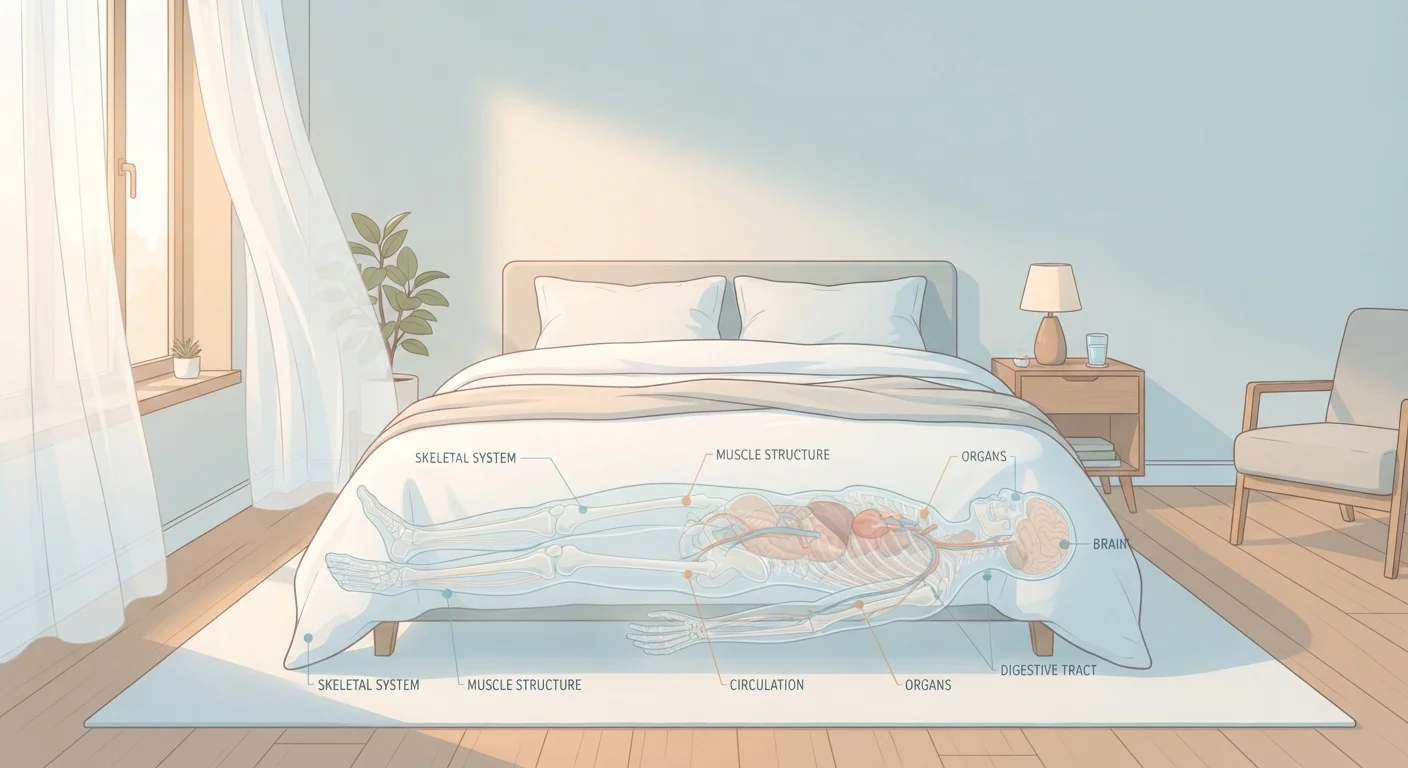
Weight tells you how much your body mass totals — it doesn't tell you what that mass is made of. Body composition distinguishes between fat tissue and lean tissue (muscle, bone, organs, and water), and this distinction carries real implications for metabolic health, physical function, and long-term disease risk.
Most people focus on diet and exercise as the levers for body composition. Sleep is rarely given equal attention, yet a growing body of research suggests it belongs in the same conversation. Sleep's influence on body weight extends beyond appetite — it reaches into the hormonal and cellular processes that govern how the body uses and stores different tissue types.
How Sleep Disruption Affects Fat Storage
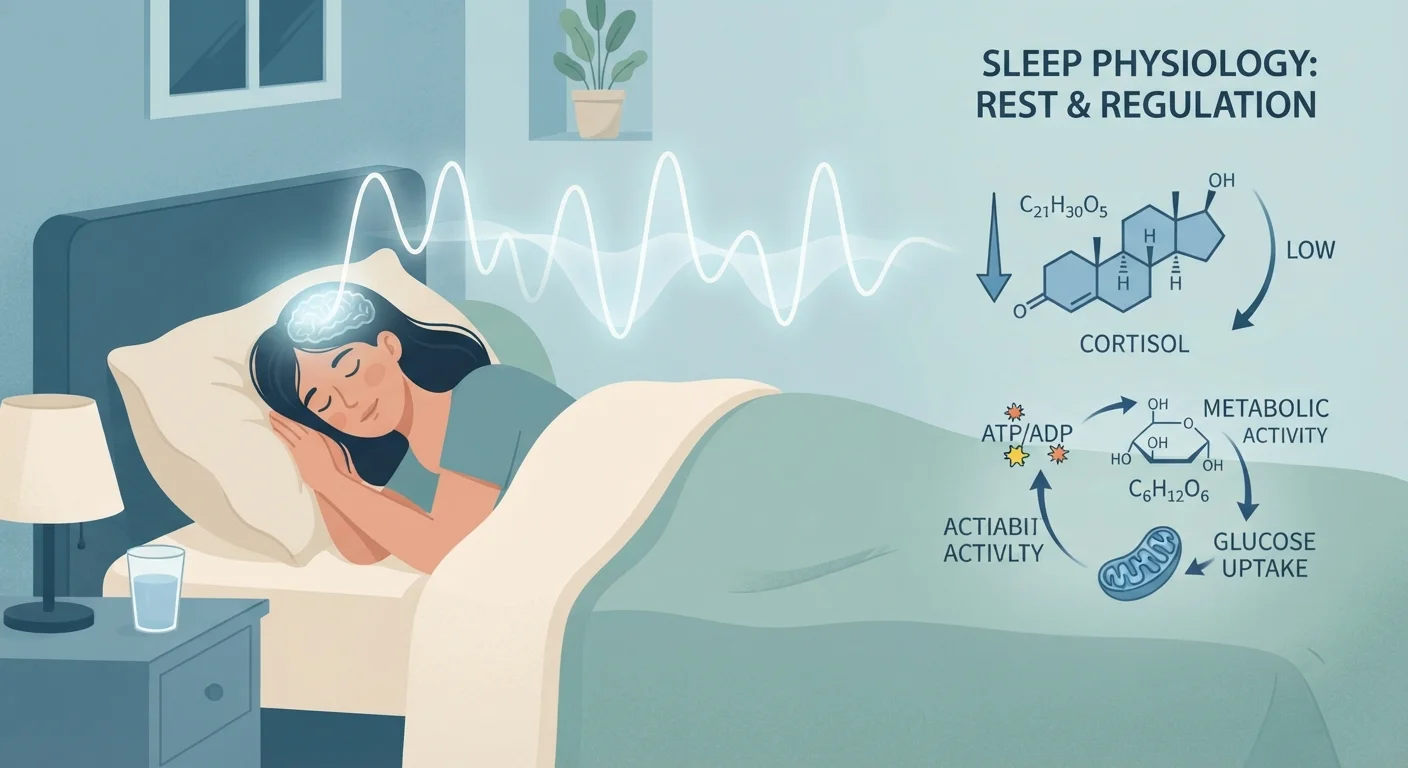
Several hormonal pathways connect sleep duration to fat metabolism. Cortisol — the body's primary stress hormone — follows a diurnal rhythm that is tightly coupled to sleep-wake cycles. When sleep is cut short or fragmented, cortisol levels can remain elevated into the morning and throughout the day. Chronically elevated cortisol promotes fat storage, particularly visceral fat deposited around the abdomen.
Insulin sensitivity also declines with inadequate sleep. Even a few nights of restricted sleep have been shown in controlled studies to impair how effectively cells respond to insulin, which can redirect energy toward fat storage rather than muscle fuel. This effect is relevant beyond people with metabolic conditions — it appears in otherwise healthy adults under experimental sleep restriction.
55%
More lean mass lost with sleep restriction during dieting
A study published in the Annals of Internal Medicine found that dieters sleeping 5.5 hours lost about 55% less fat and more lean mass compared to those sleeping 8.5 hours.
<6 hrs
Sleep duration linked to higher visceral fat risk
Multiple observational studies have associated sleeping fewer than six hours per night with significantly higher rates of abdominal obesity in adult populations.
~70%
Of daily growth hormone released during deep sleep
Research on growth hormone secretion patterns indicates the majority of daily release occurs during slow-wave sleep stages, underscoring sleep's role in tissue repair.
The interaction between sleep, stress, and metabolism is well-documented, and visceral fat accumulation sits at the intersection of all three.
Sleep and Lean Mass: The Growth Hormone Connection
Muscle maintenance depends on a balance between protein synthesis and breakdown. Growth hormone — a key driver of tissue repair and lean mass preservation — is released in pulses predominantly during slow-wave (deep) sleep. When sleep is shortened or its architecture is disturbed, this growth hormone secretion is blunted.
Research examining caloric restriction diets has found that sleep-deprived individuals lose a greater proportion of lean mass relative to fat mass compared to well-rested controls on the same caloric deficit. In practical terms, this means poor sleep during a weight-loss effort may work against the goal of preserving muscle. For context on the nutritional side of this equation, protein intake and muscle maintenance is also a well-studied area that interacts with sleep-dependent recovery.
What the Evidence Suggests — and Its Limits
The research base here is substantive. Multiple prospective cohort studies have associated short sleep duration (typically defined as fewer than six hours per night) with higher rates of obesity and unfavorable body composition over time. Shorter RCTs have shown measurable hormonal and metabolic changes within days of sleep restriction in controlled laboratory settings.
That said, causality is multidirectional. Poor body composition can itself impair sleep — obesity is a major risk factor for sleep apnea, and excess adipose tissue has inflammatory properties that may disrupt sleep architecture. Stress, physical activity patterns, and dietary habits all confound the picture. The systemic effects of sleep deprivation go well beyond body composition, which makes isolating individual mechanisms challenging in real-world populations.
Current evidence supports treating sleep as a genuine variable in body composition — not a magic lever, but a meaningful one that interacts with diet and exercise rather than operating independently of them.
Practical Considerations for Better Sleep and Body Composition
For most adults, consistent sleep of seven to nine hours per night appears to support healthier hormonal rhythms, better insulin sensitivity, and more favorable lean mass preservation. Sleep quality — uninterrupted, restorative cycles that include adequate deep sleep — matters alongside duration.
Exercise and sleep have a bidirectional relationship: regular physical activity generally improves sleep quality, and better sleep supports recovery from training. Managing chronic stress, maintaining consistent sleep and wake times, and addressing underlying sleep disorders (such as sleep apnea, which warrants clinical evaluation) are all relevant to this picture.
Anyone with concerns about persistent sleep difficulties, significant changes in body composition, or related metabolic symptoms should consult a qualified healthcare provider. This article provides general health information and is not a substitute for individualized medical guidance.
This article is for informational purposes only and does not constitute medical advice. Always consult a qualified healthcare professional for guidance specific to your health situation.