Why a Sleep Environment Audit Matters
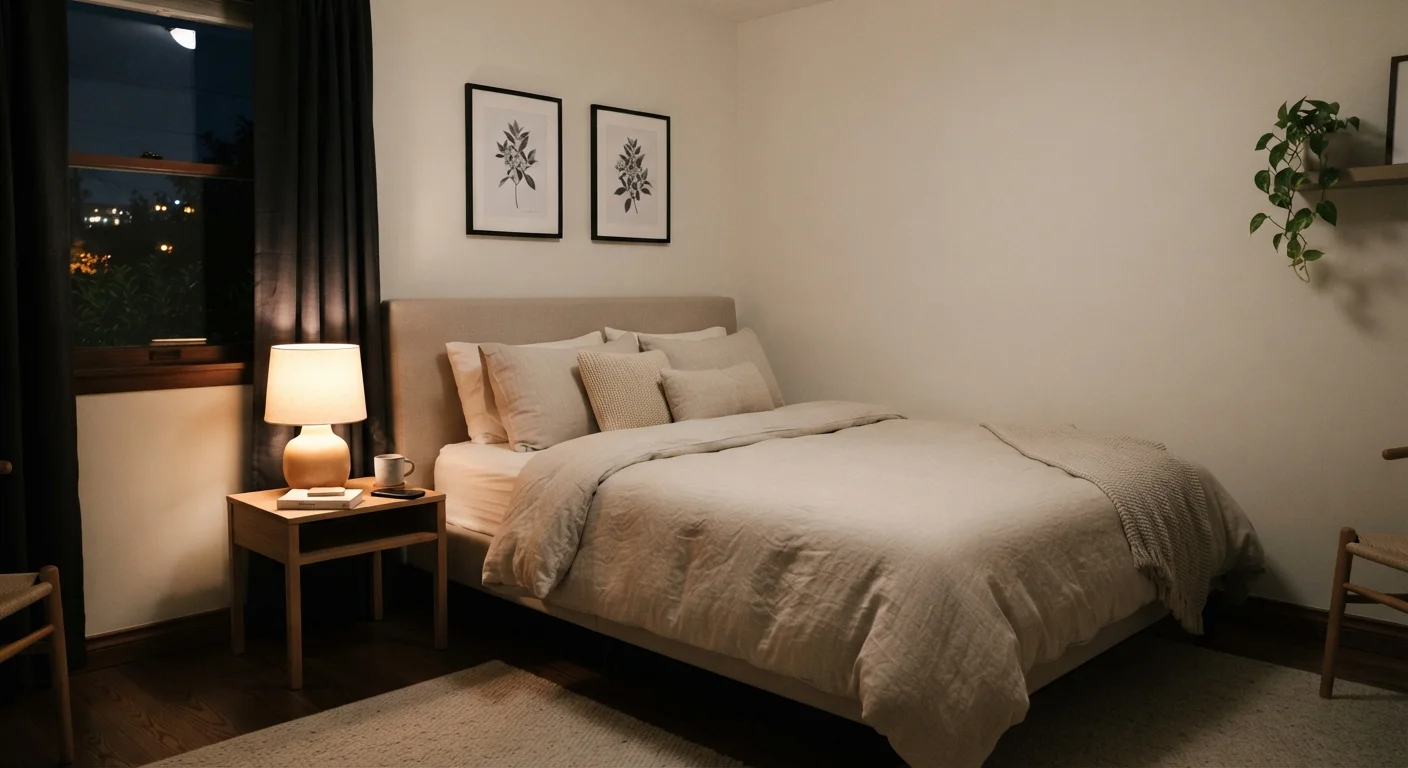
Most people focus on when they go to bed, but research consistently shows that where and how you sleep — the physical and behavioral conditions surrounding sleep — are equally important. According to established sleep science, your brain begins preparing for sleep well before your head hits the pillow, responding to environmental cues like dimming light, cooler temperatures, and reduced stimulation.
This checklist takes a room-by-room approach to help you systematically identify conditions that may be working against you. It covers your bedroom setup, your broader home environment in the evening hours, and the daily habits that accumulate throughout the day to influence nighttime rest. For a broader look at the behavioral factors behind good rest, see our evidence-based sleep hygiene guide.
Work through each section honestly. Flag any item that doesn't currently reflect your routine — those are your starting points for improvement.
Thermostat or Smart Home Controller
Set and maintain an optimal bedroom temperature range for sleep.
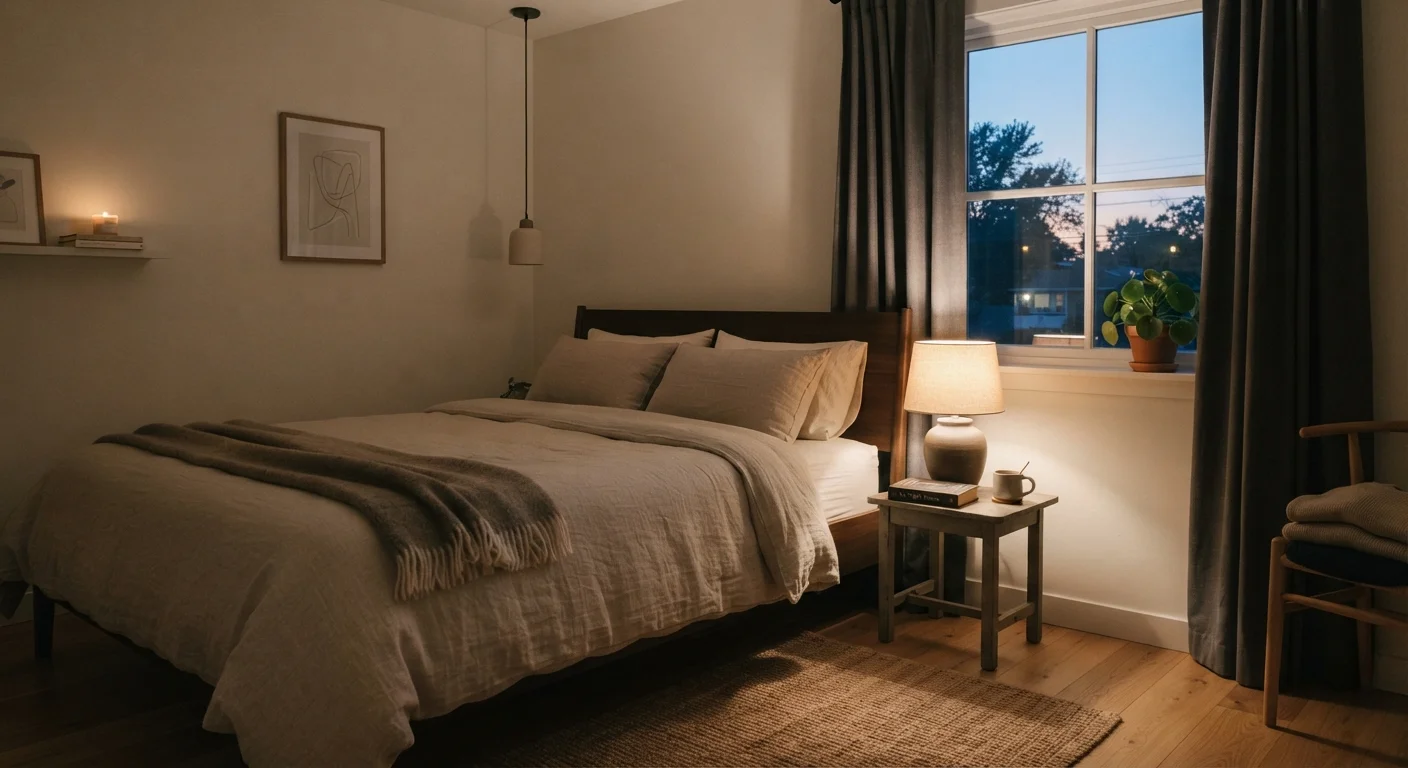
Blackout Curtains or Sleep Mask
Block external light to support melatonin production and uninterrupted sleep.
White Noise Machine or Fan
Mask irregular environmental sounds that may cause night waking.
Blue-Light Filtering App or Device Setting
Reduce blue-light exposure from screens during evening hours.
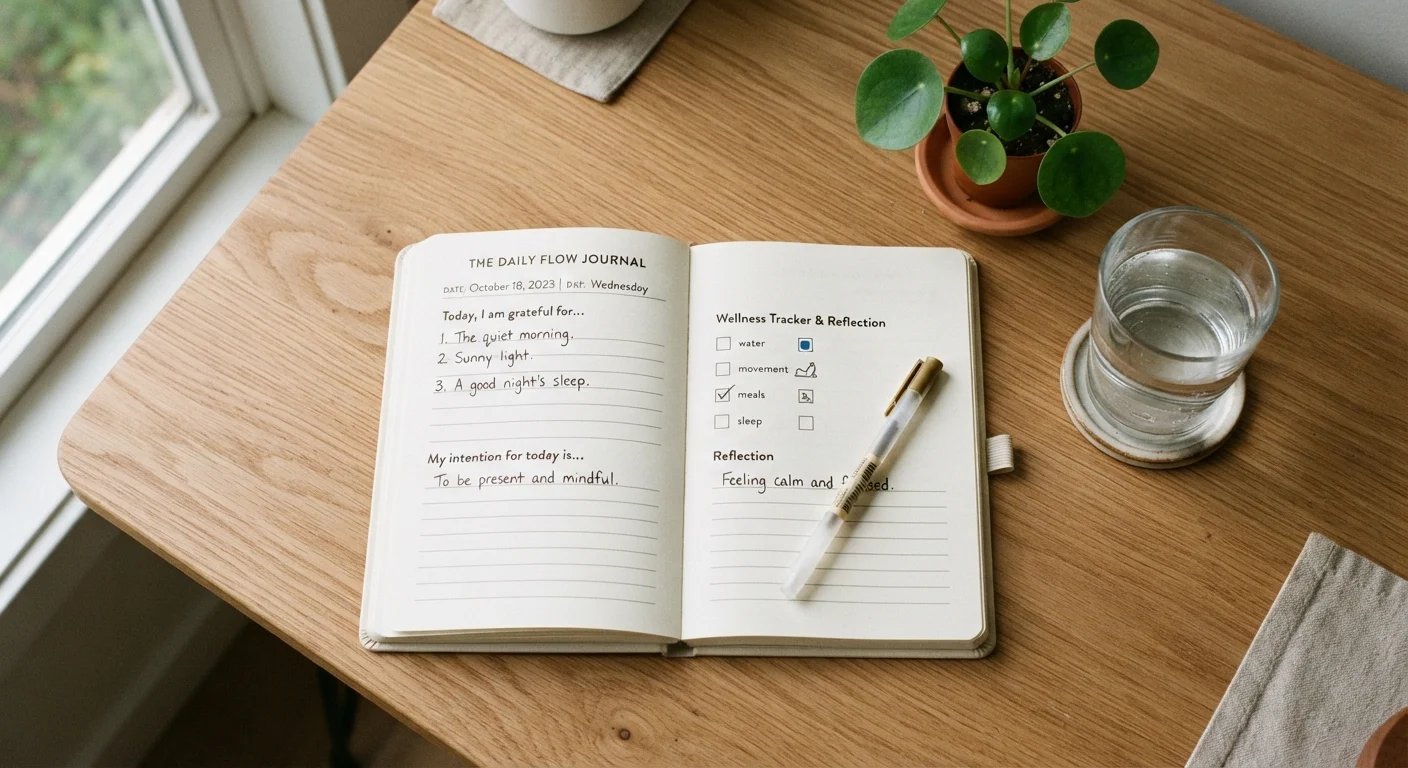
Sleep Diary or Journal
Track patterns in sleep timing, quality, and influencing factors over time.
How to Use This Checklist
This audit is designed to be completed in one sitting, ideally during daylight hours when you can inspect your bedroom and reflect on recent evenings without time pressure. You don't need to fix everything at once. Identify your highest-priority gaps first — particularly any must items you haven't addressed — then tackle optional enhancements gradually.
If your daily routines also need a broader review, the Daily Routine Audit checklist covers morning, midday, and evening habits that may be affecting your overall health. For stress patterns that spill into sleep, the weekly stress check-in framework is a useful companion tool.
Bedroom: Light Control
Bedroom: Temperature and Air Quality
Bedroom: Noise and Distraction
Evening Habits: Screens and Stimulation
Evening Habits: Food, Drink, and Substances
Daily Habits That Affect Nighttime Sleep
Don't Try to Fix Everything at Once
Attempting to overhaul your entire sleep environment and routine in a single night can itself become a source of stress, which is counterproductive to rest. Prioritize one or two high-impact changes — particularly any 'must' items you haven't addressed — and allow a week or two to assess the effect before layering in more adjustments. Sustainable improvement is gradual.
Turning Your Findings Into Action
After completing the audit, review the items you flagged. Group them into three buckets: things you can change tonight, things that require a small purchase or scheduling effort, and things worth discussing with a professional. Many of the most effective sleep changes — like adjusting your thermostat, removing a device from the bedroom, or shifting your caffeine cutoff earlier — cost nothing and can be implemented immediately.
For a deeper dive into your nightly habits specifically, the pre-bed routine audit focuses on the final 60 to 90 minutes before lights out. And if you want to track how sleep fits into your overall health picture, the daily health habits checklist offers a wider self-assessment lens.
If you experience persistent insomnia, frequent night waking, loud snoring, or excessive daytime sleepiness, these are signals worth bringing to a healthcare provider. The Sleep Disorders hub provides general information about common conditions and when professional evaluation is appropriate. Explore the Better Sleep Habits hub for additional practical routines you can build on over time.
This article is for general informational and educational purposes only and is not a substitute for professional medical advice, diagnosis, or treatment. Always consult a qualified healthcare provider with questions about your sleep or health.
When to Seek Professional Guidance
If you regularly struggle to fall asleep, stay asleep, or feel rested despite following good sleep hygiene practices, these may be signs of an underlying sleep disorder or health condition. Loud, frequent snoring combined with daytime fatigue can indicate obstructive sleep apnea, which requires clinical evaluation. Please consult a qualified healthcare provider rather than relying solely on self-management strategies.