
Why Auditing Your Pre-Bed Habits Matters
Most sleep problems don't begin the moment you close your eyes — they accumulate in the two to three hours before bed. The choices you make during that window, from what you eat and drink to how brightly your screens glow, shape your brain's readiness to enter and sustain deep sleep.
This checklist is designed as a practical evening audit rather than a rigid script. Work through it in whatever order fits your evening, and treat each item as a question to answer honestly: Did I do this tonight? Over time, consistent attention to these factors can help you identify which habits are working for your sleep and which are quietly working against it.
For a broader look at how your full daily routine affects nighttime rest, see our daily routine self-assessment checklist. And if you want to understand why certain evening habits are so disruptive, nighttime habits that quietly undermine your sleep offers clear, evidence-grounded explanations.
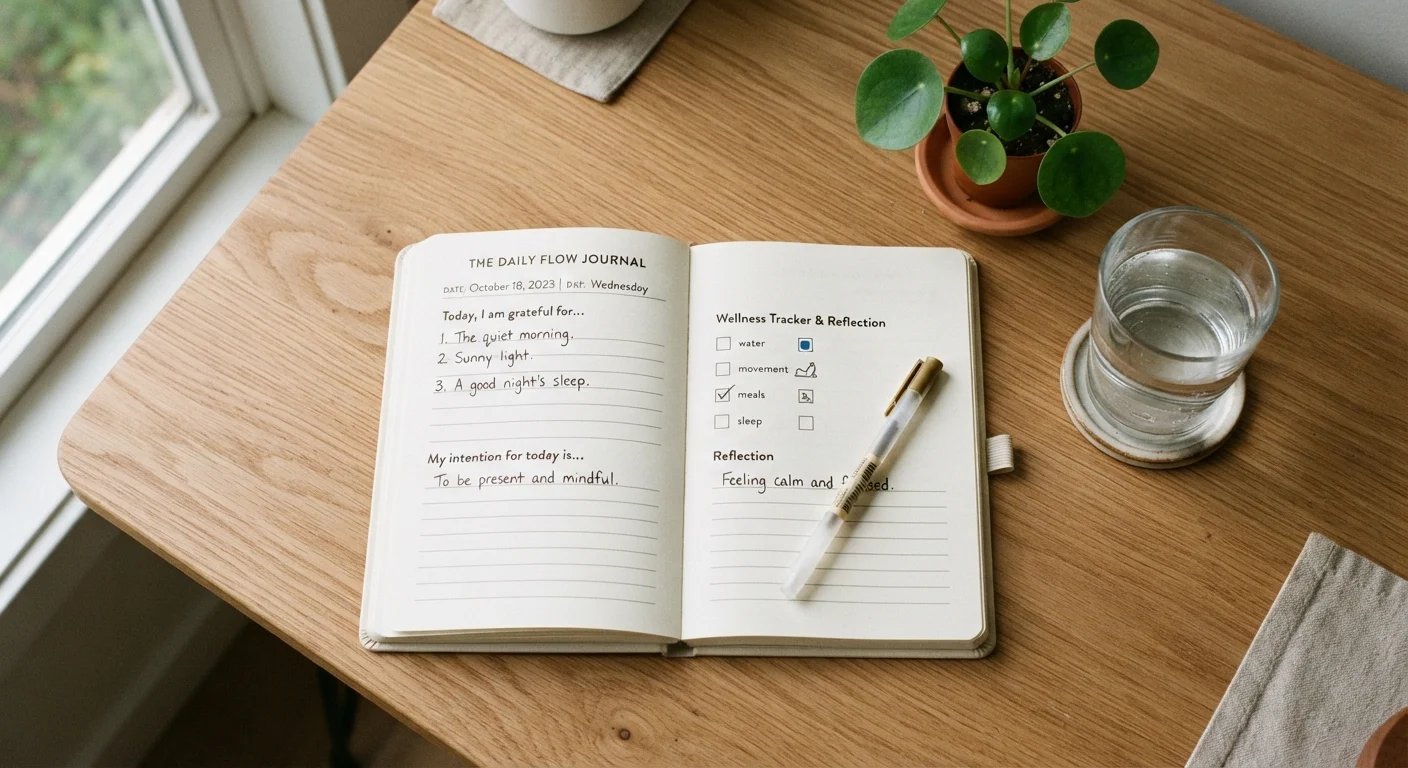
Notebook or Journal
Used for the worry-offload step — writing down tomorrow's tasks clears mental clutter before bed.
White Noise Machine or Fan
Masks disruptive ambient sounds that can delay sleep onset or cause nighttime waking.
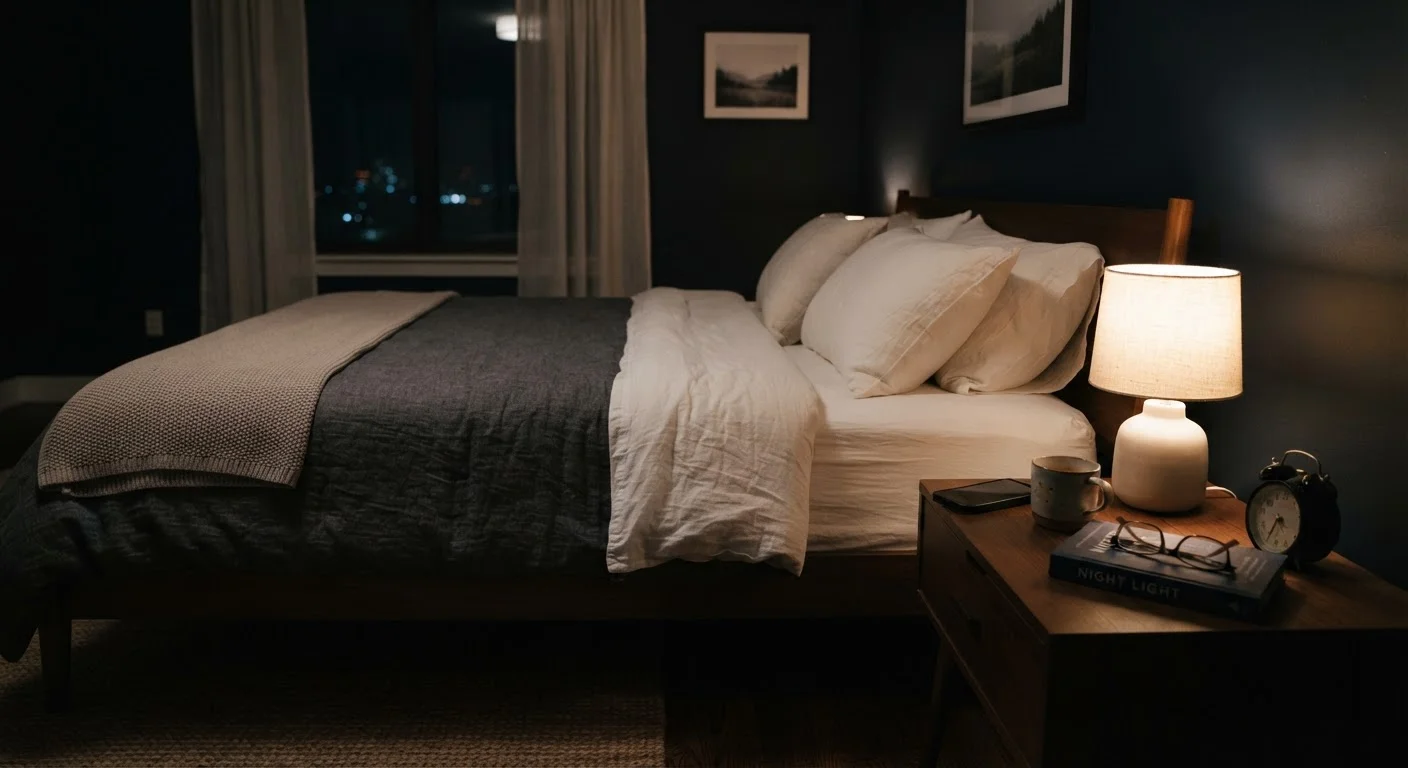
Blackout Curtains or Sleep Mask
Eliminates light intrusion that can suppress melatonin and interfere with sleep quality.
Analog Clock or Dedicated Alarm Clock
Allows you to keep your phone out of the bedroom, reducing screen temptation at bedtime.
How to Use This Checklist
Run through this audit nightly for at least one week to establish a baseline. Each group targets a distinct layer of sleep readiness: your physical environment, your sensory inputs, your body's chemistry, your mental state, and your scheduling consistency. Missing items in any one category can offset improvements in the others.
Environment Check
Screen and Light Exposure
Food, Drink, and Substances
Mental and Emotional State
Consistency Check
Once you identify your consistent weak points, focus your energy there rather than trying to overhaul everything at once. Research on habit formation suggests that anchoring one or two new behaviors to existing routines is far more sustainable than attempting a complete reset. For structured guidance on making these changes stick, see our article on building a wind-down routine that actually sticks.
Sleep Problems That Persist Deserve Professional Attention
This checklist supports healthy sleep habits, but it is not a substitute for medical evaluation. If you regularly struggle to fall asleep, stay asleep, or feel unrefreshed despite consistent habits, speak with a licensed healthcare provider. Conditions such as insomnia disorder, sleep apnea, and restless legs syndrome require clinical assessment and management.
If you want a deeper physiological understanding of what happens in the hour before sleep and why the right signals matter, evening wind-down: how to signal your body that the day is done explains the science behind effective pre-sleep behavior. And if sleep difficulties have become serious enough to warrant a clinical conversation, our guide on talking to your doctor about sleep problems will help you prepare.
This article is for general informational and educational purposes only and does not constitute medical advice. If you have concerns about your sleep or health, consult a qualified healthcare professional.