
What Makes These Two Types of Stress Different
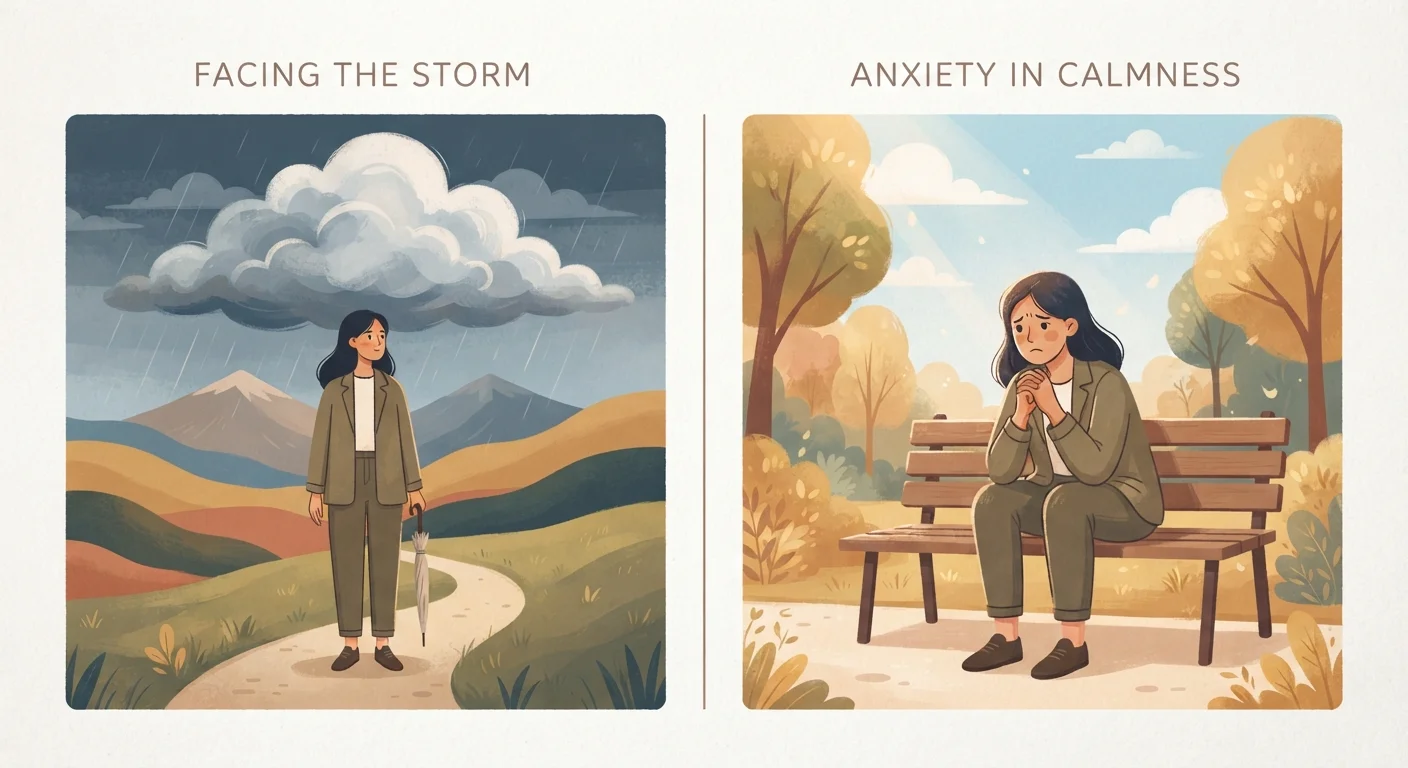
Stress is not a single, uniform experience — it comes in two biologically distinct forms that affect the body in very different ways. Acute stress is immediate and short-lived, triggered by a specific event like narrowly avoiding a car accident, speaking in front of an audience, or meeting a tight work deadline. Your body's stress response activates rapidly, then winds down once the situation passes. Chronic stress, by contrast, is ongoing. It arises when pressures — financial strain, a difficult relationship, long-term caregiving responsibilities, or a demanding job — persist without meaningful relief over weeks, months, or longer.
The distinction matters because the same physiological machinery designed to protect you in emergencies becomes harmful when it runs continuously. For a deeper look at what stress actually triggers inside your brain and body, see what stress does to your body and brain.
| Criterion | Acute Stress | Chronic Stress |
|---|---|---|
| Duration | Minutes to hours | Weeks to months or longer |
| Trigger | Specific, identifiable event | Ongoing or unresolved pressures |
| Cortisol pattern | Brief spike, then returns to baseline | Persistently elevated |
| Short-term effect | Improved focus, heightened alertness | Fatigue, irritability, poor concentration |
| Long-term health risk | Low when well-managed | Linked to cardiovascular, immune, and mental health issues |
| Best management approach | In-the-moment calming techniques | Sustained lifestyle habits and professional support |
How Each Type Affects Your Body
During acute stress, your hypothalamic-pituitary-adrenal (HPA) axis — the hormonal command system for stress — triggers a surge of cortisol and adrenaline. Heart rate climbs, muscles tense, and attention sharpens. This is the classic fight-or-flight response, and in the short term it is adaptive: it can improve reaction time, sharpen focus, and even temporarily boost immune function. Once the stressor passes, cortisol levels drop and the body returns to baseline.
Chronic stress keeps that same system activated far longer than it was designed to run. Persistently elevated cortisol is associated with disrupted sleep, weakened immune function, elevated blood pressure, and changes in appetite and metabolism. Research consistently links long-term stress exposure to increased cardiovascular risk and mental health challenges including depression and anxiety. Chronic stress also influences how the body stores fat and regulates hunger — a connection explored in detail in how stress affects body weight.
77%
Americans reporting physical stress symptoms
According to the American Psychological Association's Stress in America survey, a large majority of U.S. adults regularly experience physical symptoms they attribute to stress.
3x
Higher cardiovascular risk with chronic work stress
Research published in peer-reviewed cardiology literature suggests individuals with persistent high work-related stress face substantially elevated cardiovascular disease risk compared to low-stress counterparts.
50%
Immune function reduction under prolonged stress
Psychoneuroimmunology research indicates that chronic stress can measurably suppress immune responses, increasing susceptibility to common infections.
Recognizing the Signs of Each
Acute stress symptoms tend to be obvious and time-limited: racing heart, sweaty palms, dry mouth, or a jolt of nervous energy. They appear suddenly and fade within minutes to hours once the triggering event resolves.
Chronic stress is often more insidious. Because it develops gradually, many people normalize its symptoms — persistent fatigue, tension headaches, irritability, difficulty concentrating, or frequent illness — without connecting them to ongoing stress. Sleep disturbances are particularly common; the body struggles to fully disengage the stress response at night. If you have been feeling overwhelmed for an extended period and are unsure whether what you are experiencing is stress or something else, anxiety vs. stress: two familiar feelings that work very differently offers a useful framework for distinguishing the two.
This article provides general health information and is not a substitute for medical advice. If you are concerned about your stress levels or mental health, please consult a qualified healthcare professional.
Managing Each Type Effectively
Because acute and chronic stress operate differently, they call for different responses. For acute stress, in-the-moment tools — slow diaphragmatic breathing, brief physical movement, or grounding techniques — can help the nervous system downregulate quickly. These approaches work well because the stress response is designed to resolve fast anyway; you are simply helping it along.
Chronic stress requires a more sustained strategy. Structured habits built over time — consistent sleep schedules, regular moderate-intensity exercise, social connection, and mindfulness-based practices — have strong evidence behind them for reducing baseline stress load. Reactive coping alone is rarely sufficient; evidence-based habits that support long-term stress resilience outlines the practices with the strongest research backing. For severe or persistent chronic stress, working with a mental health professional provides structured support that self-help strategies alone may not achieve. Understanding how you tend to respond under pressure — whether reactively or thoughtfully — also shapes outcomes; reactive vs. responsive emotional handling explores that distinction in practical terms.