
The Biology Behind Stress and Body Weight
When the brain perceives a threat — whether it is a looming deadline or a long-term personal crisis — it activates the hypothalamic-pituitary-adrenal (HPA) axis, triggering the release of cortisol from the adrenal glands. In short bursts, this is adaptive. Cortisol mobilizes energy, sharpens focus, and prepares the body to respond. The problem arises when stress is chronic and cortisol levels remain persistently elevated.
Sustained high cortisol levels are linked to increased appetite, particularly for foods rich in sugar and fat. Cortisol also promotes the storage of fat in visceral tissue — the deep abdominal fat surrounding internal organs — which carries greater metabolic risk than fat stored elsewhere. Research published in Obesity Reviews has documented this connection between chronic psychosocial stress and visceral adiposity. For a deeper look at how stress hormones interact with energy regulation, see Sleep, Stress, and Metabolism.
~33%
Adults reporting stress-driven overeating
American Psychological Association surveys have consistently found that roughly one-third of U.S. adults report eating in response to stress.
2–3×
Higher visceral fat risk with chronic stress
Research in psychoneuroendocrinology suggests individuals with chronically elevated cortisol may accumulate visceral fat at significantly higher rates than those with lower stress hormone levels.
8+ weeks
Timeframe for MBSR to reduce cortisol
Multiple randomized controlled trials have found that structured mindfulness programs over 8 weeks produce measurable reductions in salivary cortisol.
How Stress Shapes Eating Behavior
Stress does not just affect fat storage at the hormonal level — it actively reshapes what and how much people eat. Studies consistently show that emotionally distressed individuals are more likely to reach for calorie-dense, palatable foods. This pattern, often called stress eating or emotional eating, is driven in part by the brain's reward circuitry: high-sugar and high-fat foods temporarily reduce activity in stress-response regions of the brain, creating a short-lived sense of relief.
At the same time, stress disrupts meal timing and structure. Irregular eating, skipping meals, or eating quickly while distracted can impair satiety signals and lead to overconsumption. It is worth noting that stress can produce the opposite effect in some people — suppressed appetite and unintended weight loss — which is equally worth monitoring. The relationship between stress and nutrition is more complex than simple overeating.
Practical, Evidence-Based Strategies
Addressing stress-related weight changes requires targeting the stress response itself — not just restricting food intake. The following approaches have meaningful research support:
- Mindfulness-based stress reduction (MBSR): Structured mindfulness practices have been shown in clinical trials to reduce cortisol levels and improve emotional eating behaviors. Even brief daily mindfulness sessions can make a measurable difference over several weeks.
- Consistent, moderate physical activity: Exercise reduces baseline cortisol over time and supports mood regulation through endorphin release and other mechanisms. Moderate-intensity activities — walking, cycling, yoga — appear particularly beneficial for stress management without placing additional physiological stress on the body. Exercise as a stress tool has real but nuanced effects worth understanding.
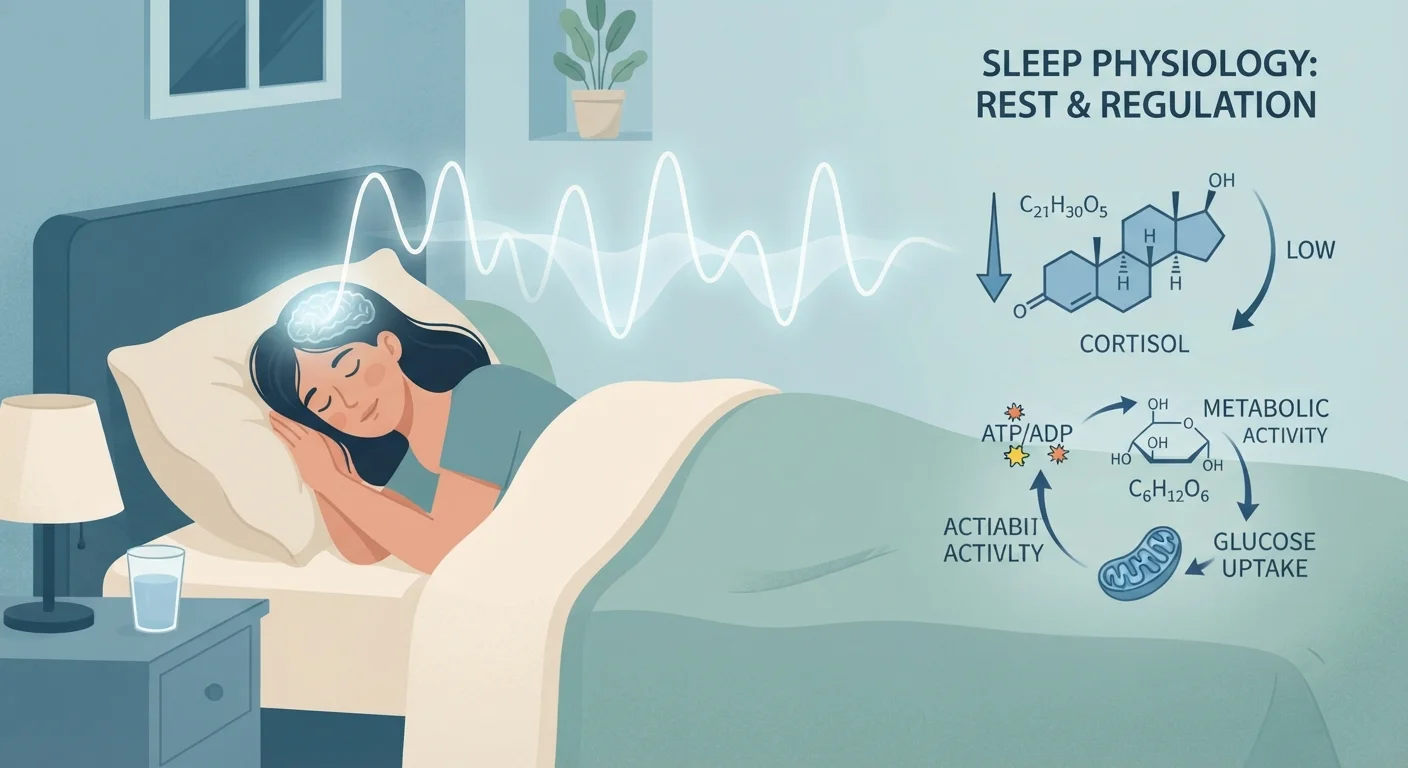
- Sleep prioritization: Chronic sleep deprivation elevates cortisol and disrupts appetite-regulating hormones like ghrelin and leptin. Protecting sleep quality is one of the most impactful — and underutilized — tools for metabolic health.
- Social support and professional help: Strong social connections buffer the physiological stress response. For persistent or severe stress, working with a mental health professional is appropriate and effective.
Explore broader stress management strategies and mental wellness resources to build a personalized toolkit.
Start With the Simplest Lever
If overhauling diet and exercise simultaneously feels overwhelming — especially during stressful periods — consider focusing on sleep quality first. Research suggests improving sleep duration and consistency has downstream benefits for both cortisol regulation and appetite control, making other changes easier to sustain over time.
This article is for general informational and educational purposes only and does not constitute medical advice. For concerns about weight changes, stress, or related health issues, please consult a qualified healthcare professional.