How Each Technique Works
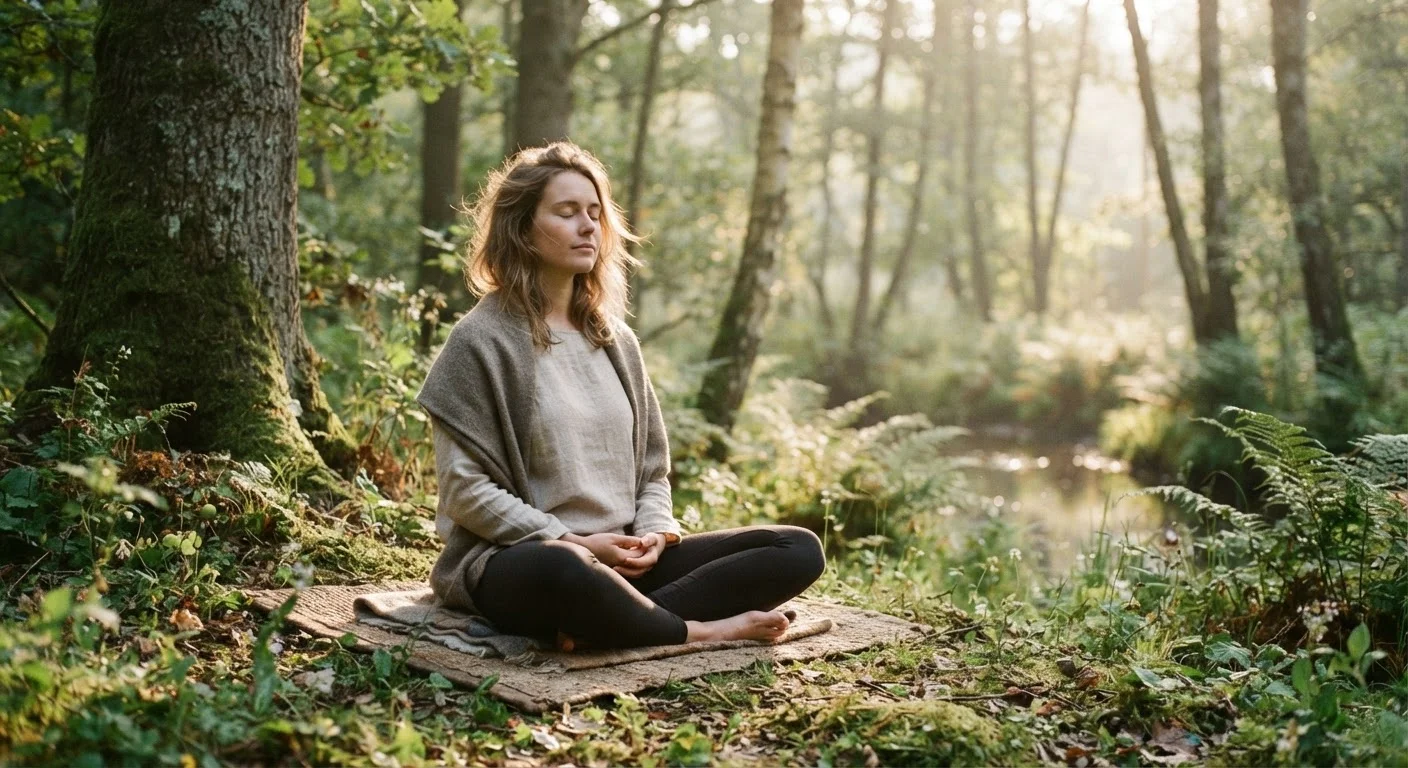
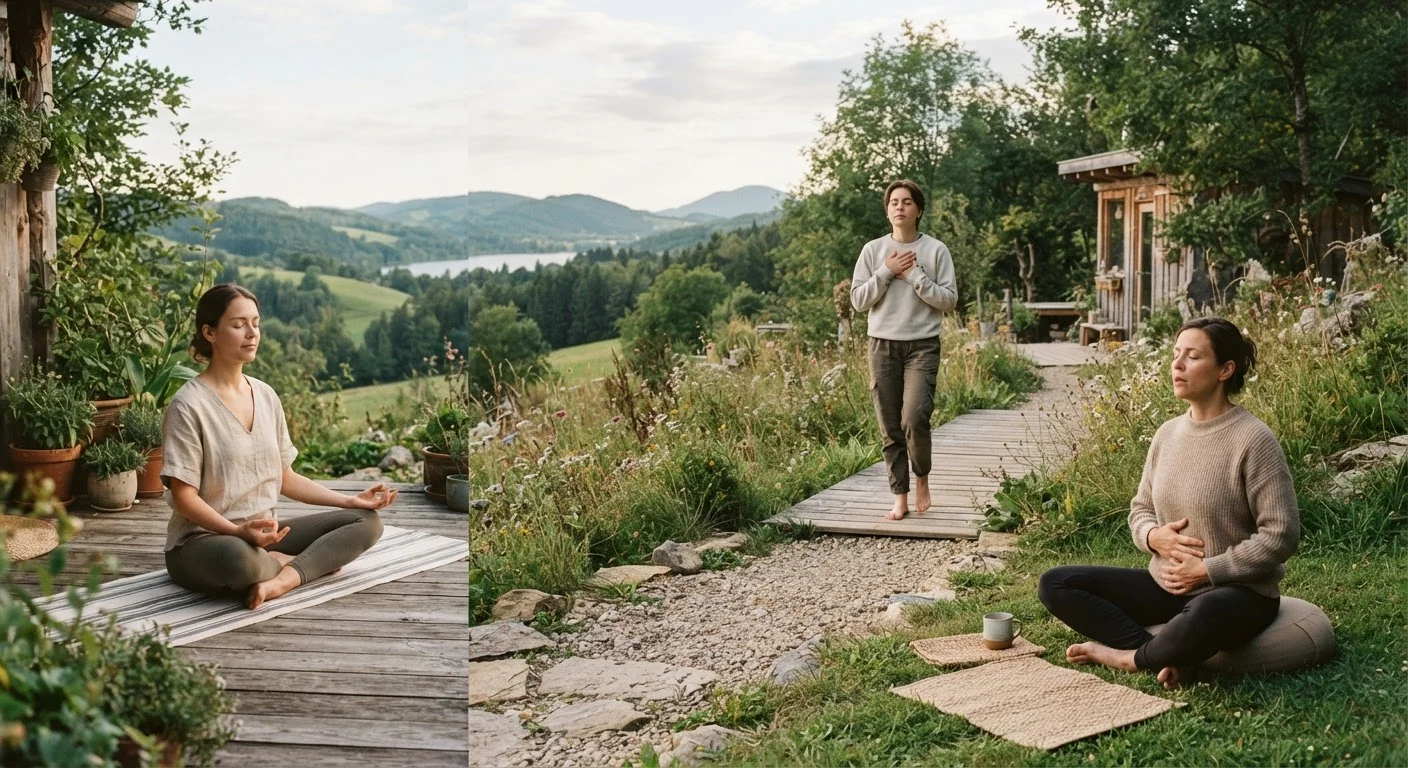
Mindfulness meditation is a practice of intentionally directing attention — typically to the breath, body sensations, or sounds — and gently returning focus whenever the mind wanders. The goal is not to empty the mind but to observe thoughts and feelings without judgment. Over repeated sessions, this builds a kind of mental flexibility sometimes called metacognitive awareness, which can reduce the automatic stress response to challenging situations. For a deeper look at what mindfulness actually means, see our explainer on meditation vs. mindfulness.
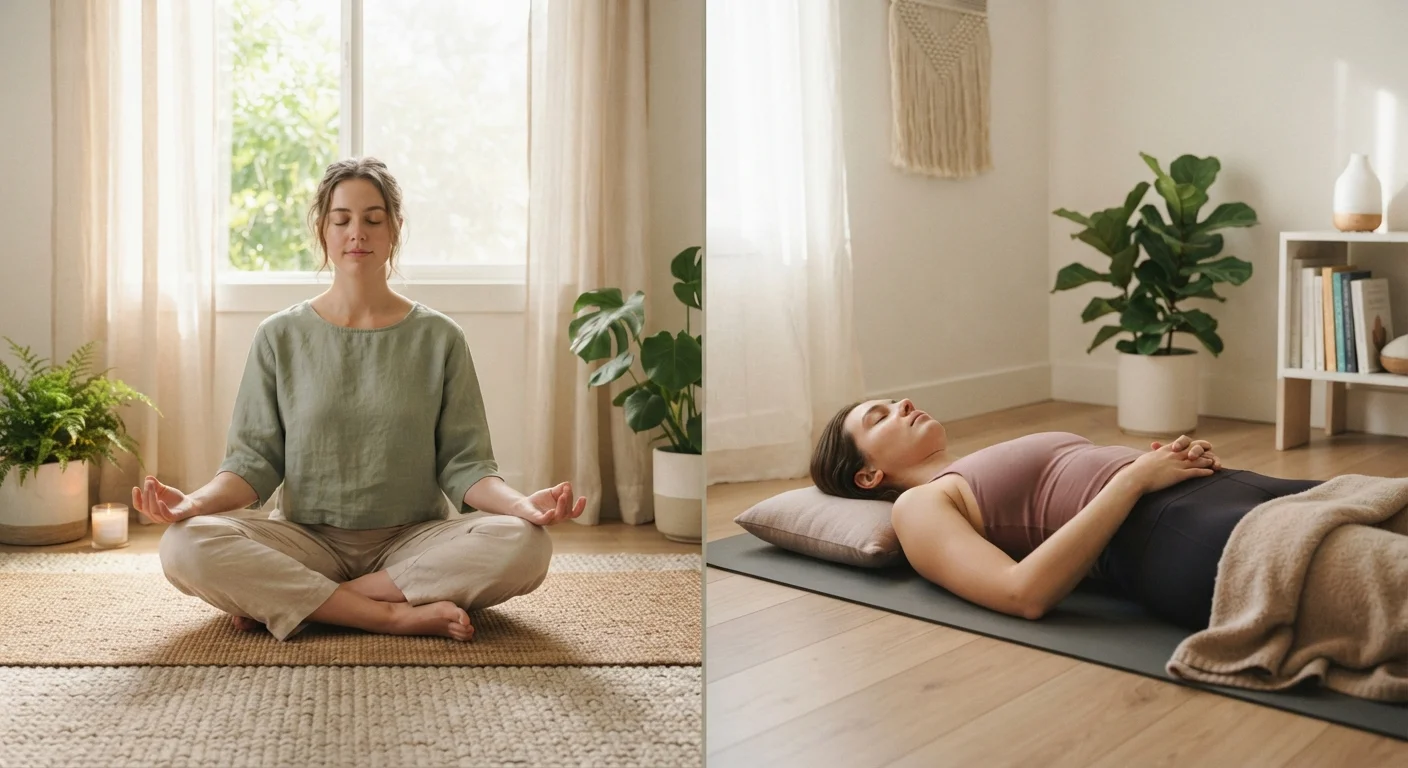
Progressive muscle relaxation (PMR), developed by physician Edmund Jacobson in the 1920s, works on a different principle: deliberately contracting specific muscle groups for several seconds, then fully releasing them. The contrast between tension and release trains the nervous system to recognize — and let go of — chronic muscle tightness. A typical session moves through the feet, calves, thighs, abdomen, hands, arms, shoulders, and face in sequence. No prior experience or special equipment is needed.
| Criterion | Mindfulness Meditation | Progressive Muscle Relaxation |
|---|---|---|
| Core mechanism | Attention training and non-judgmental awareness | Sequential muscle tension and release |
| Primary benefit | Reduced emotional reactivity and stress perception | Relief of physical muscle tension and anxiety |
| Typical session length | 5–45 minutes (flexible) | 15–20 minutes (structured) |
| Learning curve | Moderate — abstract concepts take practice | Low — concrete, step-by-step instructions |
| Equipment needed | None; optional guided audio | None; optional guided audio |
| Best position | Seated, walking, or lying down | Lying down or reclined |
| Sleep support evidence | Moderate — MBSR improves sleep quality | Strong — reduces sleep-onset time |
| Portability | High — informal practice anywhere | Low — requires quiet, reclined space |
What the Research Shows
Both techniques have accumulated meaningful research support, though the evidence base differs in scope and emphasis.
Mindfulness-based interventions — including MBSR, an eight-week structured program — have been studied extensively. Reviews published in peer-reviewed journals suggest consistent benefits for perceived stress, anxiety, and depression symptoms in general adult populations. Neuroimaging research indicates that regular mindfulness practice is associated with structural and functional changes in brain regions involved in attention and emotional regulation, though this area of science is still evolving.
PMR has a comparably long research history. Clinical trials have demonstrated its effectiveness in reducing state anxiety, lowering self-reported stress, and improving sleep onset. It is frequently used as an active control condition in clinical research, which itself reflects its well-established efficacy. Some studies also show modest reductions in blood pressure with regular use, though it should not be treated as a substitute for medically managed hypertension care.
38%
Reduction in perceived stress with MBSR
A meta-analysis in Health Psychology Review found mindfulness-based programs reduced perceived stress scores by approximately 38% compared to control conditions.
~14 min
Reduction in sleep-onset time with PMR
Research in behavioral sleep medicine has found PMR can shorten the time it takes adults with insomnia to fall asleep by roughly 14 minutes per night on average.
200+
Peer-reviewed MBSR studies published
The MBSR program developed at UMass Medical School has been evaluated in over 200 peer-reviewed studies examining stress, pain, anxiety, and well-being outcomes.
For a broader look at how these and other strategies compare, our overview of stress management approaches — including breathwork and movement covers the landscape in more depth.
Practical Differences: Time, Setup, and Learning Curve
Understanding the day-to-day differences can help you judge which fits your routine.
- Session length: A PMR session typically runs 15–20 minutes for a full body scan. Mindfulness sessions can range from 5-minute informal check-ins to 30–45 minute formal sits, depending on your experience and goals.
- Learning curve: PMR is generally easier to start independently — audio guides are widely available and the instructions are sequential and concrete. Mindfulness can feel frustrating at first because "doing nothing" is counterintuitive; many beginners benefit from guided apps or a structured intro program.
- Where you can practice: PMR works best lying down or in a reclined position, making it less portable. Mindfulness can be practiced sitting, standing, or walking — even integrated into commutes or household tasks. Our article on formal vs. informal mindfulness practice explains how to weave mindfulness into daily life without a dedicated session.
- Physical considerations: People with certain injuries or conditions should check with a healthcare provider before performing the muscle-tensing elements of PMR. Those with trauma histories may find that body-focused practices require a trauma-sensitive approach — a licensed therapist can help adapt either technique.
This article is for general informational purposes only and does not constitute medical or therapeutic advice. Always consult a qualified healthcare professional before beginning any new stress-management practice, especially if you have a physical or mental health condition.