
What Makes Practice 'Formal' or 'Informal'?
Mindfulness — the deliberate, non-judgmental awareness of the present moment — can be cultivated in two broad ways. Understanding the distinction helps you choose a realistic starting point. If you're curious how mindfulness differs from meditation more broadly, see our explainer on meditation vs. mindfulness.
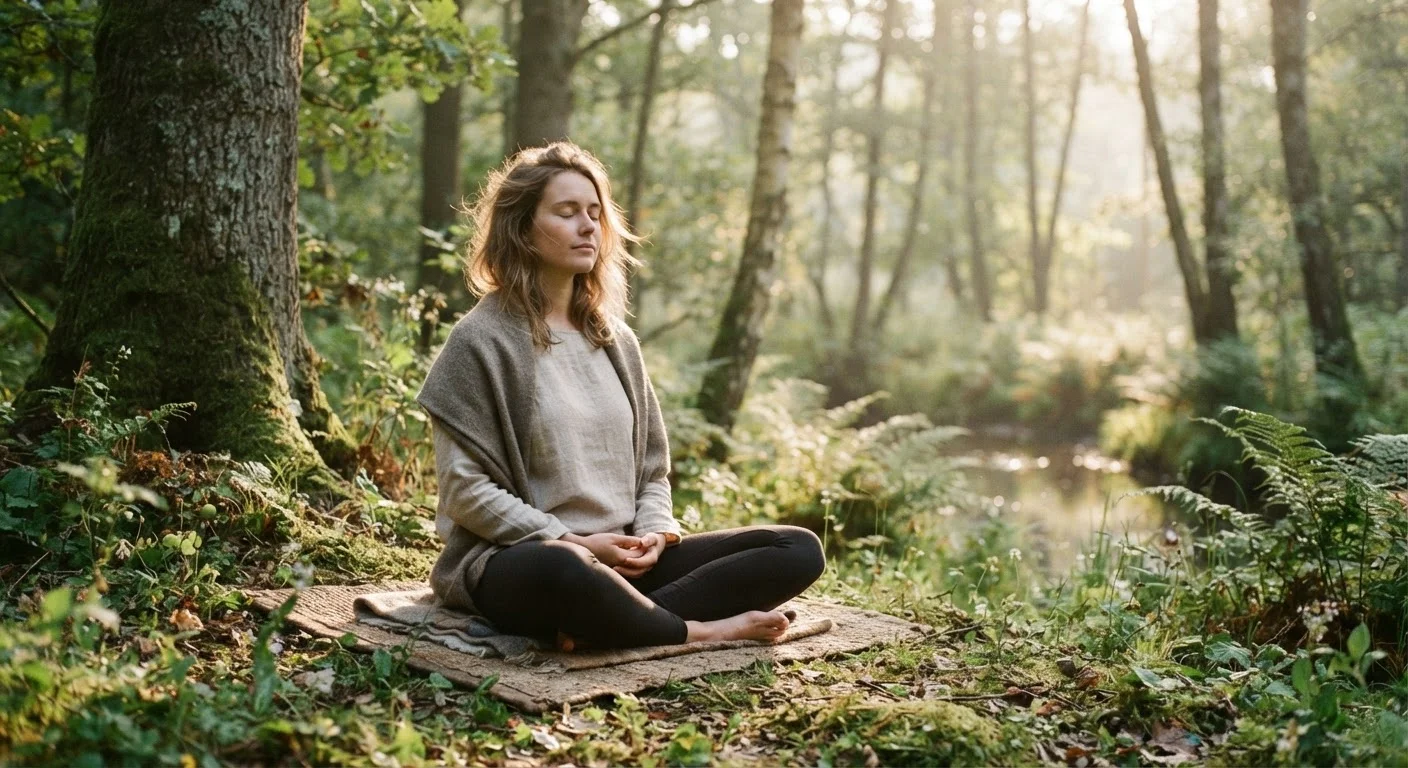
Formal practice means setting aside dedicated time specifically to practice mindfulness. This includes seated meditation, guided body scans, mindful breathing exercises, and structured programs such as Mindfulness-Based Stress Reduction (MBSR). You stop other tasks, choose a focus (often the breath or body sensations), and practice returning attention whenever the mind wanders.
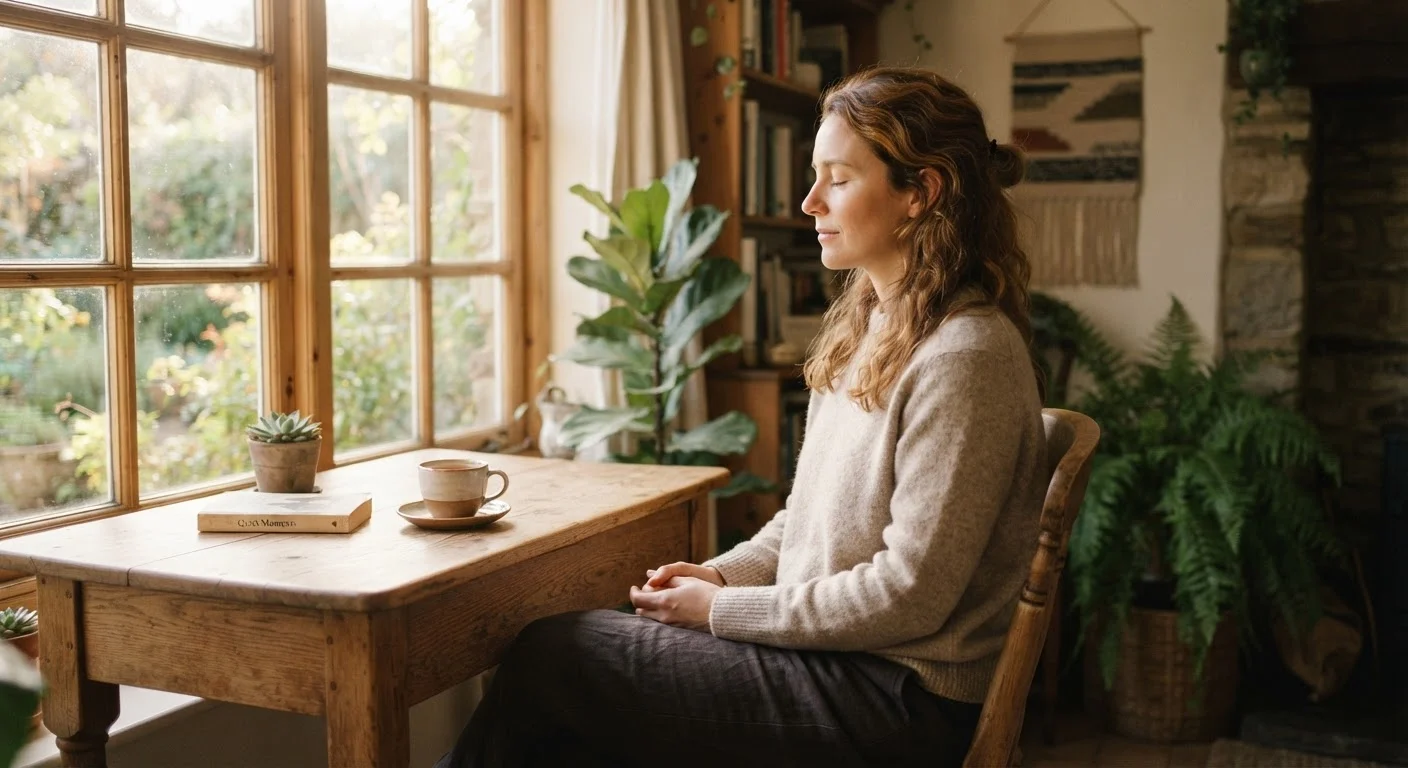
Informal practice means bringing the same quality of intentional, present-moment attention to activities you're already doing — commuting, eating, showering, or folding laundry. No extra time is carved out; the activity itself becomes the practice. Ordinary moments can become genuine mindfulness opportunities with just a small shift in attention.
How Each Approach Works — and What Research Suggests
Formal practice is where most clinical research has been conducted. Programs like MBSR, developed by Jon Kabat-Zinn at the University of Massachusetts, typically involve regular daily sessions over eight weeks. Studies published in journals including JAMA Internal Medicine and Psychological Medicine associate structured mindfulness programs with meaningful reductions in anxiety, depression symptoms, and perceived stress. The dedicated session creates a kind of 'mental gym' — repetition builds the attentional muscle over time.
Informal practice is less studied in isolation, but evidence suggests it plays a meaningful supporting role. Research on mindfulness in daily life indicates that carrying present-moment awareness into routine activities helps people apply the skills they build in formal sessions to real-world emotional triggers — the moment where it counts most. Think of formal practice as learning the skill, and informal practice as deploying it.
| Formal Mindfulness | Informal Mindfulness | |
|---|---|---|
| Time required | Dedicated block (5–45 min) | No extra time needed |
| Typical activities | Seated meditation, body scan, breathing exercises | Mindful eating, walking, chores, commuting |
| Research support | Extensive clinical evidence (MBSR, etc.) | Growing evidence, often studied alongside formal practice |
| Skill-building depth | High — deliberate, repeated focus training | Moderate — depends on consistency and intention |
| Ease for busy schedules | Requires planning and commitment | Integrates seamlessly into existing routines |
| Best for beginners | Yes — clear structure aids learning | Yes — low barrier encourages starting |
| Equipment or space needed | Quiet space; optional app or guide | None — any environment works |
It's also worth understanding the honest trade-offs involved before committing to either path. Our article on the real trade-offs of mindfulness practice offers a balanced look.
Practical Considerations: Time, Consistency, and Fit
The most common barrier to formal practice is time. Structured sessions — even 10–20 minutes daily — require scheduling, a reasonably quiet space, and the motivation to show up when life gets hectic. For parents of young children, people working multiple jobs, or anyone with an unpredictable schedule, this consistency can feel genuinely out of reach.
Informal practice sidesteps that barrier almost entirely. You don't need a quiet room or a free block of time — just the intention to notice what's happening as you move through the day. The trade-off is that without some formal grounding, informal practice can easily drift into distraction wearing the label of mindfulness.
Many mindfulness teachers and researchers suggest that even brief, regular formal sessions — five minutes of focused breathing each morning, for instance — provide enough structure to make informal moments more genuinely mindful throughout the day. Building mindfulness into your daily routine can help both approaches take root more naturally.
Choosing What Actually Works for You
There's no universal winner here. The right approach is the one you'll practice consistently. A few honest questions can help you decide:
- Do you have 5–20 minutes you can protect daily? If yes, formal practice is accessible and worth trying.
- Does sitting still feel frustrating or impossible right now? Starting with informal practice — mindful walks, attentive eating — may build tolerance and curiosity gradually.
- Are you working through significant stress, anxiety, or low mood? A structured, guidance-based program may offer more reliable support. Always consider speaking with a mental health professional if symptoms are persistent or interfering with daily life.
- Do you want mindfulness to complement an active lifestyle? Informal practice pairs naturally with movement; explore how it fits your active lifestyle.
Many people find the most sustainable path is a loose combination: a few minutes of formal practice anchored to a consistent time (morning coffee, before bed), plus a commitment to one or two informal touchpoints each day — a mindful commute, a screen-free lunch. Neither has to be perfect to be beneficial.
This article is for general informational and educational purposes only and does not constitute medical advice. If you are experiencing symptoms of anxiety, depression, or other mental health concerns, please consult a qualified healthcare professional.