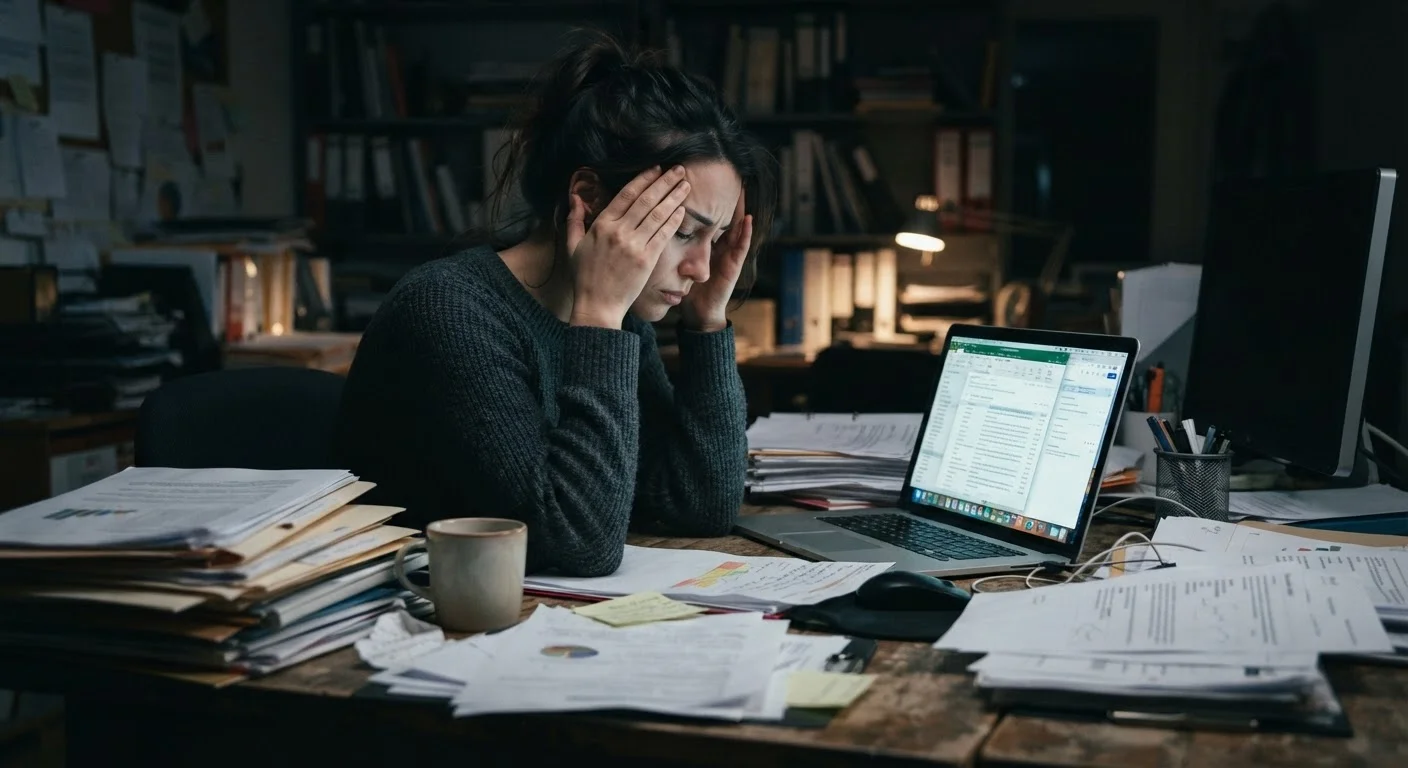

Why Common Stress Advice Often Misses the Mark
Stress management has become a crowded topic, with tips ranging from bubble baths to breathwork appearing everywhere from workplace wellness programs to social media. The problem is that some of the most commonly repeated advice is either oversimplified, misapplied, or contradicted by research. Acting on faulty assumptions can mean not only failing to reduce stress, but actively reinforcing it.
Understanding what the evidence actually supports — and what it doesn't — is a practical first step toward building habits that genuinely help. The myths below represent some of the most persistent misconceptions circulating in everyday American conversations about stress relief.
Myth
Venting about your stress always makes you feel better and helps you cope.
Fact
Research suggests that repetitive venting — especially without problem-solving — can sustain or amplify the stress response rather than defuse it.
Talking about a stressful situation once can help you process it, but repeatedly replaying frustrations (a pattern researchers call co-rumination) tends to keep the nervous system in an activated state. Studies in social psychology have found that venting without any shift toward resolution or perspective can reinforce negative emotion rather than release it. A more effective approach pairs acknowledgment of the feeling with some forward-focused thinking — even something as small as identifying one small action you can take.
Myth
A glass of wine or a beer at the end of the day is a healthy way to unwind from stress.
Fact
Alcohol is a depressant that may blunt stress signals temporarily, but it disrupts sleep architecture and can increase baseline anxiety over time.
The temporary sedative effect of alcohol can feel like relief, but the rebound effect — particularly on sleep quality — is well documented. Even moderate alcohol consumption fragments REM sleep, the phase most associated with emotional processing and memory consolidation. Over time, using alcohol as a primary stress tool can increase stress sensitivity and contribute to dependence. If you're looking for evening wind-down strategies, breathing and movement techniques tend to support sleep without these drawbacks.
Myth
All stress is bad for you and should be eliminated as quickly as possible.
Fact
Not all stress is harmful. Short-term, moderate stress — sometimes called eustress — can enhance focus, motivation, and performance.
Psychologists distinguish between distress (harmful, chronic stress) and eustress (beneficial, short-term stress). The physiological arousal before a presentation or a deadline can sharpen attention and mobilize resources. The problem arises when stress becomes chronic and unrelenting, without adequate recovery. Rather than aiming to eliminate all stress, the more useful goal is building the capacity to recover from it. See our hub on stress and anxiety management for practical strategies.
Myth
You need at least an hour of meditation or relaxation to get any real stress-relief benefit.
Fact
Even brief, consistent relaxation practices — as short as five to ten minutes — can produce measurable reductions in physiological stress markers.
Research on slow, paced breathing and brief mindfulness interventions consistently shows that even short sessions can lower cortisol levels and activate the parasympathetic nervous system. Consistency matters far more than duration. A daily five-minute breathing practice is likely to be more beneficial than an occasional hour-long session done sporadically. If the idea of lengthy sessions has kept you from trying these tools, common mindfulness misconceptions may be worth exploring.
Myth
Pushing through stress and staying busy is the best way to handle it.
Fact
Chronic suppression of stress signals without recovery time can worsen both mental and physical health outcomes over time.
While there are situations where continuing to function under pressure is necessary, habitually ignoring or suppressing stress is linked to elevated cortisol, increased cardiovascular risk, and impaired immune function. The body needs genuine recovery — not just distraction — to reset its stress-response systems. Pushing through stress without recovery tends to compound the problem rather than resolve it.
Myth
Exercise always relieves stress, so more exercise means less stress.
Fact
Physical activity supports stress resilience, but excessive or compulsive exercise can itself become a stressor — particularly without adequate rest.
Moderate aerobic exercise does promote the release of endorphins and reduce cortisol over time, making it a useful stress management tool. However, overtraining without recovery can elevate cortisol chronically and impair mood. The relationship between exercise and stress is nuanced. For a balanced look at what movement can and cannot do for stress, see exercise as a stress tool.
Building a Stress-Management Approach That Actually Works
There is no single strategy that works equally well for every person or every type of stress. Effective stress management tends to be both consistent and personalized. Workplace pressures, for example, often call for different tools than relationship stress or financial strain. Our guide on managing workplace stress covers evidence-based approaches tailored to professional environments.
This Is General Information, Not Medical Advice
The information in this article is intended for general educational purposes only. If stress is significantly affecting your daily functioning, sleep, or physical health, please consult a qualified healthcare or mental health professional for personalized guidance.
If you've been relying on coping habits that haven't been helping — or that may have been making things worse — that's not a personal failing. Many of these myths are deeply embedded in cultural messaging. The shift toward more effective strategies starts with accurate information and small, sustainable adjustments. For a side-by-side look at how breathing, meditation, and movement each affect the stress response, comparing these core approaches can help you identify a starting point.
This article is for informational purposes only and is not a substitute for professional medical or mental health advice. If stress is significantly affecting your daily life, please speak with a qualified healthcare professional.