
Why These Myths Have Such Staying Power
Mindfulness has gone mainstream — and with that visibility comes a fair amount of distortion. Wellness marketing, social media aesthetics, and oversimplified news coverage have all contributed to a picture of mindfulness that looks nothing like the actual practice. The result is that many people dismiss it before trying it, or try it once, feel like they've done it wrong, and give up.
What's frustrating is that the barriers are mostly imaginary. The myths below are common, understandable, and — importantly — correctable. If you've ever felt like mindfulness wasn't for someone like you, there's a good chance one of these misconceptions is at the root of that feeling.
Myth
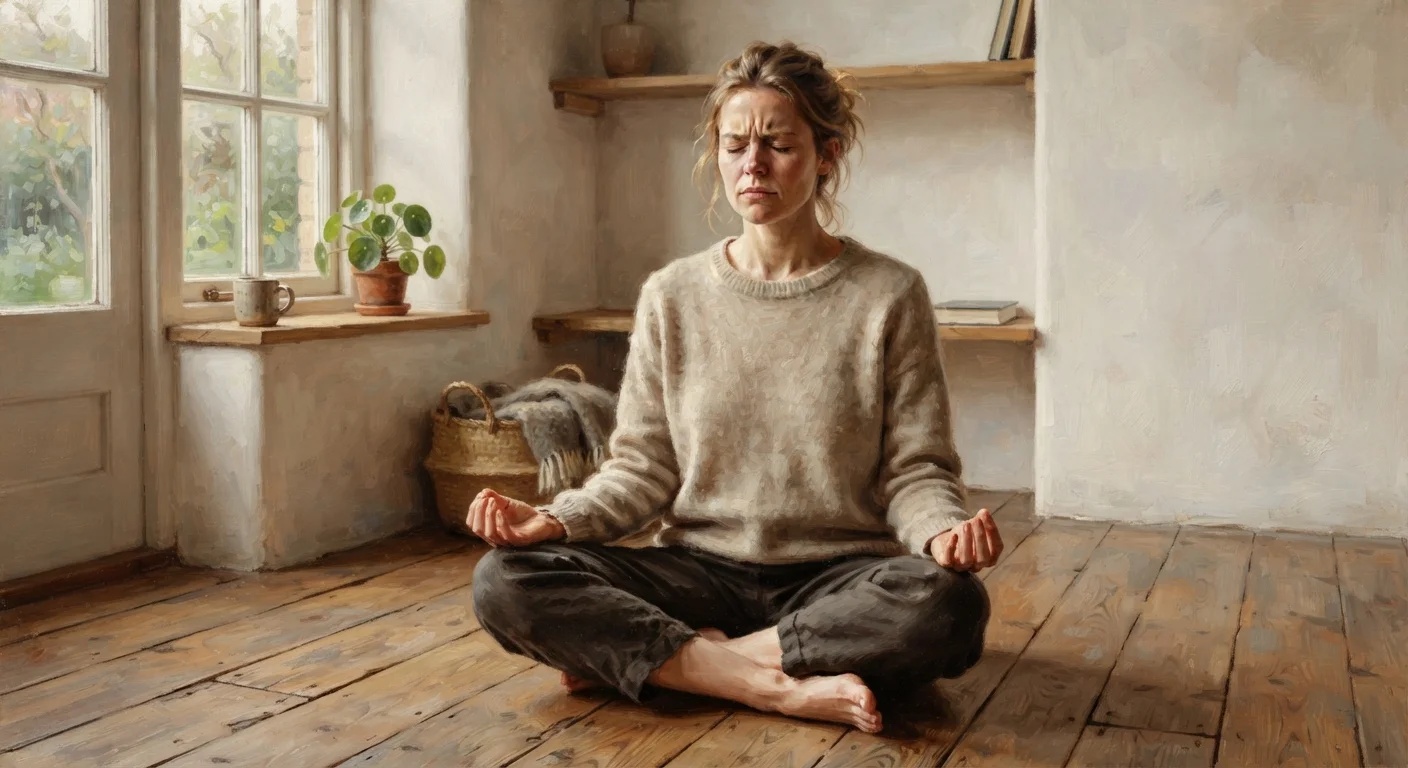
Mindfulness means emptying your mind of all thoughts.
Fact
Mindfulness is about observing thoughts without judgment, not eliminating them.
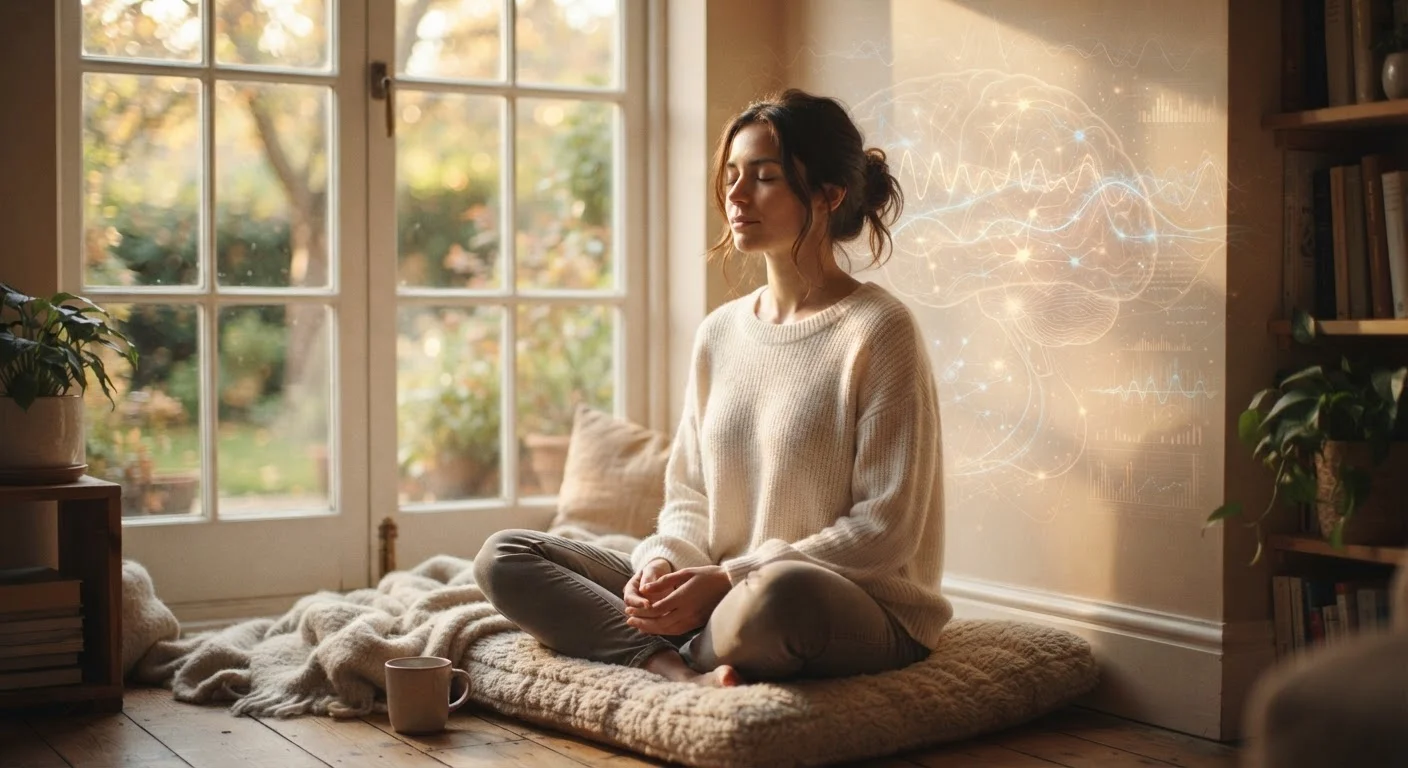
This is probably the most pervasive misconception, and it stops a lot of people before they even start. The human brain produces thoughts constantly — that's its job. Mindfulness practice doesn't ask you to shut that process down. Instead, it trains you to notice thoughts as they arise, acknowledge them without getting swept up, and gently return your attention to the present moment, often the breath or bodily sensations.
Research on mindfulness-based approaches, including Mindfulness-Based Stress Reduction (MBSR), consistently frames this noticing-and-returning cycle as the core skill being built. A wandering mind isn't a failed practice — it's an opportunity to practice. See why early practice feels difficult for more on what's actually happening in those first sessions.
Myth
You need to meditate for at least 30–45 minutes a day to see any benefit.
Fact
Studies show meaningful effects from practices as short as five to ten minutes daily.
The idea that mindfulness requires a major time investment is one of the most practical barriers people cite. But the research doesn't support a minimum-session requirement anywhere near that long. A 2018 review published in Behaviour Research and Therapy found that brief, daily mindfulness exercises — sometimes as short as ten minutes — were associated with reductions in stress and improvements in attention in non-clinical populations.
Consistency matters more than duration, especially when you're starting out. Two genuine minutes of focused breathing is more useful than forty distracted minutes on a cushion. If you're skeptical about how to actually build this habit, the beginner's starting point guide offers a straightforward framework.
Myth
Mindfulness is a religious or spiritual practice that conflicts with other beliefs.
Fact
Modern mindfulness as taught in clinical and workplace settings is secular and evidence-based.
While mindfulness has roots in Buddhist contemplative traditions, the form widely studied and practiced in American healthcare settings today was deliberately adapted into a secular format. MBSR, developed at the University of Massachusetts Medical School, is taught without religious content and is used in hospitals, schools, and workplaces across the country.
That said, some people do incorporate mindfulness into a spiritual life — that's a personal choice, not a requirement. The clinical version asks only that you pay deliberate, non-judgmental attention to present-moment experience. No belief system is required, and none is imposed.
Myth
If you're too stressed or anxious, mindfulness won't work for you.
Fact
People experiencing stress and anxiety are among the groups most studied — and most supported — by mindfulness research.
It's understandable to feel like your mind is too busy or too troubled to benefit from a practice that involves sitting with your thoughts. But this gets the logic backwards. Mindfulness-based interventions were specifically developed and tested for people dealing with chronic stress, anxiety, and low mood. A substantial body of research, reviewed in journals like JAMA Internal Medicine, supports mindfulness as a useful tool for managing stress and anxiety symptoms.
This doesn't mean mindfulness is a replacement for professional mental health care — it isn't, and anyone experiencing significant anxiety or depression should speak with a qualified healthcare provider. But the idea that high stress disqualifies you from the practice is a myth. For more context on what the evidence actually supports, see what research shows about mindfulness.
Myth
Mindfulness and meditation are the same thing.
Fact
Mindfulness is a mental quality you can cultivate in many ways; formal meditation is just one method.
People often use these words interchangeably, but they describe different things. Mindfulness is the capacity for present-moment, non-judgmental awareness. Meditation is a structured practice — one tool for developing that capacity. You can practice mindfulness while washing dishes, walking, or eating, without ever sitting in formal meditation. The full breakdown of how meditation and mindfulness relate clarifies when each term applies and why the distinction matters practically.
What This Means for Your Daily Life
Stripping away these myths leaves something much more approachable: a practice that asks you to pay attention, on purpose, to what's happening right now — without demanding perfection or a particular personality type. It doesn't require spiritual beliefs, expensive gear, or hours of free time.
Mindfulness is also not a cure-all, and being honest about that matters. It's one useful tool among many for managing stress and supporting mental well-being. For a candid look at both the benefits and the real trade-offs involved, the honest trade-offs of mindfulness practice is worth reading before you commit to a routine.
And if you've been struggling with stress and feel like nothing is working, it may also help to examine other habits you've been relying on — some popular stress-management strategies are less effective than they seem. Common stress management myths explores a few that can quietly backfire.
The best starting point is simply trying it — briefly, without judgment, and without expecting to get it right. That, it turns out, is already the practice.
This article is for general informational and educational purposes only and is not a substitute for professional medical or mental health advice. If you are experiencing significant anxiety, depression, or other mental health concerns, please consult a qualified healthcare provider.