The First Hours: Antigen Recognition and Innate Immunity
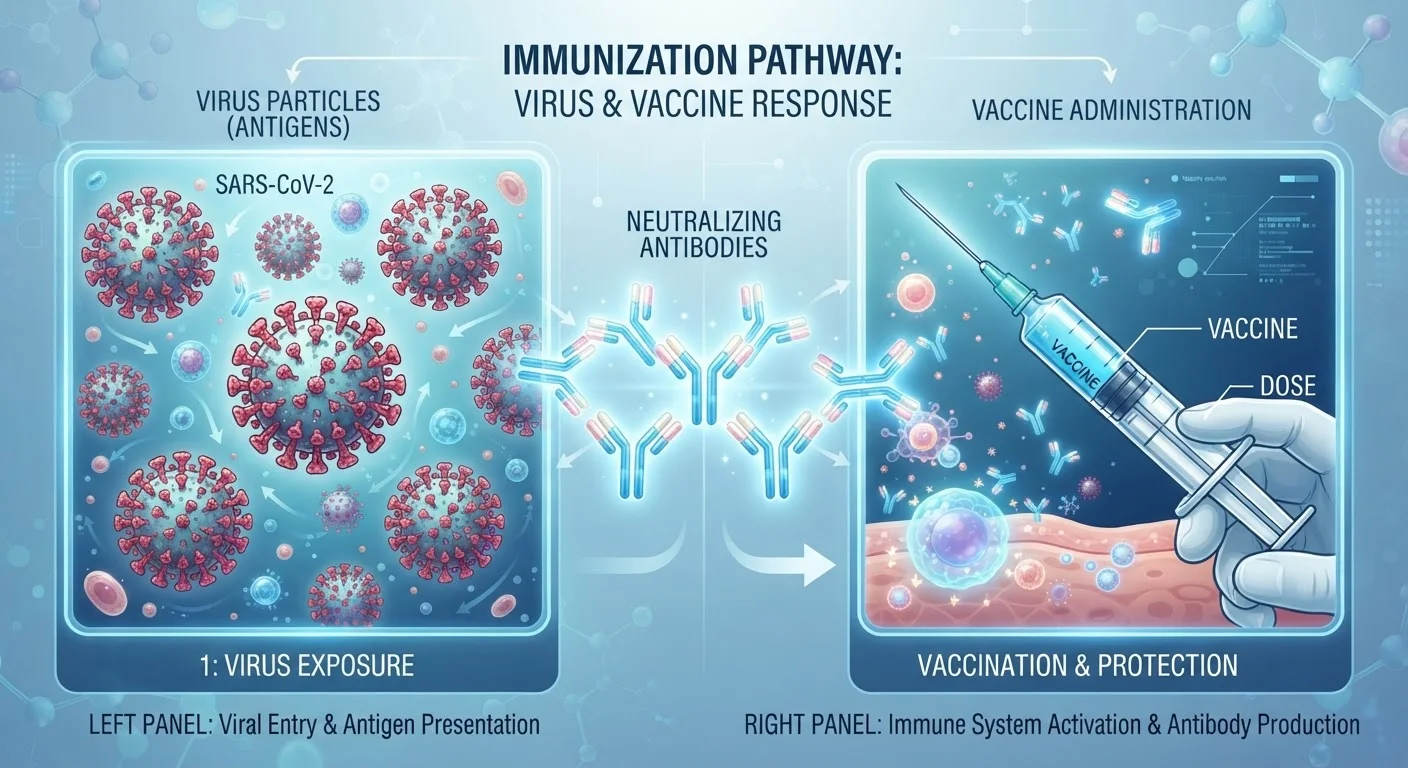
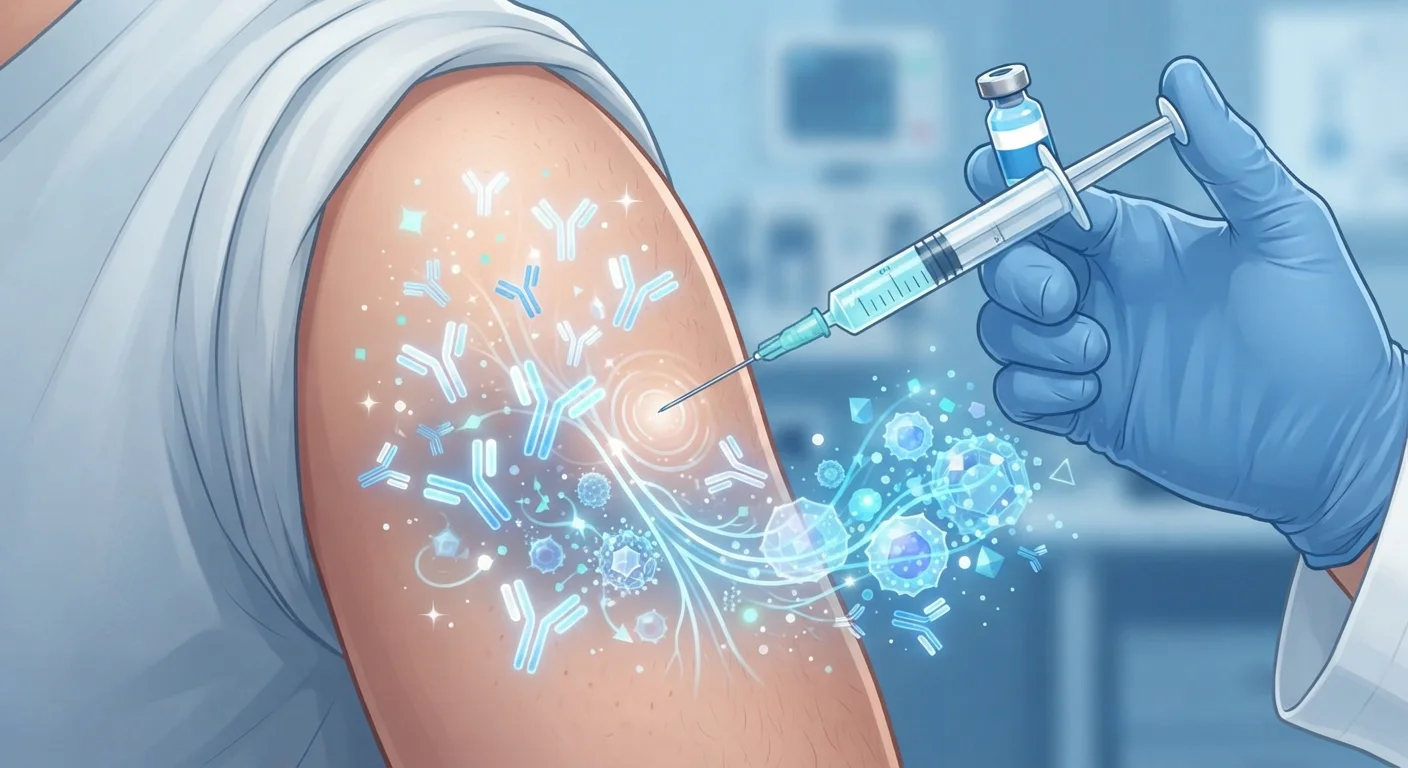
Within minutes of a vaccine being injected — typically into muscle tissue — your body's first line of defense, the innate immune system, goes to work. Specialized cells called dendritic cells and macrophages detect the vaccine's antigen (a protein or molecular signal that flags something foreign) and begin consuming it.
These early-responder cells don't specifically recognize the pathogen — they simply detect that something foreign is present and sound the alarm. Inflammatory signals called cytokines are released, triggering increased blood flow to the area. This is what causes the redness, warmth, and soreness many people notice at the injection site.
Dendritic cells then carry fragments of the antigen to nearby lymph nodes, acting as messengers that bridge the innate response and the more targeted adaptive immune response that follows.
Mild Side Effects Are a Normal Sign
Symptoms like a low-grade fever, fatigue, or injection-site soreness after vaccination are common and generally indicate that your immune system is responding. They typically resolve within one to three days. If you experience severe or prolonged reactions, contact your healthcare provider. These common side effects are distinct from rare allergic reactions, which occur very shortly after administration — which is why clinics ask you to wait 15 minutes after receiving a shot.
Days One to Seven: The Adaptive Immune System Mobilizes
Inside the lymph nodes, the adaptive immune system takes over. Dendritic cells present antigen fragments to two key players: B cells and T cells.
- B cells are activated to differentiate into plasma cells, which produce antibodies — proteins specifically shaped to bind to the vaccine's antigen. These antibodies can neutralize the actual pathogen if it enters the body later.
- Helper T cells coordinate the immune response by signaling B cells to proliferate and by activating another group called cytotoxic T cells, which are trained to kill infected cells directly.
This cascade takes several days to build momentum. Antibody levels rise gradually over the first one to two weeks following vaccination, which is why full protection requires time after the final dose.
1–2 weeks
Time for full antibody protection post-vaccination
According to the CDC, most vaccines require this window after the final dose before peak immunity is reached.
~2–3 days
Duration of typical injection-site side effects
Local reactions such as soreness, redness, and swelling generally resolve within a few days as the initial innate immune response subsides.
10–14 days
Window for memory B cell formation
Research shows that memory B cells typically begin differentiating within the first two weeks after antigen exposure, forming the basis of lasting vaccine immunity.
The Long Game: Memory Cells and Lasting Protection
After the initial immune response peaks, most of the activated B and T cells die off — but a crucial subset survives as memory cells. These long-lived cells are the foundation of durable immunity.
Memory B cells circulate in the bloodstream for years, sometimes decades. If they encounter the real pathogen in the future, they mount a dramatically faster and stronger antibody response than the first time — often eliminating the threat before you develop symptoms.
Memory T cells serve a similar function: they retain the ability to rapidly expand and destroy infected cells upon re-exposure. This dual memory system is why vaccination can confer long-term protection against diseases you may never have encountered.
The durability of this protection varies by vaccine type and individual factors. Some vaccines — like those for measles, mumps, and rubella — provide decades of coverage. Others, like the annual flu vaccine, are reformulated each season because the target virus mutates quickly. You can explore how this fits into your broader vaccination needs in our guide to the CDC's adult immunization schedule.
How Different Vaccine Types Trigger This Response
Not all vaccines deliver antigens the same way, but all are designed to achieve the same immune training outcome. Understanding the main types helps clarify why some require multiple doses or specific storage conditions.
- Live-attenuated vaccines
- Use a weakened form of the pathogen (e.g., MMR, chickenpox). They typically produce a robust, long-lasting immune response — often with just one or two doses.
- Inactivated vaccines
- Use killed pathogens (e.g., flu shot, hepatitis A). They're very stable but may require booster doses for sustained protection.
- Subunit vaccines
- Deliver only specific proteins from the pathogen (e.g., hepatitis B, shingles). These are highly targeted and safe for immunocompromised individuals.
- mRNA vaccines
- Provide genetic instructions for your cells to temporarily produce a harmless antigen protein (e.g., COVID-19 vaccines). The mRNA does not enter the cell nucleus and is broken down quickly after use.
Regardless of type, none of these approaches can cause the disease they protect against. For a broader picture of how vaccination immunity compares to immunity gained through infection, see our piece on natural immunity vs. vaccine-induced immunity.
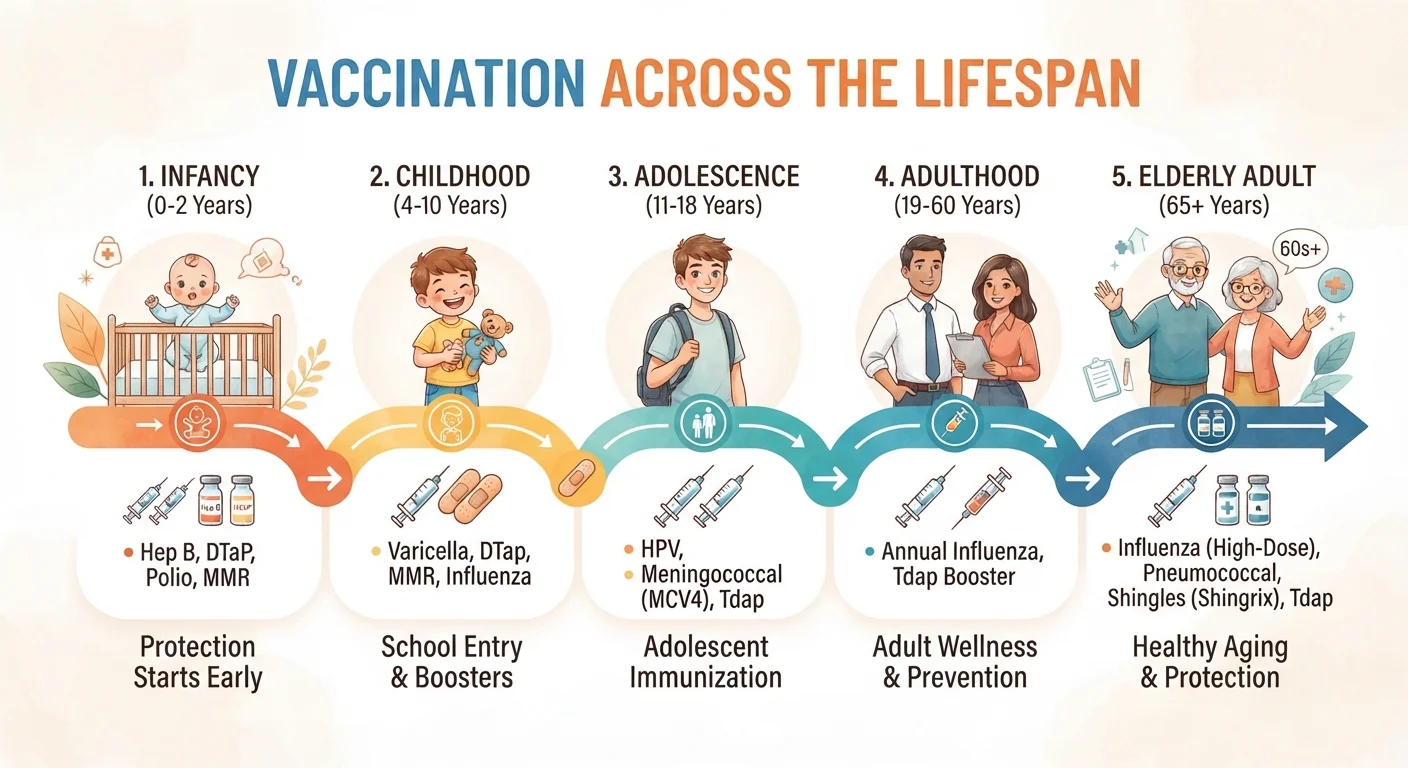
Understanding this biological chain of events is a foundation for making confident, informed decisions about your own health. For an end-to-end overview of how vaccine needs evolve throughout life, visit our immunization timeline across a lifetime. And if you're new to navigating adult vaccines altogether, the complete starter guide for adults is a helpful next step.
This article is for general informational purposes only and does not constitute medical advice. Always consult a qualified healthcare professional for guidance specific to your health situation.