How Each Type of Immunity Is Generated
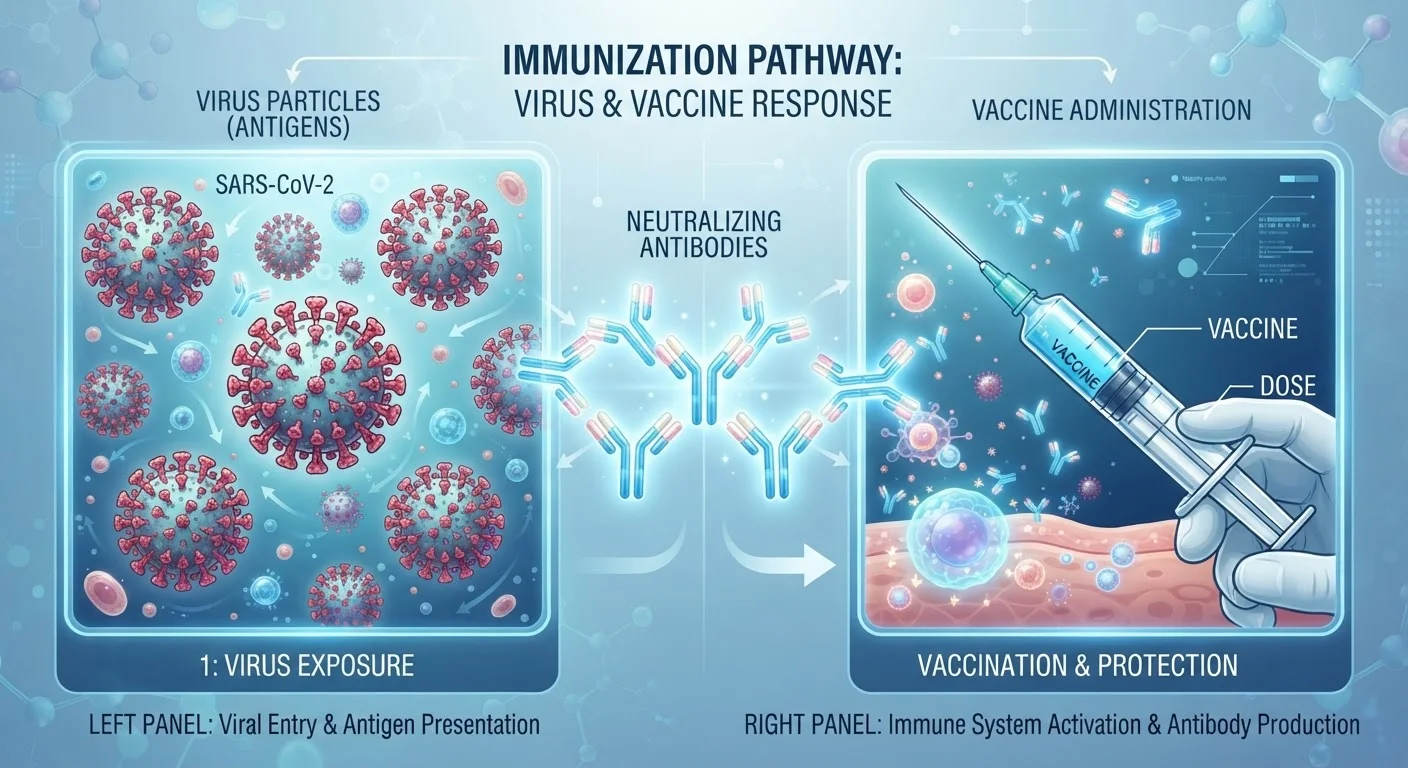
When a pathogen — a virus or bacterium — enters the body and causes infection, the immune system mounts a response. White blood cells identify foreign antigens, produce antibodies, and generate memory cells that can respond faster if the same pathogen returns. This is natural immunity: protection earned through surviving the disease.
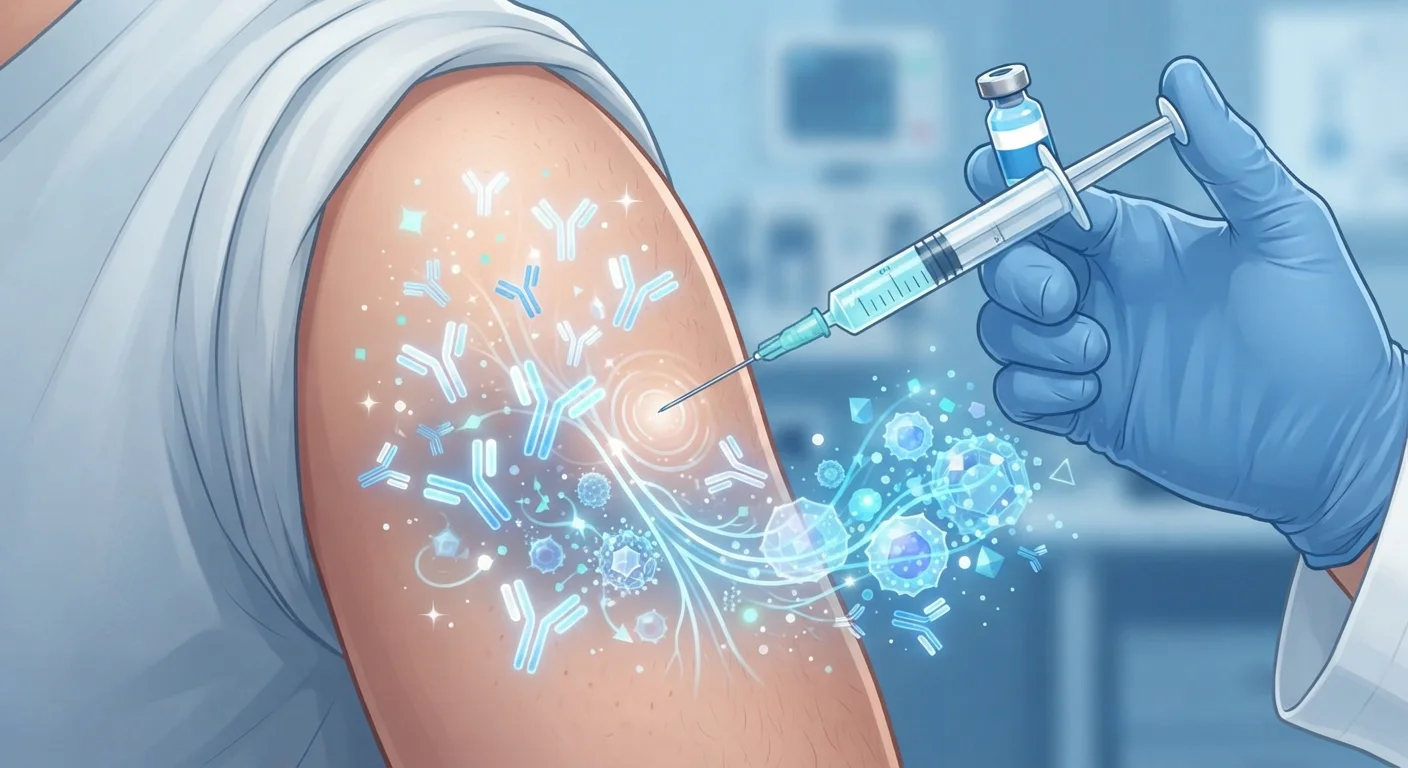
Vaccine-induced immunity works through the same underlying biology. Vaccines introduce an antigen — whether a weakened pathogen, an inactivated component, or genetic instructions (as in mRNA vaccines) — and trigger that same antibody and memory-cell response. The critical difference is that this happens without a person experiencing the disease itself. To understand the full biological sequence, see how your immune system responds to a vaccine.
The immune system, in both cases, is doing similar work. The fundamental distinction lies in what initiates that process — and what risks accompany it.
Comparing Strength, Duration, and Consistency
A common question is whether one type of immunity is simply "stronger" than the other. The honest answer is: it depends heavily on the disease.
| Criterion | Natural Immunity | Vaccine-Induced Immunity |
|---|---|---|
| How acquired | Through active infection | Through controlled vaccination |
| Risk to acquire | High — disease complications possible | Low — mild, short-term side effects typical |
| Consistency across individuals | Highly variable | Standardized through clinical testing |
| Duration | Varies by disease and individual | Varies by disease; boosters available |
| Predictability | Unpredictable; depends on illness severity | Well-characterized immune response |
| Suitability for all populations | Dangerous for vulnerable groups | Adjusted protocols for special populations |
For some illnesses, such as measles, natural infection produces very durable, lifelong immunity. Measles vaccination also confers long-lasting protection, generally estimated at decades or more with the recommended two-dose series. For others, like influenza and COVID-19, immunity from both infection and vaccination wanes over time and requires updates as pathogens evolve.
What sets natural immunity apart — and not in a favorable way — is its variability. The strength of infection-derived immunity depends on the severity of illness, the individual's baseline immune function, age, and other factors. Two people who recover from the same infection may have meaningfully different levels of protection. Vaccine-induced immunity, by contrast, is standardized through clinical trials to produce a defined, measurable immune response in most recipients.
The Risk Factor: Why "Natural" Is Not Automatically Better
Perhaps the most important distinction is risk. Acquiring natural immunity means experiencing the disease — and for many vaccine-preventable illnesses, that carries substantial danger. Measles can cause encephalitis (brain swelling). Pertussis (whooping cough) can be fatal in infants. COVID-19 has caused long-term complications in a significant proportion of those infected.
Vaccination sidesteps these dangers. The side effects of vaccines — soreness, mild fever, fatigue — are well-characterized and generally short-lived. For a clear breakdown of what reactions are normal versus concerning, see vaccine side effects: separating normal reactions from warning signs.
Natural Does Not Mean Risk-Free
In health contexts, "natural" does not imply safe or superior. Many natural processes — including infection — carry serious medical consequences. The scientific and public health consensus consistently supports vaccination as a safer pathway to immunity than deliberate or incidental infection for nearly all vaccine-preventable diseases. If you have questions about specific vaccines and your health history, consult your healthcare provider.
The idea that choosing infection over vaccination is a rational trade-off does not hold up under scientific scrutiny for most vaccine-preventable diseases. The risks of infection are real and sometimes severe; the risks of vaccination are generally mild and rare.
Does Prior Infection Mean You Should Skip Vaccination?
Current guidance from the CDC and major clinical bodies does not support skipping vaccination simply because you have had a prior infection. For diseases like COVID-19, studies have shown that vaccination after infection can broaden the immune response and provide more consistent protection — sometimes called "hybrid immunity." For other diseases such as measles or varicella, prior infection may provide strong enough protection that revaccination is not routinely recommended, but a healthcare provider can assess your individual situation.
The broader takeaway: natural immunity and vaccine-induced immunity are not mutually exclusive categories competing for preference. They are tools that can work together. If you are navigating these decisions as an adult, vaccines and immunity: a complete starter guide for adults offers a helpful foundation. Those with weakened immune systems face additional complexity — immunocompromised and vaccines: a different calculus explains why professional guidance is especially critical for that population.
This article is for general informational purposes only and does not constitute medical advice. Always consult a qualified healthcare professional before making decisions about vaccination or your personal health.