
What Is Social Jet Lag?
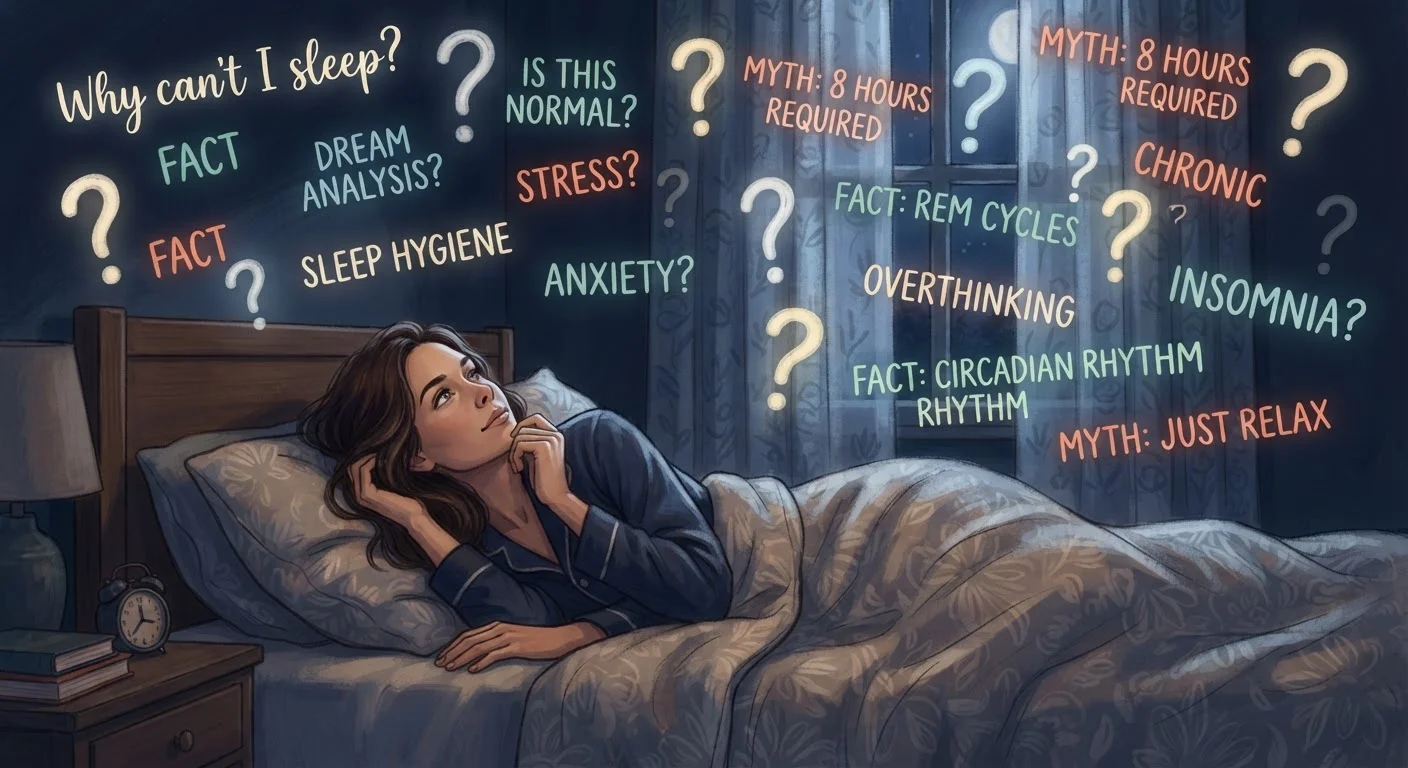
Most people are familiar with travel jet lag — the grogginess that follows a long flight across time zones. Social jet lag works on the same principle, but the time-zone shift happens every single week without leaving home. When you stay up late Friday night, sleep until 10 a.m. Saturday, and repeat the pattern Sunday, your internal body clock — formally known as the circadian rhythm — shifts later by several hours.
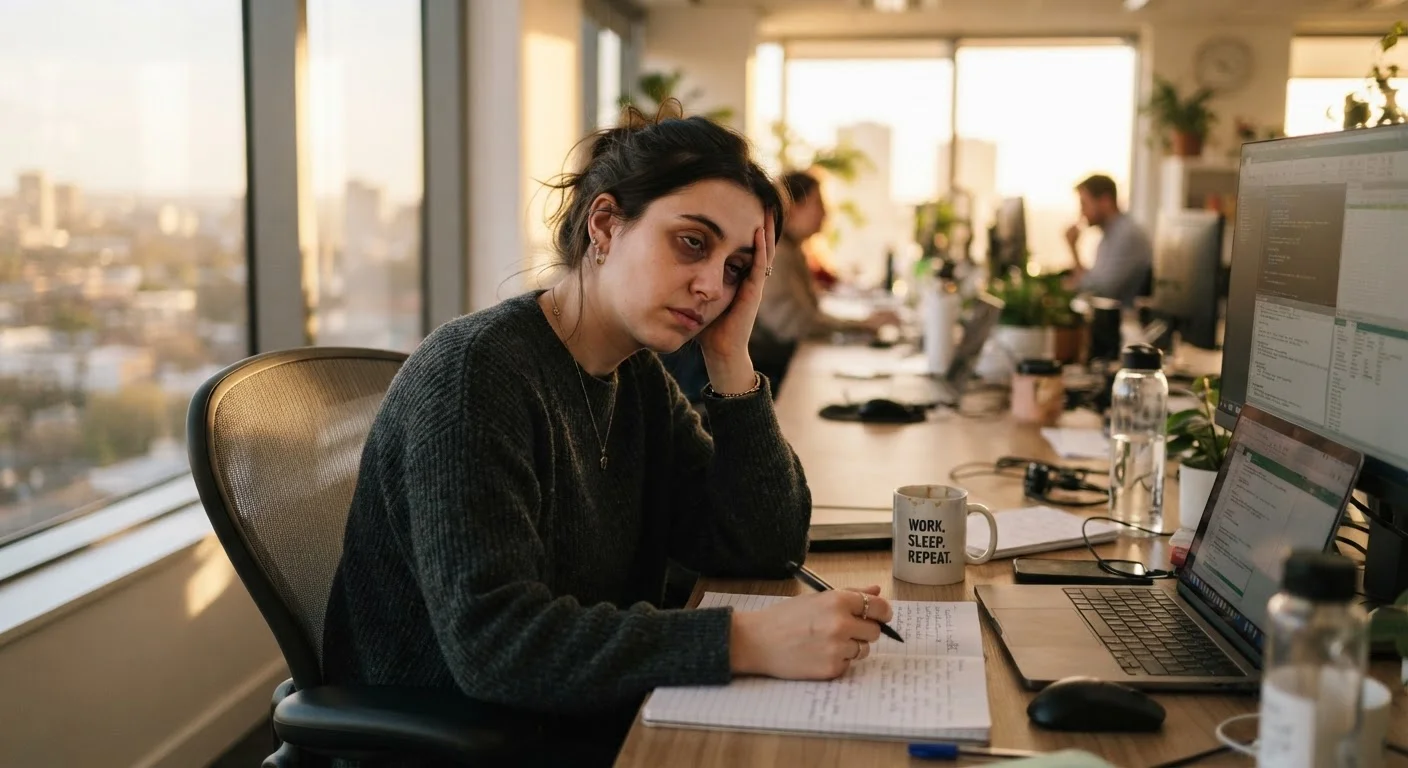
By Monday morning, your alarm rings at 6 or 7 a.m., but your biology is still operating as if it's the middle of the night. That mismatch is social jet lag, and research published in Current Biology suggests it affects a significant portion of the working population. The concept was largely popularized by chronobiologist Till Roenneberg, whose large-scale studies found links between social jet lag and fatigue, metabolic disruption, and mood changes.
Understanding this mechanism is the first step toward doing something about it. As our review of common sleep science beliefs explains, the popular idea that you can simply "catch up" on sleep over the weekend lacks solid scientific support.
Common Weekend Sleep Mistakes — and How to Avoid Them
Several well-intentioned weekend habits quietly undermine your sleep health throughout the week. Here are the most common errors, why they happen, and what you can do instead.
Sleeping in two or more hours later than your weekday wake time on weekends.
Why it happens: After a week of early alarms and sleep deficits, the body craves extra rest. Sleeping in feels like a logical and deserved correction.
Treating weekend sleep as a debt-repayment system for the entire week.
Why it happens: The "sleep bank" metaphor is intuitive — it feels logical that extra sleep on Saturday offsets the deficit from Tuesday. This belief is widespread but not well-supported by evidence.
Staying up significantly later on Friday and Saturday nights without adjusting Sunday.
Why it happens: Social activities, screen time, and the psychological relief of having no morning obligations naturally push bedtime later on weekends.
Napping for long periods on weekend afternoons to compensate for late nights.
Why it happens: After a short night of sleep, a long afternoon nap seems like the obvious fix. It offers immediate relief, making it easy to overlook the downstream consequences.
If Monday fatigue feels chronic rather than just annoying, it may point to something beyond scheduling. Signs your daytime fatigue might be a sleep disorder outlines patterns worth discussing with a doctor.
Building a Consistent Schedule Without Giving Up Your Weekends
Protecting your circadian rhythm doesn't require going to bed at 9 p.m. on Saturday. The goal is to limit the variance between your weekday and weekend sleep timing, not to eliminate all flexibility.
Sleep researchers generally suggest keeping your wake time within one hour of your typical weekday time, even on weekends. If you normally wake at 6:30 a.m. for work, waking at 7:30 a.m. on Saturday preserves much of your circadian alignment. You can still stay up a bit later on Friday — just avoid compounding it by sleeping in until noon.
If you're currently operating on a large discrepancy, shift gradually. Moving your weekend wake time 15–30 minutes earlier each week is more sustainable than an abrupt correction. For a structured approach to making these changes stick, see our week-by-week framework for building a lasting sleep routine.
Light exposure also plays a powerful role. Getting bright light — ideally natural sunlight — shortly after waking helps anchor your circadian clock to local time, making it easier to feel alert on Monday morning. Conversely, avoiding bright screens late at night supports an earlier sleep onset.
This article is for informational purposes only and is not a substitute for professional medical advice, diagnosis, or treatment. If you have concerns about your sleep health, consult a qualified healthcare provider.