What Makes a Workout "Low-Impact"?
The term low-impact is often misused as a synonym for "easy" or "gentle," but it has a precise meaning in exercise science. A workout qualifies as low-impact when at least one foot or limb remains in contact with a stable surface throughout the movement — preventing the body from becoming airborne and then landing with force.
Compare walking to running: during walking, one foot is always on the ground. During running, both feet briefly leave the surface with each stride, creating a landing impact that can be two to three times your body weight. That repeated force is what low-impact formats eliminate.
This distinction matters because impact accumulates. High-impact activities like running, jumping jacks, or plyometric drills are effective for many goals, but they place real mechanical stress on bones, cartilage, and connective tissue. For a closer look at how different workout categories function, see what each major workout type trains.
Common Low-Impact Formats and What They Train
Low-impact doesn't restrict you to a narrow set of movements. A wide range of formats fall into this category, and they train meaningfully different physical qualities:
- Walking: Builds cardiovascular endurance, supports bone density (it's still weight-bearing), and is accessible to nearly all fitness levels.
- Cycling (indoor or outdoor): Trains cardiovascular fitness and lower-body muscular endurance with minimal joint loading. Can be pushed to high intensity without high impact.
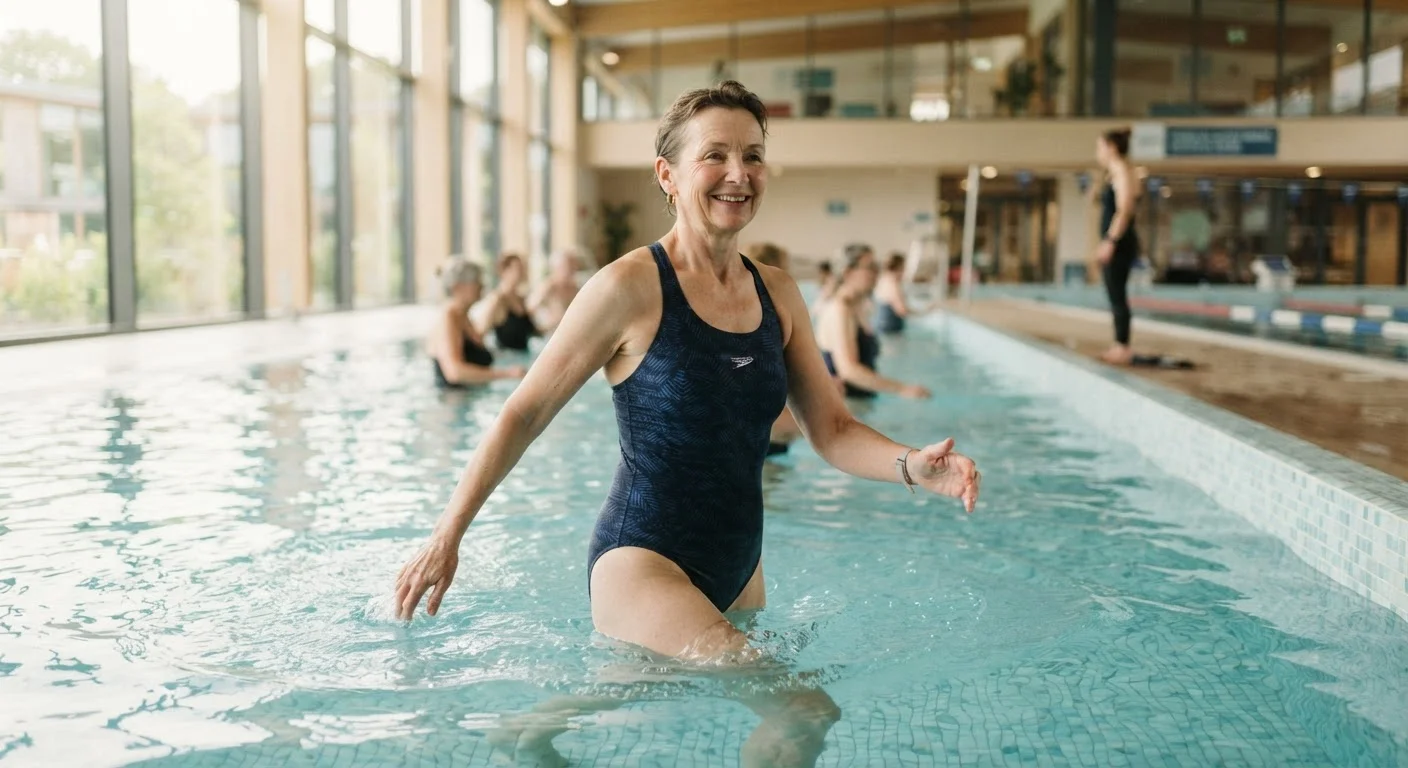
- Swimming and water aerobics: The water's buoyancy offloads body weight while providing resistance in all directions — useful for both cardiovascular conditioning and muscle endurance.
- Elliptical training: Mimics the motion of running while feet stay on the pedals, dramatically reducing ground reaction force.
- Yoga and Pilates: Focus on flexibility, joint mobility, core stability, and body awareness — though some advanced variations add strength challenge.
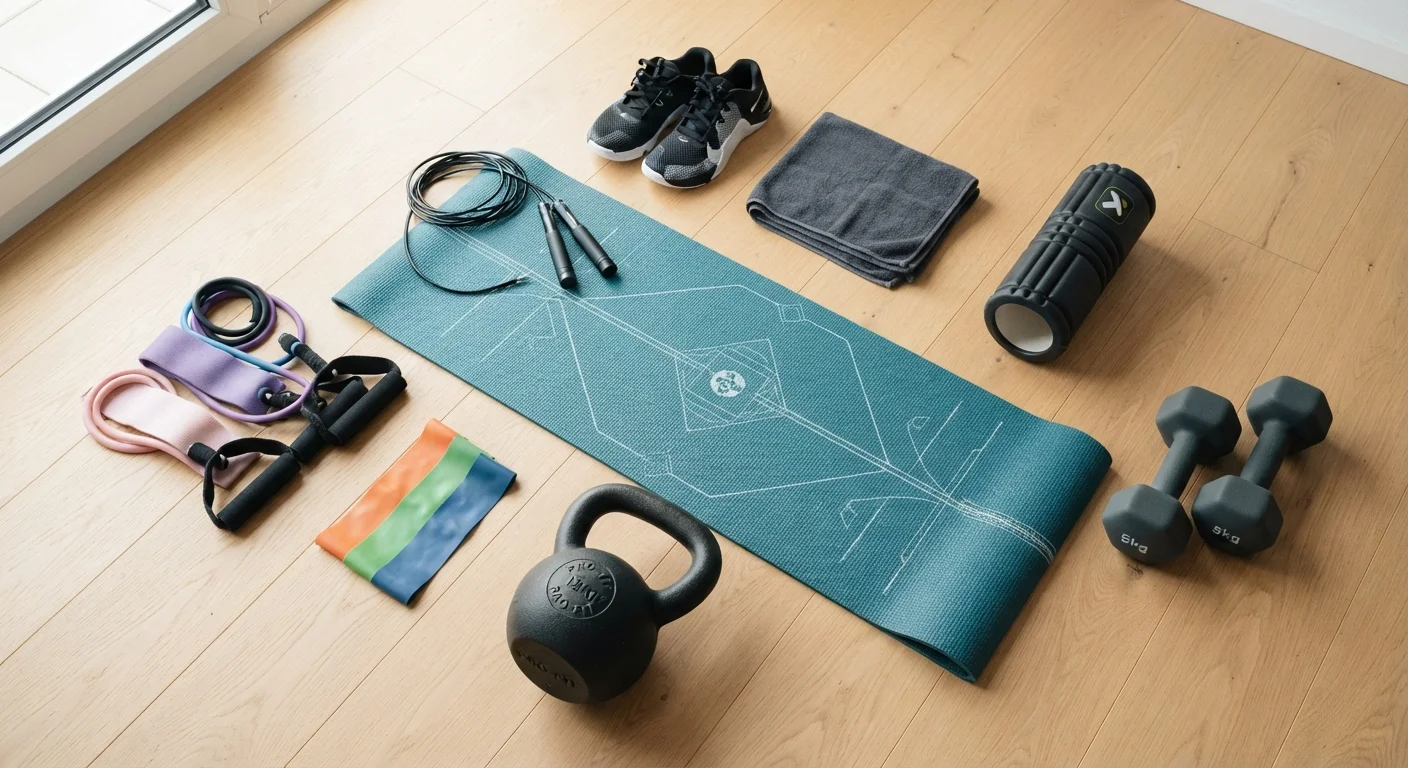
- Resistance training (controlled): Lifting weights through controlled ranges of motion is inherently low-impact when explosive or ballistic moves are avoided.
For a broader reference on workout formats, this plain-language exercise format guide covers the full spectrum from LISS to plyometrics.
Intensity Is Still in Your Control
Going low-impact doesn't mean coasting. On a stationary bike, for example, you can increase resistance and cadence to reach a vigorous cardiovascular effort — with zero landing force on your joints. Use perceived exertion or heart rate to gauge how hard you're working, independent of the impact category.
Who Benefits Most from Low-Impact Training?
Low-impact workouts are especially well-suited to several groups — but they're not exclusively for people with limitations.
Those managing joint conditions or injury recovery
Reduced ground reaction force means less aggravation of sensitive joints. People with osteoarthritis, tendinopathy, or those returning from lower-body injuries often find they can sustain longer, more consistent exercise sessions when impact is removed.
Beginners building a base
New exercisers benefit from accumulating volume and building movement habits without the injury risk that can come from jumping straight into high-impact training. Walking, cycling, and bodyweight circuits make strong starting points.
Older adults
Joint cartilage naturally thins with age, making high-impact loading more uncomfortable and potentially harmful over time. Low-impact formats allow older adults to maintain cardiovascular health, muscle strength, and balance without unnecessary wear.
Pregnant individuals
Many healthcare providers recommend low-impact activity during pregnancy to support fitness while protecting joints affected by relaxin (a hormone that loosens connective tissue). Anyone who is pregnant should consult their healthcare provider before continuing or starting any exercise program.
Experienced exercisers managing load
High-mileage runners, competitive athletes, and regular gym-goers often use low-impact cross-training to maintain fitness while allowing high-impact tissues to recover. Cycling or swimming on rest days is a common strategy. This connects to a broader question about how structured workouts and everyday activity fit together — structured workouts vs. lifestyle activity explores that balance.
Low-Impact vs. High-Impact: Choosing Based on Your Goals
Neither category is universally superior. The right choice depends on your current health, goals, and tolerance for recovery.
2–3×
Body weight force at each running stride
Research in biomechanics consistently estimates that running generates ground reaction forces roughly two to three times a person's body weight per footfall, compared to much lower forces during walking.
~150 min
Weekly moderate-intensity activity recommended for adults
The U.S. Department of Health and Human Services Physical Activity Guidelines for Americans recommend at least 150 minutes of moderate-intensity aerobic activity per week — a target that low-impact formats can fully meet.
30%
Adults reporting joint pain as a barrier to exercise
Survey data from the CDC and related public health research consistently identify joint pain as one of the most commonly reported barriers to regular physical activity among American adults.
High-impact training offers advantages that low-impact formats can't fully replicate: greater bone-density stimulus, higher caloric expenditure per minute in many cases, and sport-specific training adaptations. For a direct comparison of two common high-intensity approaches, HIIT vs. steady-state cardio breaks down the trade-offs clearly.
For most people, the best long-term approach is a mix. Low-impact sessions provide the volume and consistency that underpin fitness progress, while strategic higher-impact work — when appropriate — builds qualities that complement them. Whether you're training at home or in a gym, the same principles apply; home vs. gym workouts covers what actually changes between settings.
This article is for general informational purposes only and does not constitute medical advice. Consult a qualified healthcare professional before beginning a new exercise program, especially if you have an existing health condition, injury, or are pregnant.