Why Sleep Is a Health Pillar, Not a Luxury
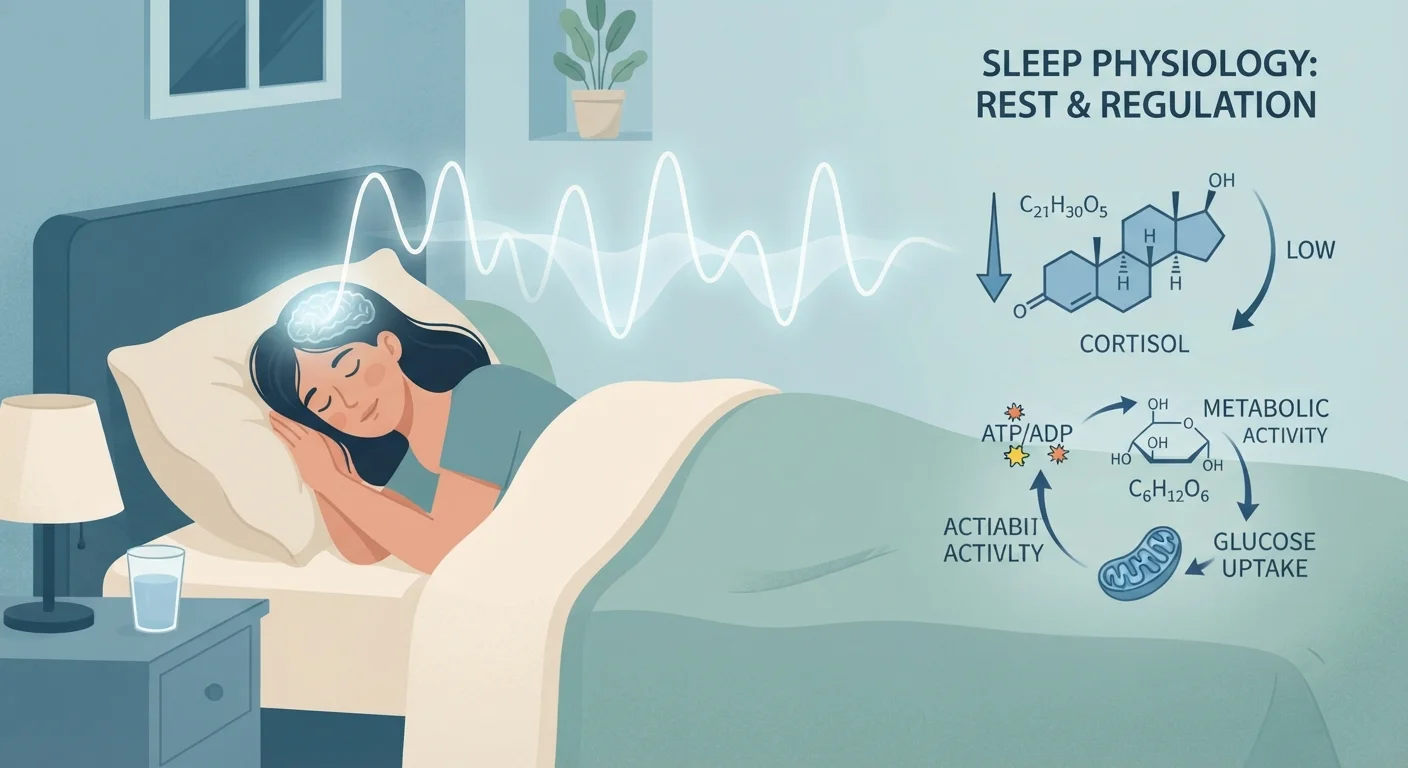
Sleep is often the first thing people sacrifice when schedules get tight — but the body does not treat it as optional. During sleep, the brain consolidates memories, the cardiovascular system gets a period of reduced demand, hormones that regulate appetite and metabolism are balanced, and the immune system performs critical maintenance. When this nightly restoration is cut short consistently, those processes are repeatedly interrupted.
The science of sleep cycles helps explain why duration alone does not tell the full story. Deep slow-wave sleep and REM (rapid eye movement) sleep serve distinct biological functions. Chronic sleep loss tends to disproportionately reduce these high-value stages, which is part of why the downstream effects on health are so broad.
1 in 3
American adults sleep less than recommended
According to data from the Centers for Disease Control and Prevention (CDC), approximately one in three U.S. adults report regularly sleeping fewer than seven hours per night.
~48%
Higher cardiovascular risk with short sleep
A large meta-analysis published in the European Heart Journal found that short sleep duration (under six hours) was associated with significantly elevated cardiovascular disease risk compared to adequate sleepers.
7–9 hrs
Recommended nightly sleep for adults
The American Academy of Sleep Medicine and the Sleep Research Society jointly recommend seven to nine hours of nightly sleep for adults to support optimal health.
Cardiovascular and Metabolic Consequences
Epidemiological research has consistently found associations between short sleep duration and elevated risk of cardiovascular disease, including hypertension, coronary artery disease, and stroke. One mechanism involves the stress hormone cortisol: inadequate sleep tends to keep cortisol levels elevated, which sustains higher blood pressure and promotes inflammation in artery walls over time.
The metabolic picture is equally concerning. Chronic sleep loss is associated with impaired insulin sensitivity and disrupted regulation of the hormones leptin and ghrelin, which govern hunger and satiety. This helps explain why people who regularly sleep too little tend to report stronger cravings for calorie-dense foods. For a closer look at these hormonal pathways, see our article on sleep, stress, and metabolism.
Cognitive and Emotional Effects Over Time
The brain is particularly vulnerable to sleep deprivation. Even moderate, chronic shortfalls — consistently sleeping six hours instead of eight — are associated with measurable declines in attention, working memory, and decision-making speed. Importantly, people in this state often underestimate their own impairment, which can make the effects harder to self-detect.
Emotionally, inadequate sleep reduces the brain's capacity to regulate reactions to stress. The amygdala — the region involved in threat processing — becomes more reactive, while the prefrontal cortex's moderating influence weakens. Over the long term, this pattern is associated with elevated risk of anxiety and depressive symptoms. Sleep is not simply rest for the body; it is active maintenance for mental health.
Immune Function and Broader Systemic Risks
During sleep, the immune system releases cytokines — proteins that help coordinate the body's response to infection and inflammation. Consistently short sleep reduces the production of these protective molecules, which is why people who sleep poorly tend to get sick more frequently and may take longer to recover from illness.
Chronic sleep loss is also associated with low-grade systemic inflammation, which researchers consider a contributing factor across a range of chronic conditions. While sleep is not the only variable involved in these outcomes, it is one of the most modifiable. Building better sleep habits is an accessible, evidence-grounded step toward reducing long-term risk. The Better Sleep Habits hub offers practical guidance on structuring your evenings and environment for more consistent rest.
For a comprehensive view of how all dimensions of sleep — biology, environment, and behavior — interact, the full picture on sleep is a valuable resource.
This article is for general informational and educational purposes only and is not a substitute for professional medical advice, diagnosis, or treatment. If you have concerns about your sleep or health, please consult a qualified healthcare provider.