How Sleep Biology Actually Works
Sleep isn't a passive state — it's an active, tightly regulated biological process governed by two overlapping systems. The first is the circadian rhythm, an internal 24-hour clock located in the brain's suprachiasmatic nucleus that coordinates the release of hormones, including melatonin, in response to light exposure. The second is sleep pressure (also called homeostatic drive), the accumulating biochemical signal — primarily driven by adenosine — that builds the longer you stay awake and dissipates as you sleep.
Together, these systems determine when you feel alert, when you feel sleepy, and how restorative your sleep actually is. Disrupting either — through irregular schedules, artificial light at night, or caffeine (which blocks adenosine receptors) — degrades sleep quality even when total hours in bed remain adequate.
Sleep itself cycles through distinct stages roughly every 90 minutes: lighter non-REM stages, deep slow-wave sleep critical for physical restoration, and REM sleep essential for memory consolidation and emotional regulation. Shortchanging any stage has measurable consequences. For a deeper dive into the science behind these systems, the Sleep Science hub offers extensive evidence-based resources.
Building an Evening Routine That Signals Sleep
The brain benefits from predictable pre-sleep cues. A consistent wind-down routine — begun roughly 60 to 90 minutes before bed — helps lower cortisol levels, reduce core body temperature, and shift the nervous system toward a parasympathetic (rest-and-digest) state.
Practical habits supported by behavioral sleep medicine research include:
- Dimming overhead lights in the hour before bed to support melatonin rise.
- Avoiding screens or using blue-light filters, since short-wavelength light suppresses melatonin production.
- Setting a consistent wake time seven days a week — this anchors your circadian rhythm more effectively than focusing on bedtime alone.
- Limiting caffeine after early afternoon, as its half-life means afternoon consumption still affects sleep architecture at night.
- Avoiding large meals within two to three hours of bed, which can disrupt sleep through digestive activity and acid reflux.
Anchor your schedule to a fixed wake time rather than a fixed bedtime — your circadian clock is set primarily by when light exposure begins each morning, not when you decide to lie down.
Behavioral sleep medicine research consistently shows that a stable wake time is the single most reliable lever for consolidating sleep and correcting circadian drift.
If you can't fall asleep after roughly 20 minutes, leave the bed and do something quiet and low-light until sleepiness returns — this preserves the bed's association with sleep rather than wakefulness.
Stimulus control therapy, a core component of CBT-I, works by rebuilding the conditioned association between the bed and sleepiness that chronic insomnia often erodes.
For comprehensive behavioral guidance, evidence-based sleep hygiene habits are explored in depth in a dedicated resource covering lifestyle and behavioral factors.
Your Sleep Environment: The Physical Factors That Matter
The conditions inside your bedroom are not merely a comfort preference — they interact directly with sleep biology. Three variables consistently emerge in sleep research as the most consequential:
- Temperature
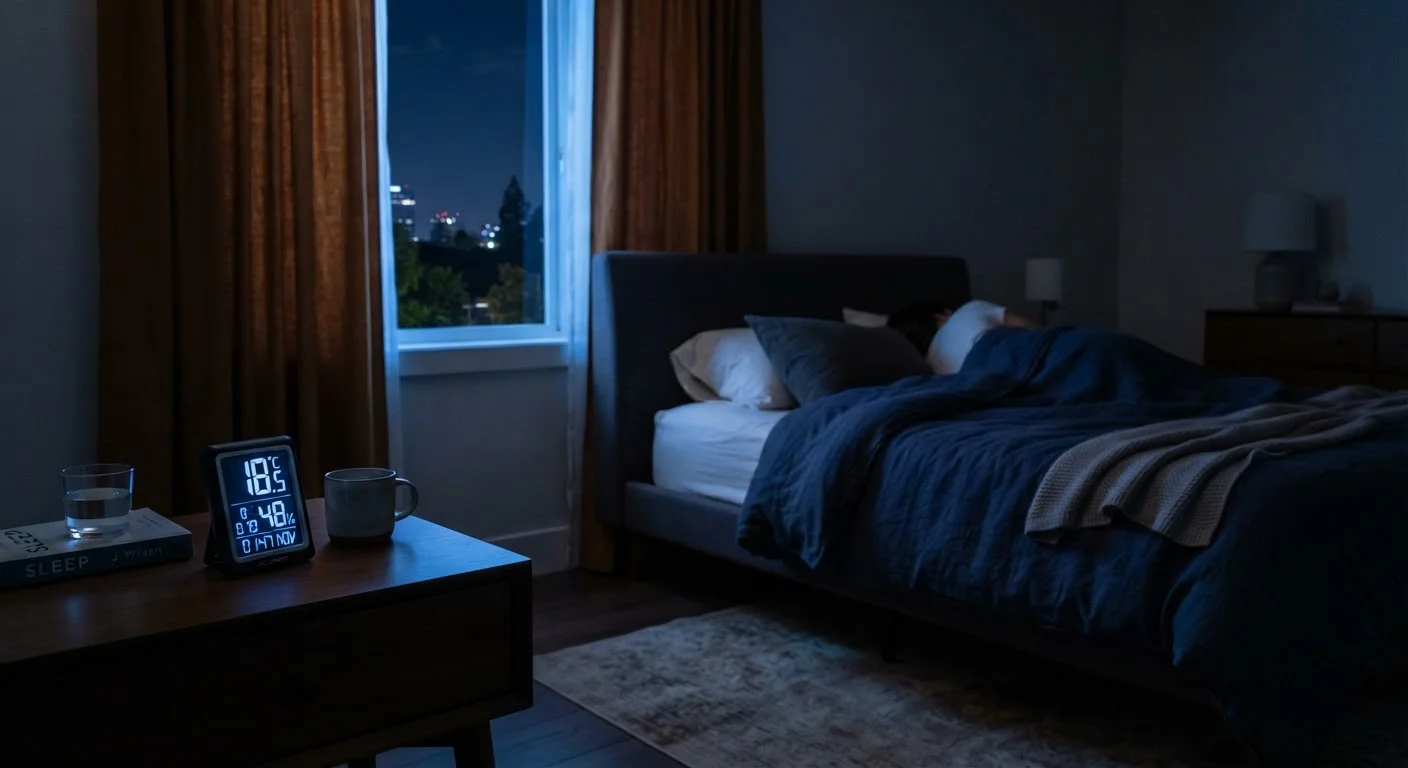
- Core body temperature naturally drops at sleep onset. A cooler bedroom — generally in the range of 65–68°F (18–20°C) for most adults — supports this thermoregulatory process. A room that is too warm can fragment sleep and reduce slow-wave depth.
- Light
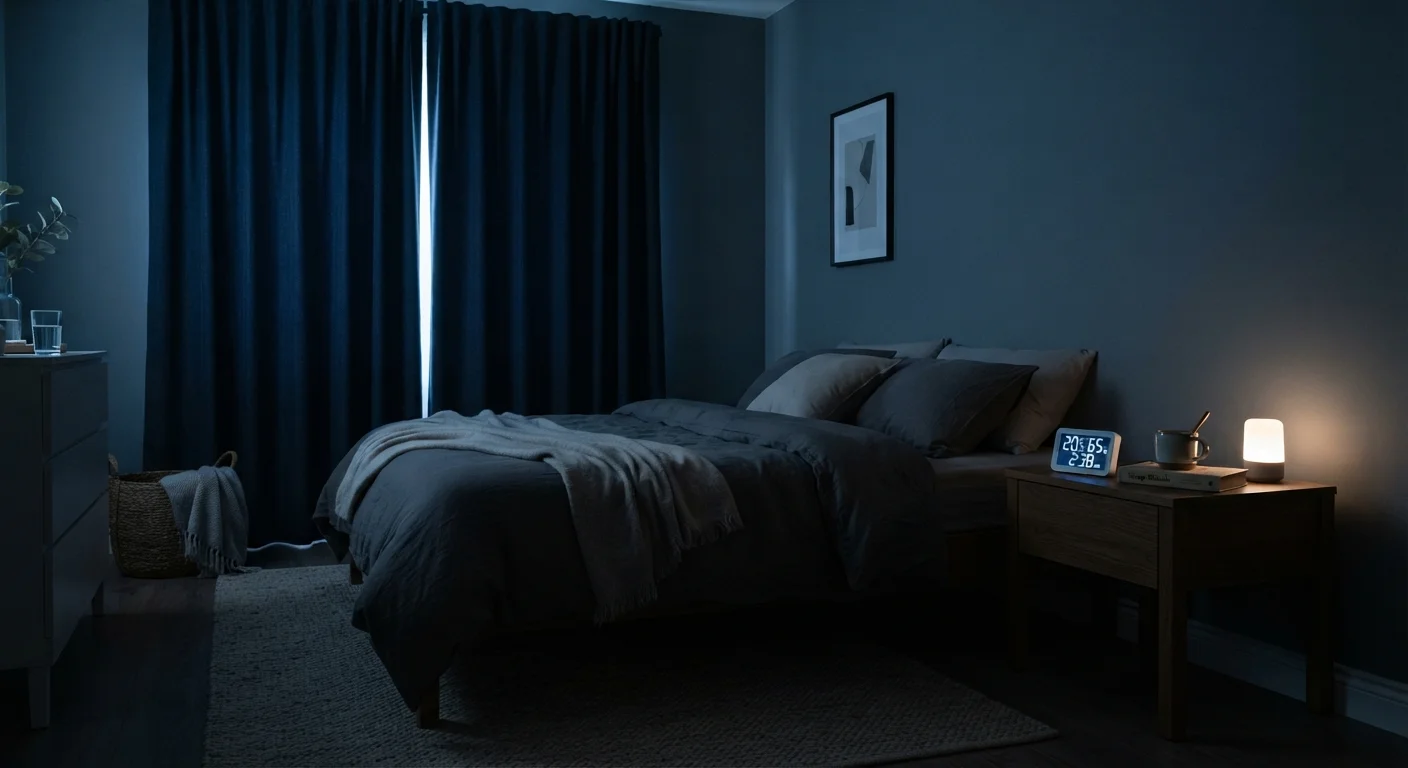
- Even dim light exposure during sleep can suppress melatonin and shift circadian timing. Blackout curtains or a sleep mask are among the most evidence-supported environmental interventions.
- Noise
- Sounds above roughly 40 decibels during sleep can trigger brief arousals that fragment sleep architecture, even when the sleeper doesn't fully wake. Consistent background sound (such as white noise) can mask variable intrusive noise effectively.
See how temperature, sound, and light each affect rest for a detailed practical reference, and how these factors interact with sleep biology for the underlying science. You can also explore what the science suggests about bedroom environment and sleep quality.
Recognizing When Sleep Problems Need Professional Attention
Occasional poor sleep is universal. Persistent difficulties are a different matter. Several patterns consistently signal that a healthcare evaluation is warranted:
- Chronic insomnia: Difficulty falling or staying asleep at least three nights per week for three or more months, causing daytime impairment.
- Excessive daytime sleepiness: Feeling unable to stay alert during normal waking activities despite adequate time in bed.
- Loud, irregular snoring or witnessed breathing pauses: These are hallmark signs of obstructive sleep apnea (OSA), a condition linked to cardiovascular risk if left untreated.
- Restless limbs or crawling sensations: Possible indicators of restless legs syndrome (RLS), which is both diagnosable and treatable.
- Behavioral disturbances during sleep: Acting out dreams, sleepwalking, or sleep terrors in adults can reflect REM sleep behavior disorder or other parasomnias.
When to Seek Help Without Delay
If you or a partner notices stopped breathing, gasping, or choking during sleep, schedule a medical evaluation promptly — these are signs of obstructive sleep apnea, which carries serious cardiovascular and metabolic consequences when unmanaged. Similarly, if chronic insomnia is significantly impairing your daytime function, work, or mental health, a sleep specialist or your primary care provider can connect you with effective, evidence-based treatments. Do not rely solely on over-the-counter sleep aids as a long-term solution without professional guidance.
Cognitive Behavioral Therapy for Insomnia (CBT-I) is considered the first-line treatment for chronic insomnia by major sleep medicine organizations — more effective long-term than sleep medication for most adults. A qualified sleep specialist or behavioral sleep medicine provider can assess and guide appropriate treatment.
Putting It All Together
Restful, restorative sleep emerges from the intersection of biology, behavior, and environment — not from any single intervention. Understanding your circadian biology helps you work with your body's natural timing. Consistent evening habits reinforce the neurological cues that initiate sleep. An optimized bedroom removes the physical barriers that fragment it. And recognizing the signs of a genuine sleep disorder ensures you seek timely, effective care rather than managing symptoms indefinitely.
For ongoing support, the Sleep & Recovery hub brings together evidence-based strategies across all dimensions of sleep health.
This article is for general informational and educational purposes only and is not a substitute for professional medical advice, diagnosis, or treatment. If you have concerns about your sleep health, please consult a qualified healthcare provider.