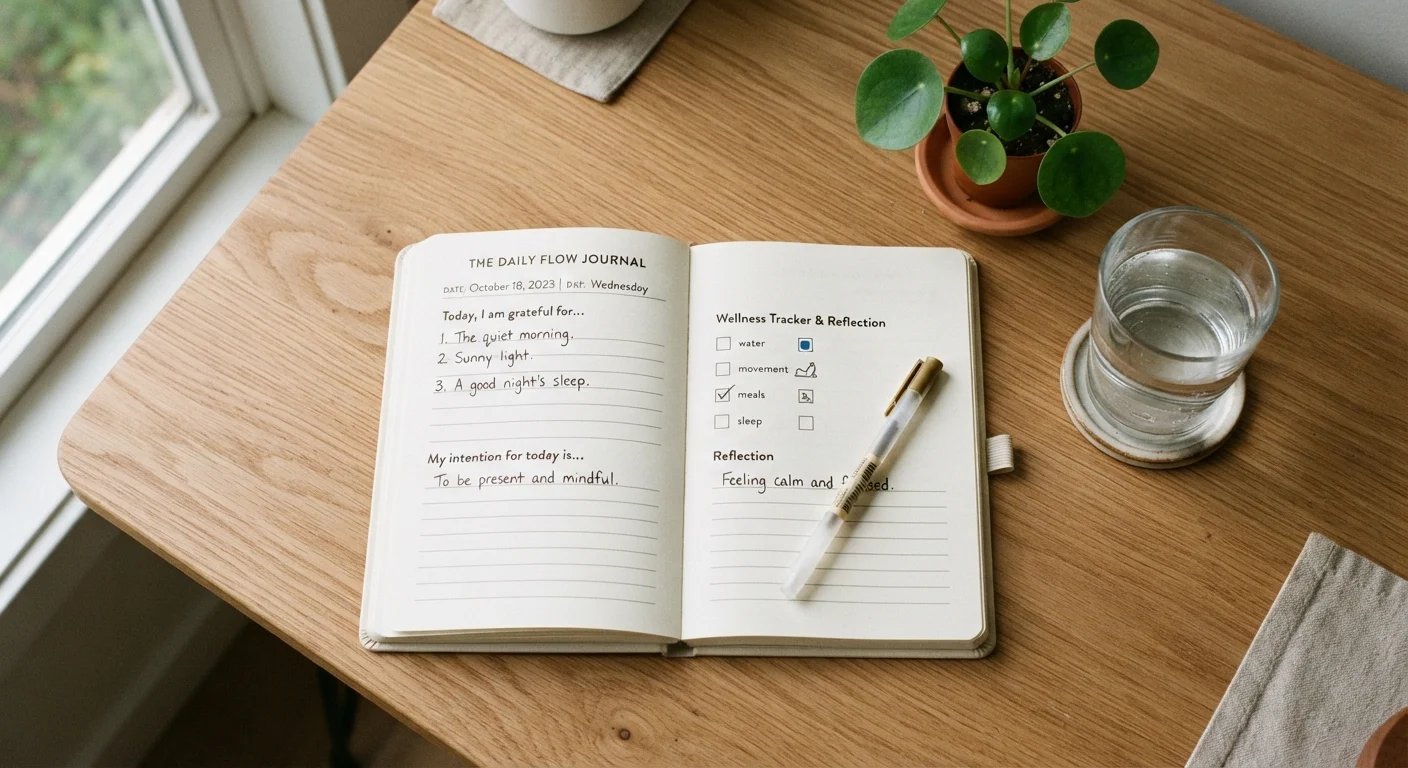

Why a Stress Self-Assessment Is Worth Your Time
Stress is one of those things that builds gradually — so gradually, in fact, that many people don't recognize how burdened they've become until they're already running on empty. A structured self-assessment gives you a moment to pause, step back, and honestly evaluate what your mind and body are telling you.
Research consistently shows that self-awareness is a foundational skill for stress management. When you can name what you're experiencing and where it's showing up, you're better positioned to respond intentionally rather than reactively. Think of this checklist as a mirror — not a judgment — that helps you see your current state more clearly.
If you're new to tracking your internal experience, our starter's guide to stress awareness walks through the basics of recognizing early warning signs. For a broader look at how stress fits into your everyday habits, the Stress Management hub offers a range of accessible tools and techniques.
Work through the checklist below honestly. Check every item that has applied to you over the past two weeks. There are no right or wrong answers — only useful information.
Journal or Notebook
Record your responses and any reflections that come up as you work through the checklist.
Quiet, Private Space
Allows you to reflect honestly without distraction or concern about being observed.
Timer (optional)
Setting a 10–15 minute window can help you stay focused and complete the checklist in one sitting.
Trusted Mental Health Professional
A therapist or counselor can help you interpret your results and develop a personalized plan if needed.
The Self-Assessment Checklist
Go through each group at your own pace. If an item resonates — even partially — count it. The goal is honest reflection, not a perfect score.
Physical Signs
Emotional Signs
Behavioral Signs
Social and Cognitive Signs
When to Seek Professional Support
If you're experiencing thoughts of self-harm, hopelessness, or symptoms that significantly interfere with daily functioning, please reach out to a qualified mental health professional or contact a crisis line promptly. This checklist is an educational self-reflection tool and is not a diagnostic instrument. It cannot replace a clinical evaluation by a licensed provider.
When you're done, count your checked items per group. If you've checked three or more items in any single category, or five or more items across the full checklist, that's a meaningful signal worth paying attention to. Consider sharing your results with a licensed mental health professional who can help you interpret them in the context of your life.
What to Do With Your Results
A checklist like this is most useful when it leads somewhere. Once you've identified where stress is showing up most clearly for you, a few evidence-informed next steps can help:
- Physical signals: Prioritize sleep, gentle movement, and hydration. These aren't clichés — they are foundational to your body's stress-recovery systems.
- Emotional signals: Consider mood journaling as a way to track patterns and build emotional self-awareness over time.
- Behavioral signals: Review your daily structure using a daily routine audit — small habit gaps often amplify stress significantly.
- Social signals: Notice whether your coping strategies are still working for you. Our article on signs your coping strategies may need a rethink offers a practical framework.
For ongoing monitoring, a weekly stress check-in can help you track changes over time and notice whether your efforts are making a difference. You can also pair this assessment with a daily health habits audit for a fuller picture of your wellbeing.
This article is for general informational purposes only and is not a substitute for professional medical or mental health advice. If you are experiencing significant distress or symptoms that concern you, please consult a qualified healthcare provider.