What Makes a Protein 'Complete'?
Protein is made up of smaller units called amino acids. Of the roughly 20 amino acids used by the human body, nine are classified as essential — meaning the body cannot synthesize them on its own and must obtain them from food. These nine are: histidine, isoleucine, leucine, lysine, methionine, phenylalanine, threonine, tryptophan, and valine.
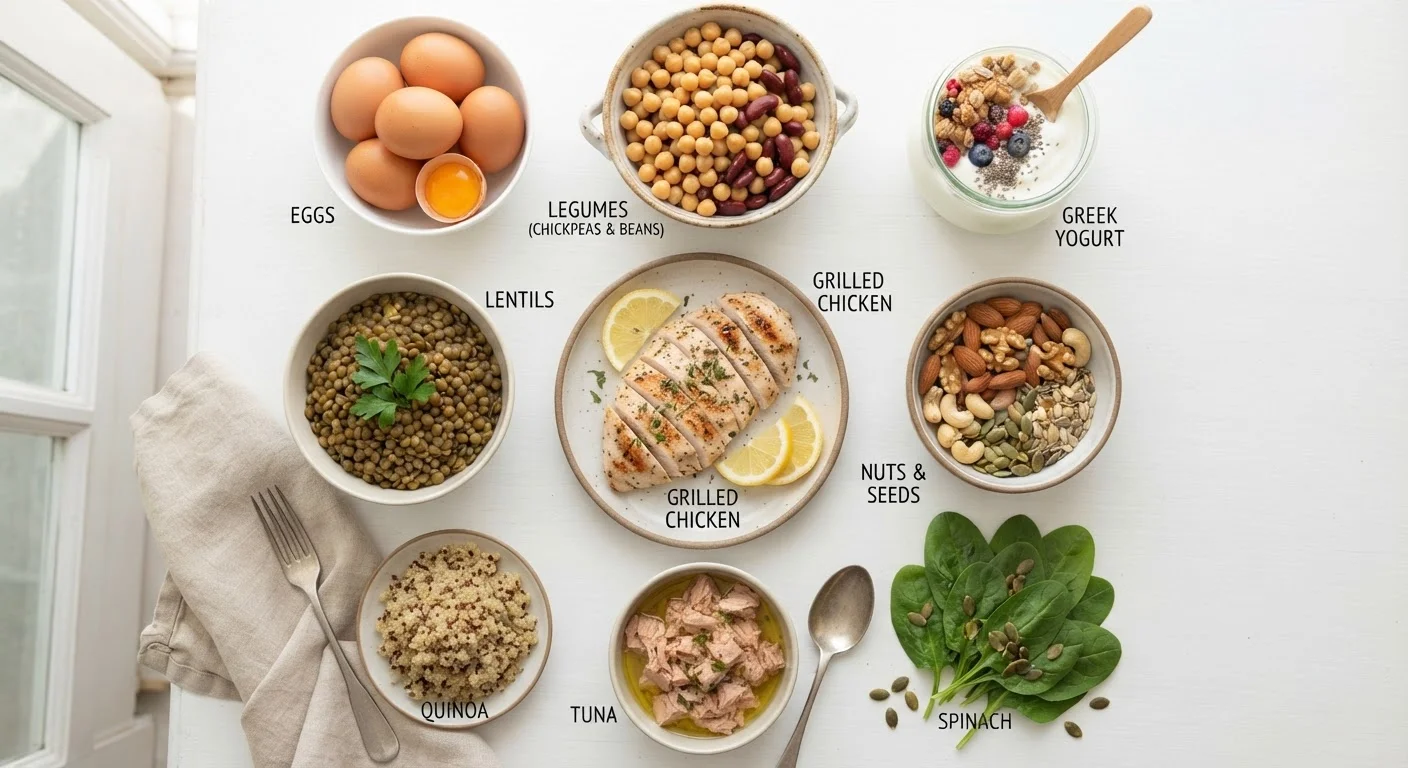
A complete protein contains all nine essential amino acids in amounts that broadly support the body's needs. Animal-derived foods — including beef, poultry, fish, eggs, and dairy — are the most familiar examples. Among plant foods, quinoa, soy products (tofu, tempeh, edamame), and buckwheat are well-documented complete protein sources, which makes them particularly valuable in plant-forward diets.
An incomplete protein is missing or has very low levels of one or more essential amino acids. Most plant foods fall into this category — including beans, lentils, rice, wheat, nuts, and seeds. That does not make them poor nutritional choices; it simply means relying on variety is important.
| Criterion | Complete Proteins | Incomplete Proteins |
|---|---|---|
| Essential amino acids | All 9 present | One or more missing or low |
| Primary food sources | Meat, eggs, dairy, fish | Beans, lentils, rice, nuts, seeds |
| Plant-based options | Quinoa, soy, buckwheat | Most grains, legumes, vegetables |
| Strategy needed | Single food sufficient | Variety or pairing across the day |
| Nutritional value | High protein density | High in fiber, micronutrients |
| Typical diet context | Omnivore diets | Vegetarian and vegan diets |
Complementary Proteins: Making Incomplete Sources Work
The concept of complementary proteins describes pairing two or more incomplete protein sources so their amino acid profiles fill each other's gaps. A classic example is rice and beans: rice is low in lysine but adequate in methionine, while beans are rich in lysine but lower in methionine. Together they provide a more complete amino acid profile.
Importantly, research and dietary guidance from organizations such as the Academy of Nutrition and Dietetics indicate that these complementary foods do not need to be eaten at the same meal. Spreading varied plant proteins across the day is sufficient for most healthy adults. This shifts the focus from meal-by-meal precision to overall daily dietary pattern — a more practical standard for everyday eating.
Other well-known complementary pairings include peanut butter on whole-grain bread, lentil soup with a whole-grain roll, and hummus with pita. These combinations have been dietary staples across many cultures long before the science was formalized. For a deeper look at common misconceptions about how much protein people actually need and when, see common misunderstandings about protein intake.
Practical Implications for Your Daily Plate
For most Americans eating a mixed diet that includes animal products, obtaining all essential amino acids is rarely a concern — complete proteins show up at most meals. The more meaningful question tends to be overall protein quantity, not amino acid completeness.
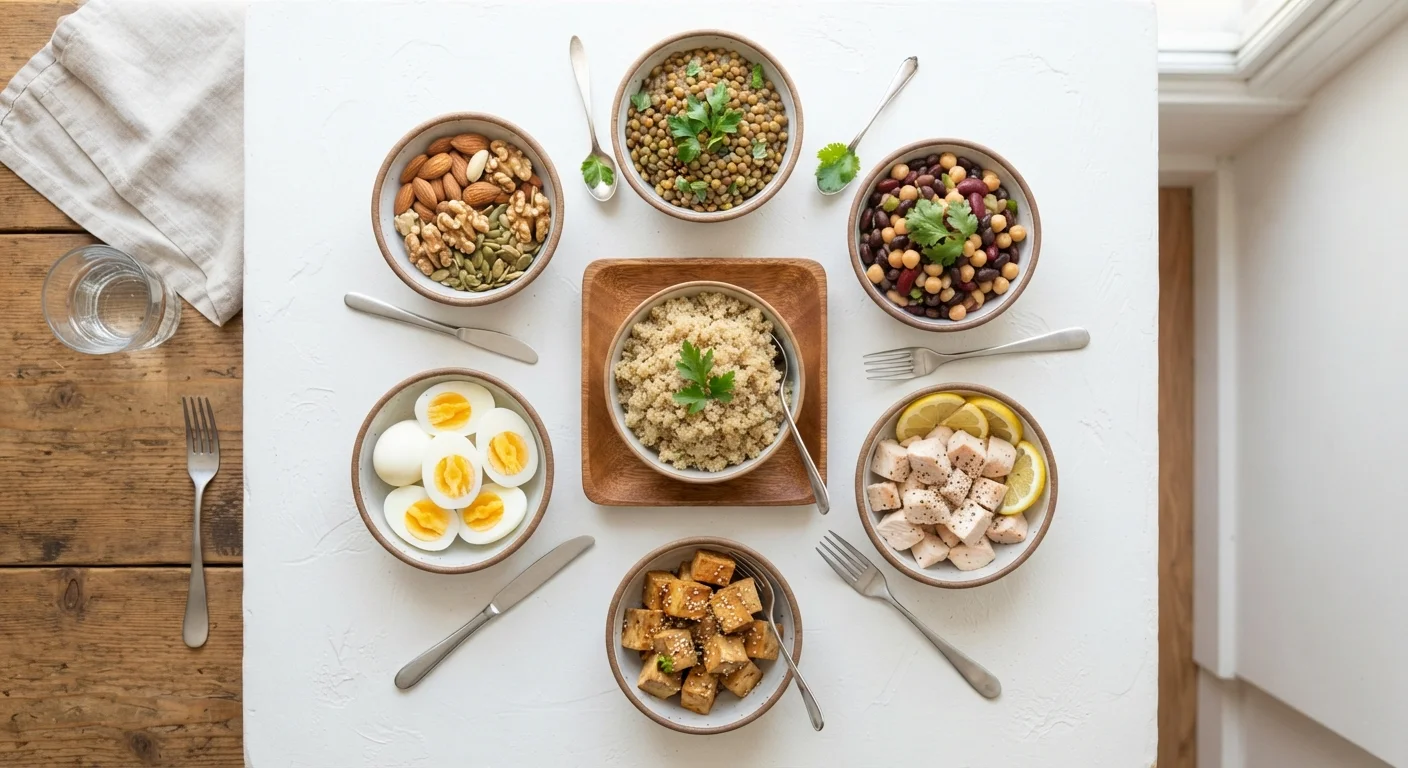
For those following vegetarian or vegan eating patterns, intentional variety is the key strategy. Regularly rotating legumes, whole grains, nuts, seeds, and soy-based foods provides broad amino acid coverage without requiring complicated meal planning. Incorporating a confirmed plant-based complete protein — such as tofu or quinoa — at least a few times a week can also offer a reliable anchor.
Special populations — including pregnant individuals, older adults, and people managing chronic conditions — may have different protein needs. Those groups are encouraged to work directly with a registered dietitian or qualified healthcare provider for personalized guidance.
This article is for general informational and educational purposes only and does not constitute medical or dietary advice. Consult a qualified healthcare professional for guidance specific to your health needs.