
Why Fiber Doesn't Fit the Usual Carbohydrate Story
When most people think about carbohydrates, they picture glucose — the fuel that powers muscles and the brain. Starches and sugars are broken down by digestive enzymes into glucose, which then enters the bloodstream. Fiber is built from the same basic building blocks as other carbohydrates, but human digestive enzymes cannot sever the bonds holding fiber molecules together.
The result is that fiber travels through the stomach and small intestine largely unchanged, reaching the large intestine in a form that is essentially undigested. That journey — and what happens at the end of it — is what gives fiber its distinctive role in the diet. See how your body processes other carbohydrates to understand why fiber's path is so unusual by comparison.
Soluble vs. Insoluble: Two Types, Two Jobs
Dietary fiber is not a single substance — it is a broad category that includes two functionally distinct types, and most plant foods contain a mix of both.
Soluble fiber dissolves in water to form a viscous, gel-like material in the digestive tract. This gel slows the movement of food through the small intestine, which has a moderating effect on how quickly glucose enters the bloodstream. Oats, barley, apples, citrus fruits, and legumes are particularly rich in soluble fiber. Some types of soluble fiber also serve as fuel for beneficial gut bacteria — a process called fermentation — contributing to a healthy gut microbiome.
Insoluble fiber does not dissolve in water. Instead, it absorbs water and adds physical bulk to stool, which helps move waste through the colon and supports regular bowel movements. Whole wheat, bran, and many vegetables are strong sources. Insoluble fiber is particularly important for digestive regularity.
~5%
Americans meeting daily fiber recommendations
Research published in the American Journal of Lifestyle Medicine estimates that only about 5% of Americans consume adequate dietary fiber.
14g
Fiber recommended per 1,000 calories consumed
The Dietary Guidelines for Americans use this ratio as the standard fiber intake benchmark for the general adult population.
15g+
Fiber in one cup of cooked lentils
Lentils are among the most fiber-dense single foods, making legumes a highly efficient way to increase daily fiber intake.
What Fiber Actually Does in the Body
Because fiber is not absorbed as glucose, it does not raise blood sugar the way digestible carbs do. This matters for understanding how different carbohydrate-containing foods affect energy levels and satiety. Simple vs. complex carbs differ in how fast they digest, but fiber adds a separate layer — it actively slows digestion and prolongs feelings of fullness by occupying physical space in the stomach and slowing gastric emptying.
Fiber also feeds the microbiome. When soluble fiber reaches the large intestine, bacteria ferment it and produce short-chain fatty acids. These compounds nourish the cells lining the colon and play a role in supporting immune function and reducing inflammation. Research in this area is ongoing, and scientists continue to investigate the full scope of fiber's influence on gut health.
Population-level dietary research consistently associates higher fiber intake with a lower risk of cardiovascular disease, type 2 diabetes, and certain digestive conditions. These are associations, not guarantees — but they reflect a robust and consistent pattern across studies conducted over decades.
Getting More Fiber From Everyday Foods
The Dietary Guidelines for Americans set a general fiber target of 14 grams per 1,000 calories consumed. Despite this guidance, surveys suggest the average American consumes only about half the recommended amount. The gap is primarily explained by diets heavy in refined grains and processed foods, which have had much of their fiber removed during manufacturing.
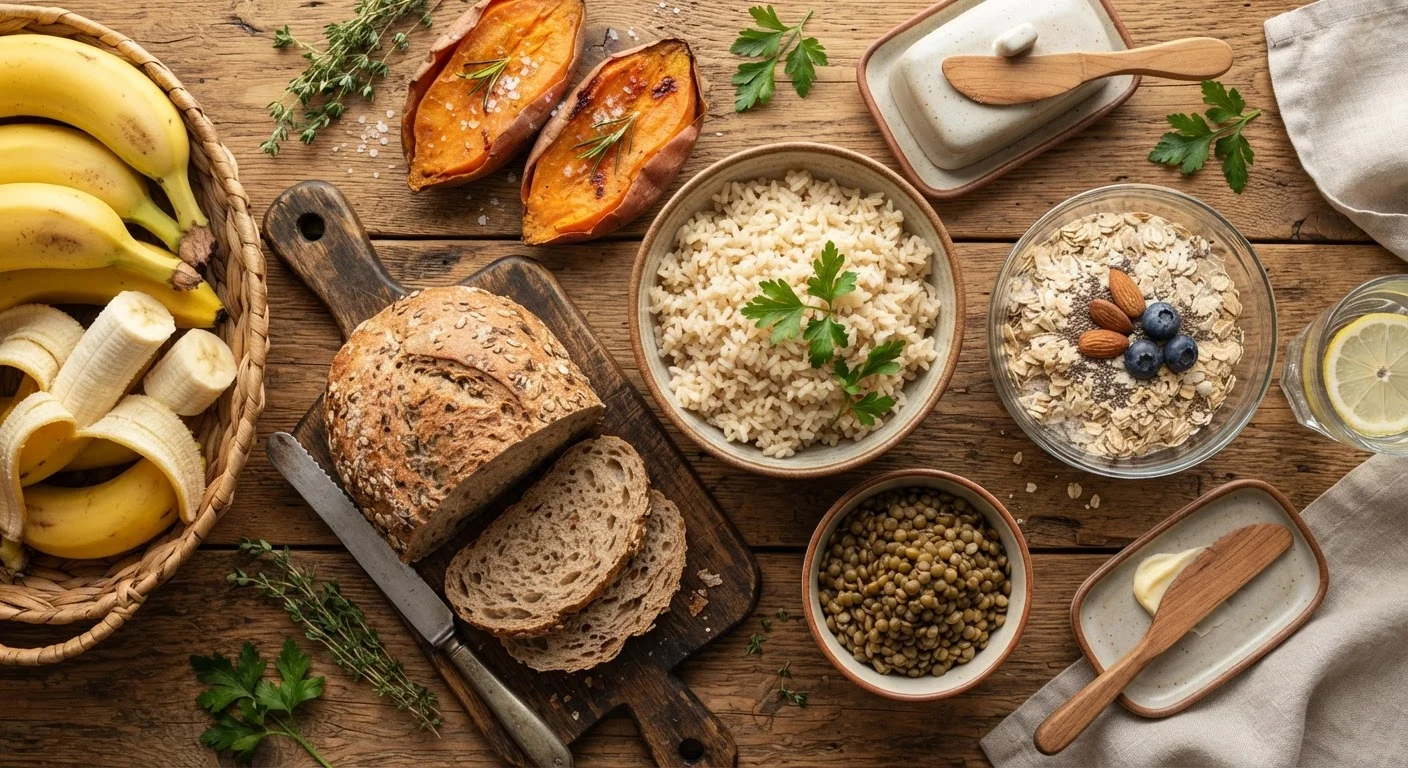
Increasing fiber intake does not require dramatic dietary overhauls. Swapping white bread for whole grain versions, choosing oats over refined cereals, adding beans or lentils to soups and salads, and eating fruit with the skin on are practical, low-effort steps. Aiming for a wide variety of plant foods helps ensure a balance of both fiber types.
One caution: increasing fiber intake rapidly can cause temporary bloating or gas. Introducing more fiber gradually — over several weeks — and drinking plenty of water generally allows the digestive system to adapt comfortably. People with inflammatory bowel conditions or other gastrointestinal concerns should consult a healthcare professional before making significant changes to their diet.
This article is for general informational purposes only and does not constitute medical or dietary advice. Consult a qualified healthcare professional for guidance specific to your health needs.