
Understanding the Difference Between Folate and Folic Acid
Both folate and folic acid are forms of vitamin B9, an essential nutrient your body uses to make DNA, support cell division, and produce red blood cells. The terms are often used interchangeably, but they refer to chemically distinct compounds that your body handles differently.
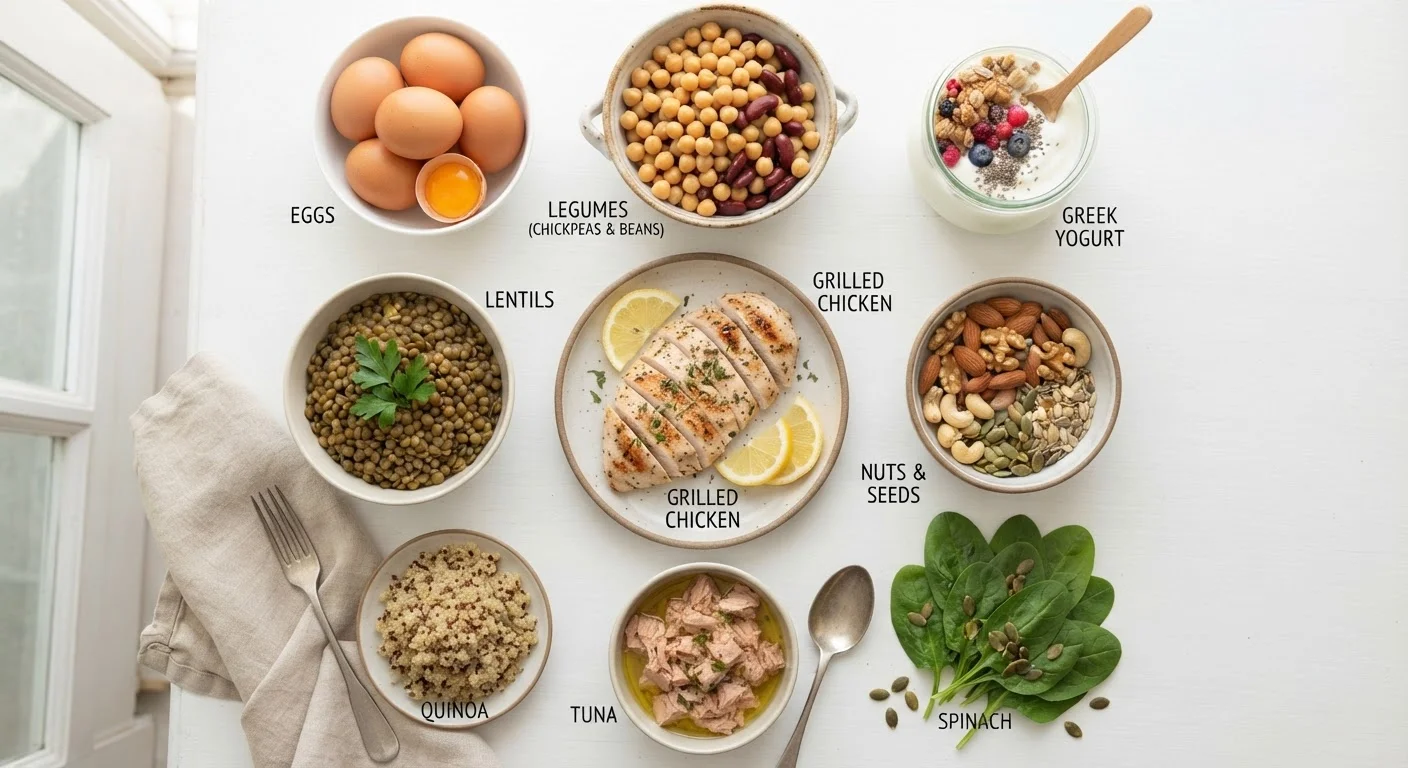
Folate is the umbrella term for naturally occurring B9 compounds found in food. You'll find it in dark leafy greens like spinach and romaine, legumes such as lentils and black-eyed peas, asparagus, broccoli, avocado, and eggs. These compounds exist in various chemical forms that your small intestine breaks down before absorption.
Folic acid, by contrast, is a fully oxidized, synthetic molecule that doesn't appear in nature. Because it's stable at room temperature and has a long shelf life, it's used in dietary supplements and in U.S. food fortification — meaning it's added to enriched bread, pasta, rice, and cereals by federal mandate since 1998.
| Criterion | Folate | Folic Acid |
|---|---|---|
| Origin | Naturally occurring in food | Synthetic, lab-made |
| Common sources | Leafy greens, legumes, eggs | Supplements, fortified grains |
| Stability | Degrades with heat and light | Shelf-stable, heat-resistant |
| Absorption rate | ~50% from food | ~85% when taken with food |
| Conversion pathway | Gut enzymes → liver → 5-MTHF | Absorbed intact → DHFR enzyme → 5-MTHF |
| MTHFR gene impact | Less affected by variant | Conversion may slow with variant |
| Pregnancy guidance | Supportive through diet | Specifically recommended (CDC/USDA) |
The practical takeaway: when you eat a spinach salad, you're getting folate. When you take a standard prenatal vitamin or eat fortified cereal, you're getting folic acid. Both ultimately support the same biological functions, but how quickly and completely your body puts them to work differs.
How Each Form Is Processed in the Body
Regardless of which form you consume, your body's goal is to produce 5-methyltetrahydrofolate (5-MTHF) — the active molecule that cells can actually use. The path to get there is where folate and folic acid diverge.
Food folate is broken down by enzymes in the gut wall and absorbed as a reduced compound, which then undergoes further conversion in the liver and bloodstream. Folic acid, being more stable, is absorbed intact from the digestive tract and requires a specific enzyme — dihydrofolate reductase (DHFR) — to reduce it into a usable form. This conversion step is generally efficient in healthy adults, but high doses of folic acid can briefly appear in the bloodstream as unmetabolized folic acid (UMFA) before being processed.
One factor that can affect this process is a common genetic variation in the MTHFR gene (methylenetetrahydrofolate reductase). Roughly 10–15% of the U.S. population carries a variant that reduces this enzyme's efficiency, potentially slowing the conversion of folic acid to 5-MTHF. Research on the clinical significance of MTHFR variants is still evolving, and most people — even those with variants — maintain adequate B9 status through diet. However, this is one reason some clinicians may recommend methylfolate-based supplements for certain individuals. Always discuss your personal situation with a qualified healthcare provider before changing your supplement form.
A Note on MTHFR Testing
Commercial MTHFR gene tests are widely available, but routine testing is not recommended for the general population by major medical organizations. Having an MTHFR variant does not automatically mean you are B9-deficient or need a special supplement form. If you have concerns about your folate metabolism or family history of neural tube defects, speak with a healthcare provider who can evaluate your full clinical picture.
Why It Matters for Everyday Nutrition
For most healthy adults eating a balanced diet, the folate vs. folic acid distinction is largely academic — the body manages both adequately. The Recommended Dietary Allowance (RDA) for adults is 400 micrograms of Dietary Folate Equivalents (DFE) per day, a measurement that already accounts for the difference in bioavailability between food folate (about 50% absorbed) and folic acid taken with food (about 85% absorbed).
Where the distinction genuinely matters:
- Pregnancy: Folic acid supplementation before conception and in the first trimester is strongly supported by evidence for reducing the risk of neural tube defects — serious birth anomalies affecting the brain and spine. The CDC recommends 400 mcg of folic acid daily for anyone who could become pregnant.
- Dietary gaps: People who eat few vegetables or rely heavily on ultra-processed foods may not get enough folate from whole foods alone and can benefit from fortified products or supplements.
- Certain medical conditions: Conditions affecting nutrient absorption — such as celiac disease or inflammatory bowel disease — may impair how well either form is taken up. This is a conversation for a healthcare provider.
Understanding both forms helps you read food labels more accurately and have more informed conversations with your doctor or registered dietitian about your nutrient needs.
This article is for general informational and educational purposes only and is not a substitute for professional medical advice, diagnosis, or treatment. Always consult a qualified healthcare provider before making changes to your diet or supplement routine, especially if you are pregnant, have a medical condition, or take medications.