
What Is the Thermic Effect of Food?
Your body is not a passive recipient of the calories you eat — it must actively work to break food down. That work costs energy. The thermic effect of food (TEF) refers to the increase in metabolic rate that follows eating, driven by the energy required to chew, swallow, digest, absorb, and store nutrients from a meal.
TEF is one of four distinct components that make up your total daily energy expenditure (TDEE). To understand how it fits into the bigger picture, see our overview of the four components of total daily energy expenditure. While resting metabolic rate dominates total calorie burn, TEF is a meaningful and often underappreciated contributor.
In practical terms, if you consume 2,000 calories in a day, roughly 160–300 of those calories will be used just to process what you ate. The proportion varies — and that variation is largely driven by which macronutrients your meals contain.
How Each Macronutrient Affects TEF
Not all calories are processed with equal efficiency. Each macronutrient requires a different level of metabolic effort to digest and convert into usable energy or stored fuel:
- Protein: 20–30% thermic effect. Protein is the most metabolically expensive macronutrient to process. Breaking down amino acids, synthesizing new proteins, and excreting nitrogen-containing waste products all demand substantial energy. This means that for every 100 calories of protein consumed, approximately 20–30 calories are spent just on digestion and metabolism.
- Carbohydrates: 5–10% thermic effect. Carbs require less processing than protein but more than fat. Converting glucose to glycogen (the stored form of carbohydrate) and supporting enzymatic digestion accounts for the energy cost. The thermic effect of carbohydrates also varies depending on fiber content and food processing — whole-food sources tend to require more digestive effort than refined ones.
- Dietary fat: 0–3% thermic effect. Fat is the most efficiently absorbed macronutrient. Its chemical structure makes it relatively easy for the body to digest and store, leaving almost no caloric cost in the process.
Understanding these differences helps explain why meal composition — not just total calorie count — plays a role in energy metabolism. Explore how macronutrient balance affects your body daily in the macronutrients hub.
20–30%
Thermic effect of protein
Research consistently shows protein requires the most energy of any macronutrient to digest, absorb, and metabolize.
8–15%
TEF as share of total daily energy expenditure
In most healthy adults, the thermic effect of food accounts for roughly 8–15% of total daily calorie burn, according to established metabolic research.
0–3%
Thermic effect of dietary fat
Fat is metabolically the least expensive macronutrient to process, with almost no caloric cost lost to digestion.
The Protein Advantage: Real but Limited
Protein's high thermic effect has generated considerable interest in nutrition research, and for good reason. Higher-protein diets are consistently associated with modest increases in total daily energy expenditure compared to lower-protein diets with the same total calorie count. This metabolic edge is one of several mechanisms through which adequate protein intake supports body composition goals.
However, it's important not to overstate this effect. TEF from protein is not a metabolic shortcut — it cannot overcome a large calorie surplus, and it does not replace the impact of physical activity on energy expenditure. For context, non-exercise activity thermogenesis (NEAT) — the calories burned through everyday movement outside of structured exercise — typically has a far greater influence on total daily calorie burn than TEF does.
“Protein's thermogenic effect is one of the most reproducible findings in nutrition science. It doesn't transform metabolism, but it is a real and quantifiable advantage — particularly for those managing body composition.”
— Donald Layman, Professor Emeritus of Nutrition, University of Illinois at Urbana-Champaign
Protein's thermogenic benefit works best as part of an overall dietary pattern, not in isolation. Individuals with specific health conditions, kidney concerns, or other considerations should consult a healthcare provider before significantly increasing protein intake.
Common Myths About Food and Metabolism
Several popular claims about food and metabolism misrepresent or exaggerate the role of TEF. Here are some of the most common misconceptions:
- Myth: Certain foods "boost" metabolism significantly. Foods like chili peppers or green tea have been studied for their potential thermogenic effects, but the documented impact on TEF is small and unlikely to influence body weight in any meaningful way. There are no foods that dramatically accelerate metabolism in healthy adults.
- Myth: Eating frequently keeps your metabolism elevated. Total daily TEF is determined primarily by total intake and macronutrient composition — not meal timing or frequency. Spreading the same calories across six meals versus three produces similar total thermic effects over the course of a day.
- Myth: Negative-calorie foods exist. Some foods — notably celery — are sometimes claimed to require more energy to digest than they provide. While these foods are very low in calories, there is no credible scientific evidence that any food has a true negative caloric value after accounting for digestion costs.
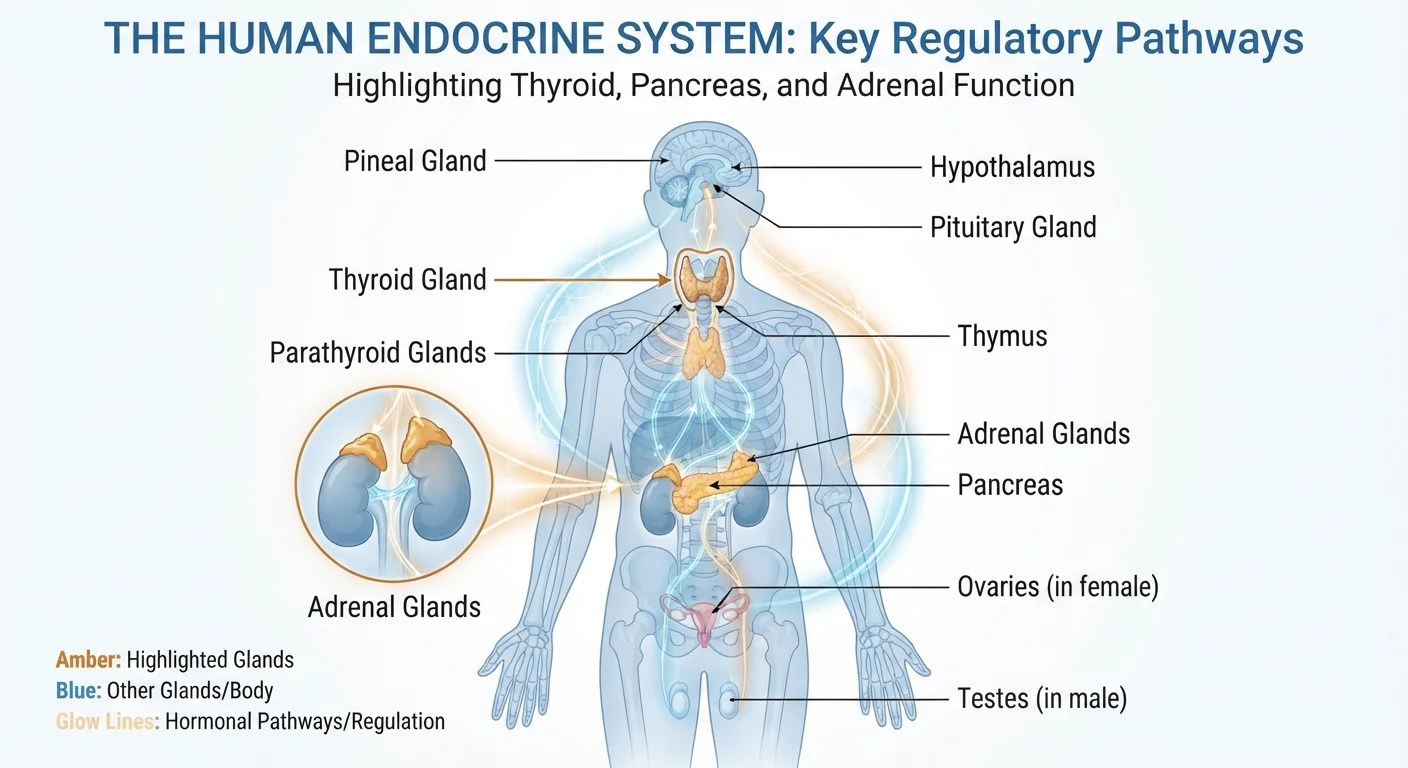
It's also worth noting that metabolic rate is influenced by many factors beyond diet, including hormonal regulation. For a broader look at this, see how thyroid, insulin, and cortisol affect metabolism.
This article is for informational purposes only and is not a substitute for personalized medical or nutritional advice. Consult a qualified healthcare professional for guidance specific to your health needs.