Why Hormones Matter for Metabolism
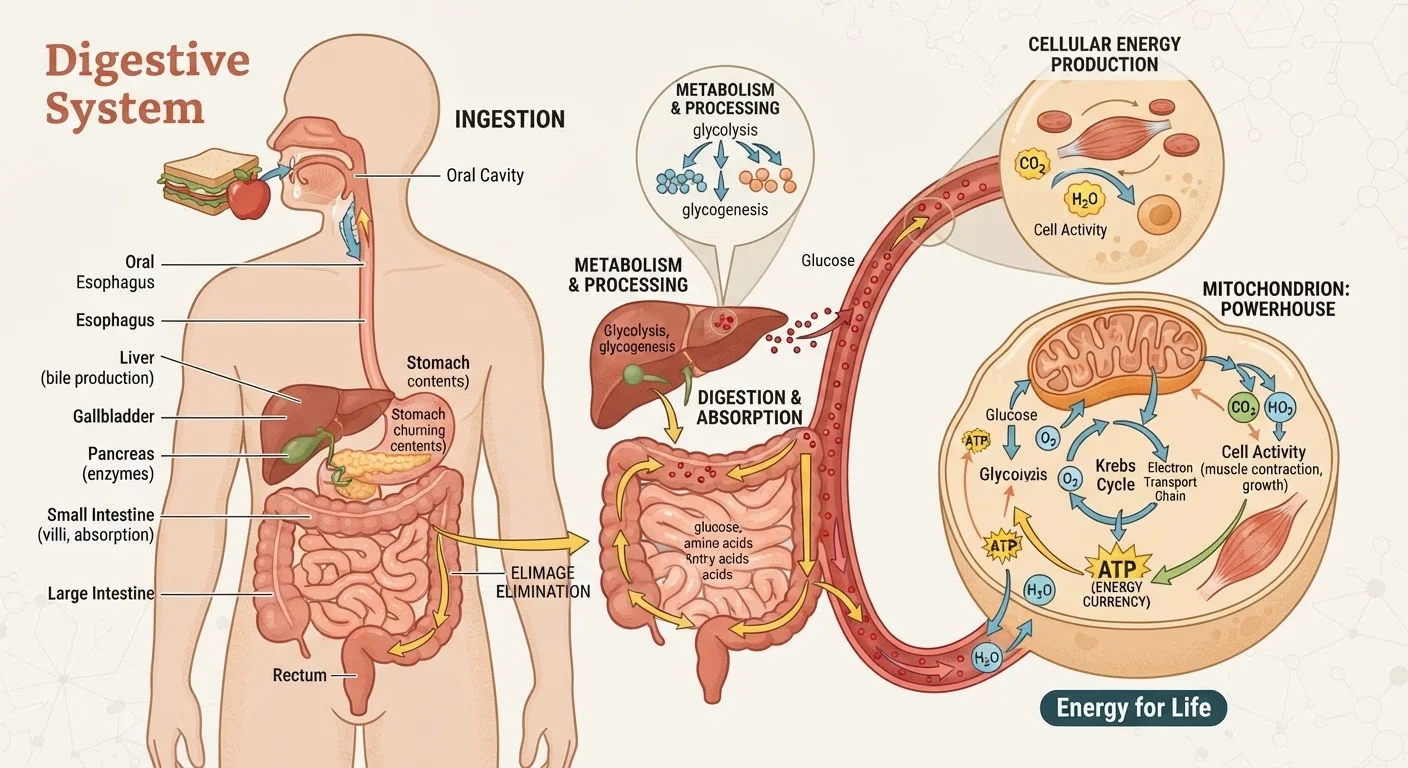
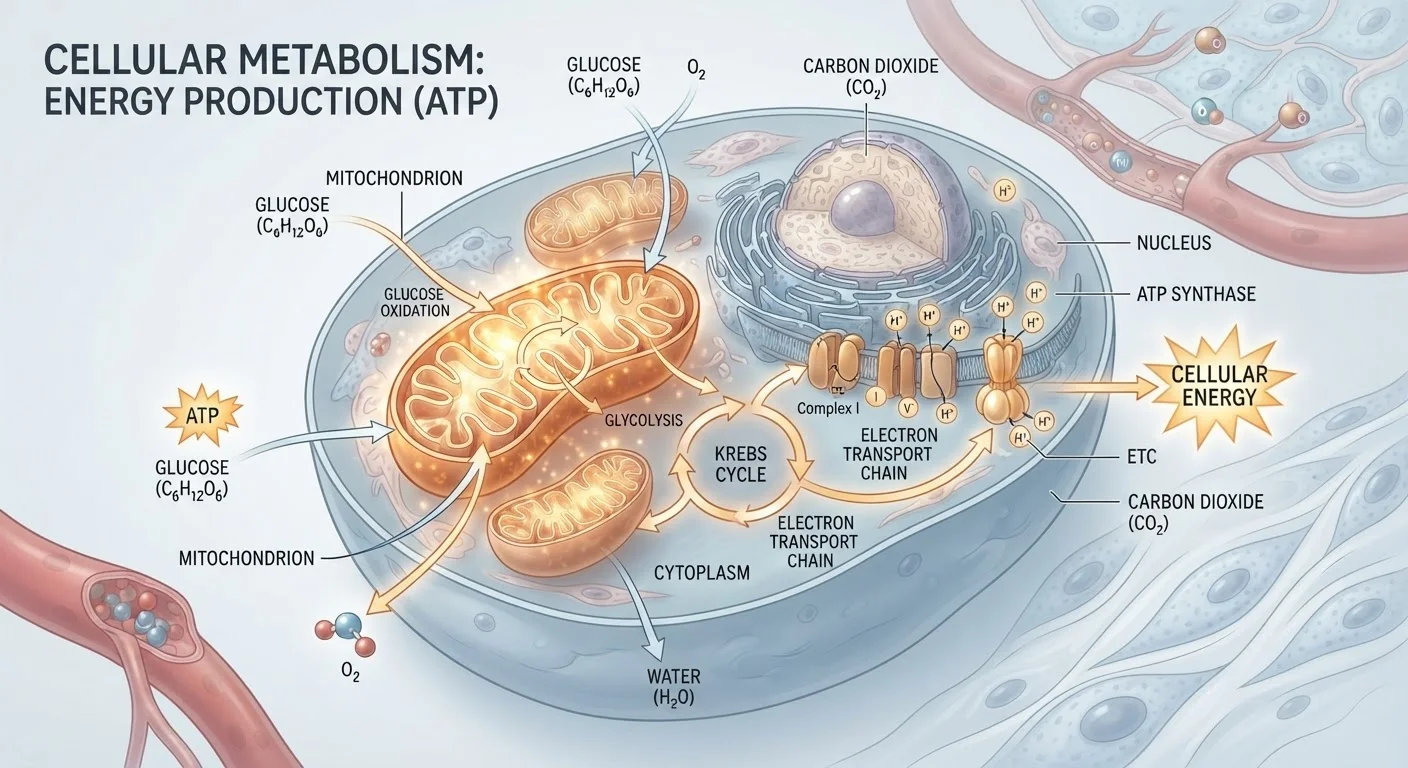
Metabolism is not a single dial you can simply turn up or down. It's a vast network of biochemical processes, and hormones act as the messengers that coordinate them. If you're new to the topic, it helps to understand metabolism as your body's complete system for converting food into energy — then using or storing that energy.
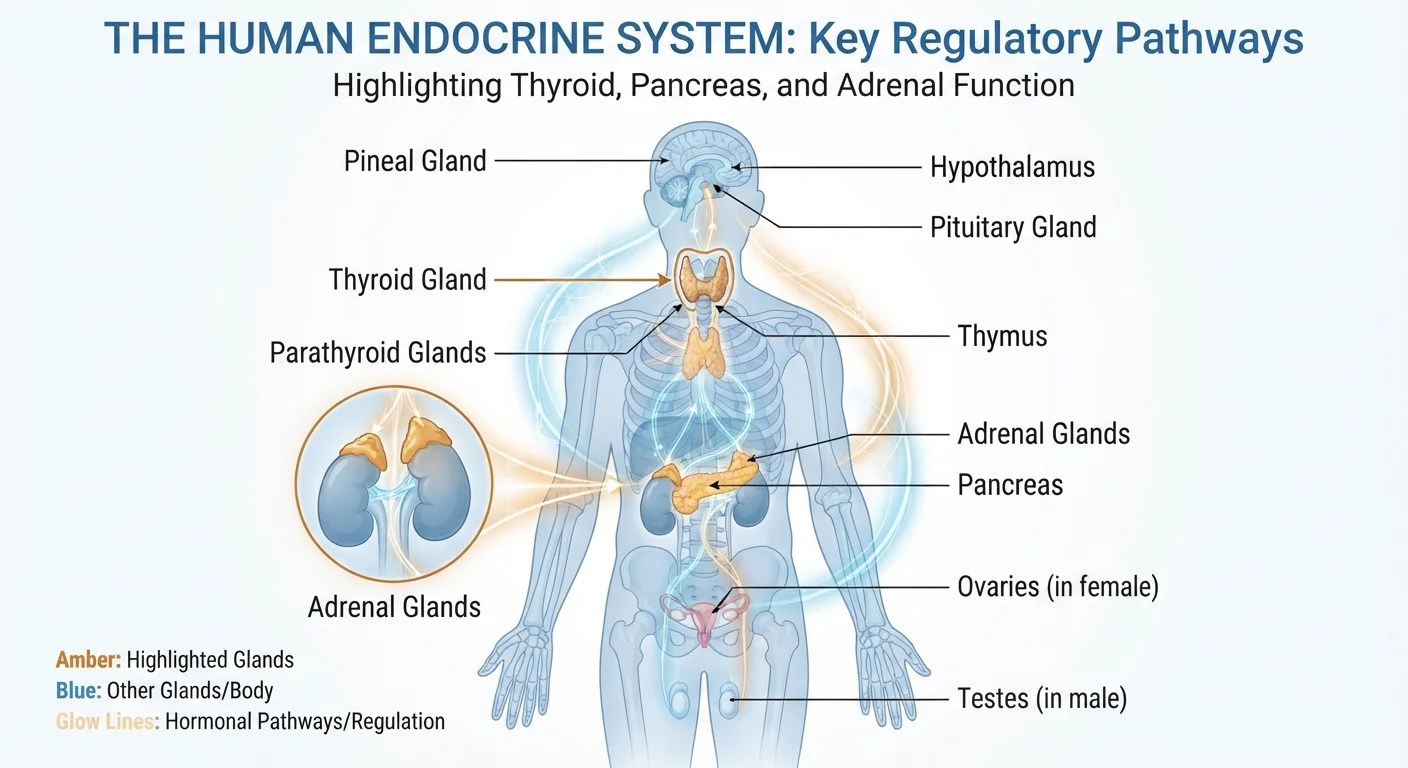
Hormones influence this system at multiple levels: how fast cells burn fuel, how readily the body stores fat, and how it responds to stress or scarcity. Three hormones are especially central to this conversation: thyroid hormone, insulin, and cortisol. Each has a distinct mechanism, and each is often misrepresented in popular wellness culture.
Hormones Work as a System
Thyroid hormone, insulin, and cortisol do not act in isolation — they interact with each other and with dozens of other hormones including leptin, ghrelin, and sex hormones. Attributing metabolic changes to a single hormone almost always oversimplifies the underlying biology. This overview focuses on the three most commonly discussed in the context of metabolism and weight management.
Thyroid Hormone: The Metabolic Pace-Setter
The thyroid gland, located at the base of the neck, produces hormones — primarily thyroxine (T4) and triiodothyronine (T3) — that influence the metabolic rate of virtually every cell in the body. When thyroid output is normal, these hormones help regulate body temperature, heart rate, and the rate at which cells consume oxygen to produce energy.
When the thyroid is underactive (hypothyroidism), resting metabolic rate can decrease noticeably, contributing to fatigue, cold sensitivity, and some degree of weight gain. Conversely, an overactive thyroid (hyperthyroidism) accelerates these processes, which can cause unintended weight loss and cardiovascular strain.
The important nuance: within the normal range of thyroid function, variation in thyroid hormone levels explains only a small portion of the differences in metabolic rate between individuals. Thyroid disorders are clinically meaningful — but a thyroid operating within normal limits is not the primary reason someone finds weight management difficult. For a broader look at what genuinely moves the needle, see factors that influence metabolic rate.
Insulin: Energy Routing and Storage
Insulin, produced by the pancreas in response to rising blood glucose, is essential for life — it enables cells to absorb glucose and use it for energy. It also signals the liver and muscle to store glucose as glycogen, and promotes fat storage when energy is in excess.
Insulin resistance — a state in which cells respond less effectively to insulin's signal — is associated with metabolic conditions including type 2 diabetes, elevated blood fats, and abdominal fat accumulation. It develops gradually and is influenced by genetics, physical inactivity, sleep quality, and dietary patterns over time.
One important clarification: eating carbohydrates and triggering insulin release does not automatically cause fat gain in a healthy metabolic state. Fat storage depends on overall energy balance. Insulin's role is to route energy — not to independently drive weight gain independent of caloric context. Understanding how different foods influence this process is related to how macronutrients affect energy burn.
Cortisol: Stress, Energy, and the Long Game
Cortisol, secreted by the adrenal glands, is released in response to physical or psychological stress. In the short term, it mobilizes glucose for immediate energy use — a useful survival mechanism. Over the long term, chronically elevated cortisol has broader metabolic consequences.
Research links sustained high cortisol to increased appetite (particularly for calorie-dense foods), preferential fat storage in the abdominal region, and impaired insulin sensitivity. These effects are well-documented in conditions like Cushing's syndrome, where cortisol is pathologically elevated. In ordinary life stress, the metabolic effects are real but more modest.
Sleep is a critical regulator of cortisol rhythm. Chronic sleep deprivation disrupts the normal cortisol cycle, which in turn affects hunger hormones like ghrelin and leptin. The relationship between stress, sleep, and energy regulation is explored in depth in what research shows about sleep, stress, and metabolism. Additionally, dietary patterns interact with cortisol regulation in complex ways — see what evidence says about stress and nutrition.
~5%
Metabolic rate decrease in hypothyroidism
Research estimates resting metabolic rate can fall by roughly 5–10% in clinical hypothyroidism, though the range varies by severity and individual factors.
~38%
U.S. adults with insulin resistance
Estimates from epidemiological research suggest a substantial proportion of American adults have some degree of insulin resistance, often without a formal diagnosis.
~20%
Cortisol rise from one night of poor sleep
Studies have documented measurable increases in evening cortisol levels following acute sleep restriction, illustrating sleep's direct effect on stress hormone regulation.
Putting It Together: A System, Not a Single Switch
Popular wellness content often frames metabolism problems as a single-hormone issue: fix your thyroid, block cortisol, or optimize insulin, and weight management becomes straightforward. The evidence doesn't support this framing. These hormones operate in a tightly regulated feedback system, and each interacts with the others.
For most people without a diagnosed hormone disorder, lifestyle variables — including physical activity, sleep quality, dietary composition, and chronic stress — have a greater practical influence on metabolic health than trying to manipulate any one hormone directly. Hormone optimization rhetoric often overstates what is achievable through supplements or specific protocols in the absence of clinical deficiency.
If you have symptoms that suggest a hormone disorder, a qualified healthcare professional can evaluate whether clinical intervention is appropriate. General health information, including this article, is not a substitute for individualized medical assessment.
This article is for general informational and educational purposes only and does not constitute medical advice. Consult a qualified healthcare professional regarding any health concerns or before making changes to your diet, exercise routine, or medical treatment.