The Science of Invisible Nudges
Most people assume their food choices are driven by hunger, taste preferences, or conscious intent. In reality, a substantial body of behavioral nutrition research shows that physical surroundings — the size of a serving bowl, the lighting in a restaurant, the placement of a candy dish — exert powerful, largely unnoticed pressure on what and how much we eat.
Psychologist and food researcher Brian Wansink coined the term mindless eating to describe this phenomenon: the hundreds of small food decisions made daily without genuine deliberation. While some specific findings from that body of work have been questioned methodologically, the broader principle — that environmental design shapes consumption — is supported across independent lines of research in behavioral economics, public health, and nutrition science.
Understanding this isn't about assigning blame for eating habits. It's about recognizing that the deck is often stacked in particular directions, and that small structural changes can quietly work in your favor. See our overview of mindful eating for a complementary perspective on how awareness intersects with automatic behavior.
How Your Kitchen and Home Layout Influence Intake
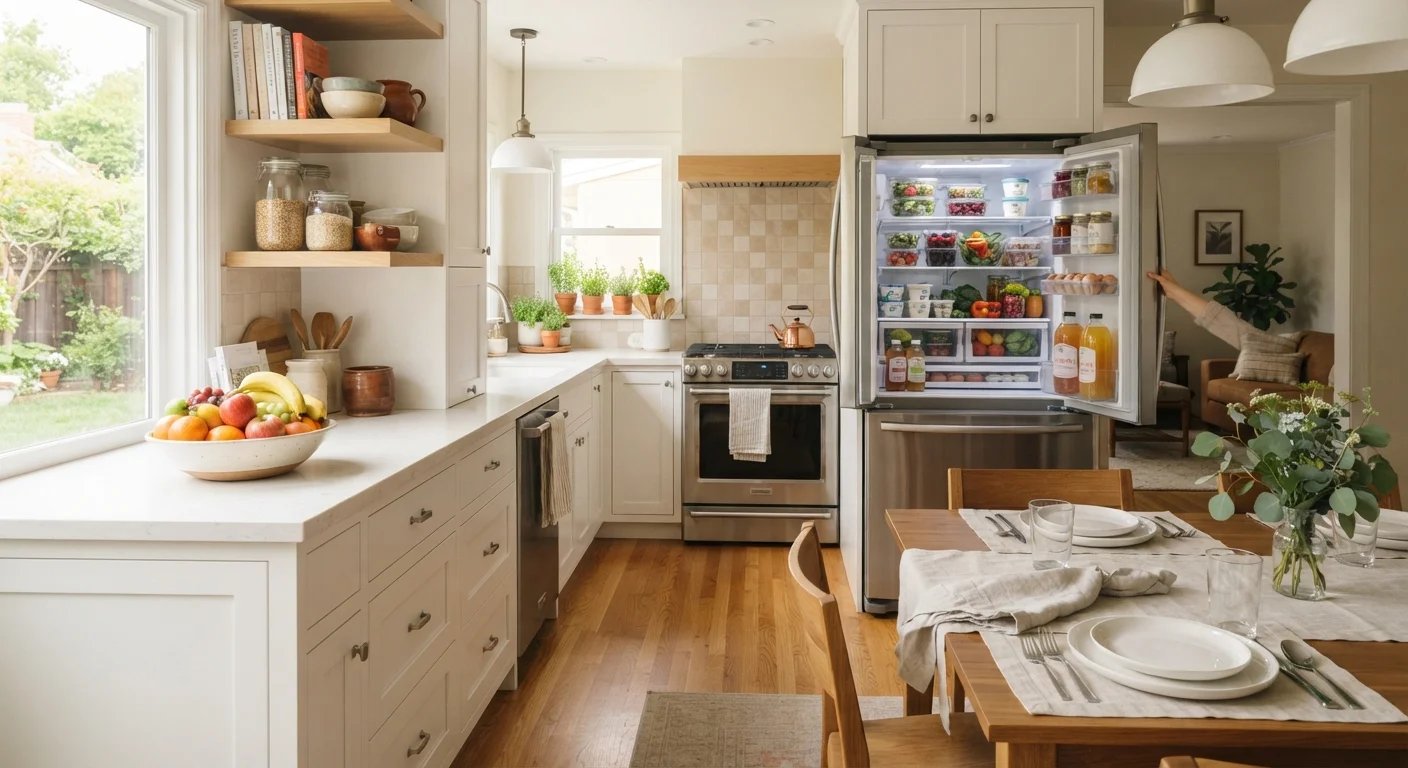
Your home is arguably the most controllable part of your food environment — and one of the highest-leverage places to make changes. Several well-replicated findings are worth knowing:
- Plate and bowl size: Larger dishware leads to larger self-served portions. The same quantity of food appears more substantial on a smaller plate, which can influence satisfaction signals.
- Counter visibility: A study published in Health Education & Behavior found that households with fruit visible on the counter had lower body weight on average than those where processed snacks were the most accessible item. Visibility is a consistent predictor of consumption frequency.
- Refrigerator arrangement: Placing vegetables and prepared foods at eye level — rather than buried in a crisper drawer — increases the likelihood they'll be chosen. The effort required to reach a food is a real friction cost that shapes behavior.
- Serving container size: Eating directly from a large bag or container tends to result in higher intake than portioning food into a bowl first.
These aren't dramatic lifestyle overhauls — they're structural adjustments that reduce the cognitive load of eating well. For practical strategies on improving what ends up on your plate, see building a more nutrient-dense plate.
Start With One Structural Change
Rather than overhauling your kitchen at once, try a single visible adjustment — move a fruit bowl to the counter, or swap in a smaller dinner plate. Behavioral research suggests that starting small reduces resistance and builds momentum. Once one change becomes automatic, adding another is substantially easier.
Social, Digital, and Contextual Influences
The food environment extends well beyond your kitchen. Social dynamics, media, and the contexts in which you eat all shape intake in measurable ways.
Social modeling is one of the most robust findings in eating behavior research: people tend to align their portion sizes and eating pace with those around them. In group settings, individuals consistently eat more when others take larger portions, and less when dining companions eat modestly. This is not a character flaw — it's a deeply embedded social behavior.
Screen-based distraction during meals is associated with higher caloric intake both during and after the meal. Attention directed at a screen interferes with the brain's processing of satiety signals, effectively delaying the moment when fullness registers. This effect has been documented in both children and adults.
Food packaging and portion framing also influence perception. A product labeled as a single serving — regardless of its actual caloric content — tends to be consumed in full by most people. "Fun size" packaging, counterintuitively, can lead to higher total intake when multiple units are consumed without deliberate tracking.
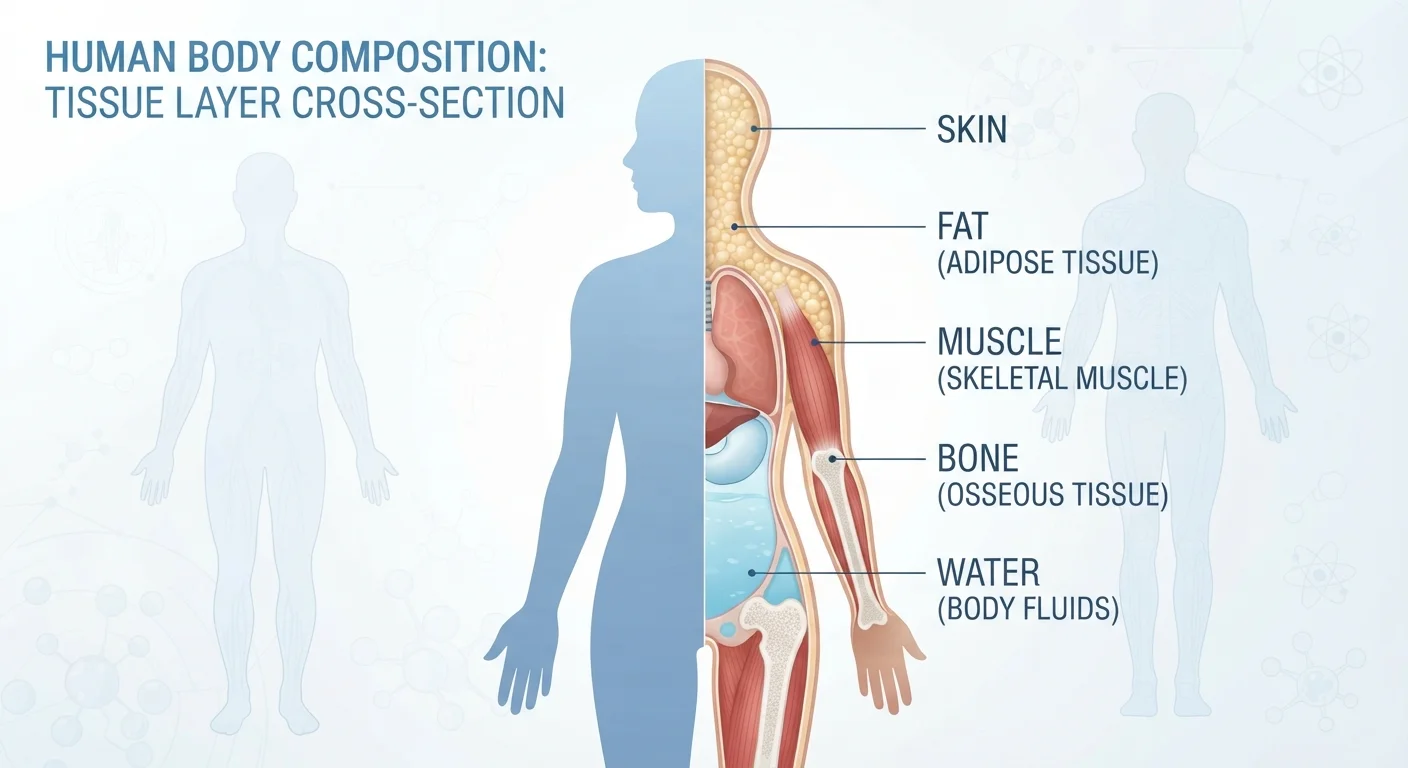
These contextual factors interact with broader lifestyle patterns. The Healthy Daily Habits hub explores how eating behaviors connect to sleep, movement, and other daily routines that collectively influence health outcomes. It's also worth noting that food environment effects don't operate in isolation from body composition — understanding what body composition actually measures provides useful context for interpreting weight-related goals.
~200
Daily food decisions made without full awareness
Estimates from behavioral nutrition research suggest the average person makes roughly 200 food-related decisions per day, most below conscious deliberation.
~92%
Of food on the plate that gets eaten
Research in eating behavior consistently finds that most people eat the majority of whatever food is placed in front of them, regardless of how much was served.
3x
More likely to eat visible foods first
Studies on pantry and refrigerator organization suggest foods placed at eye level are selected significantly more often than equivalent foods stored out of direct sight.
This article is for general informational and educational purposes only and does not constitute medical or nutritional advice. Consult a qualified healthcare professional for guidance tailored to your individual health needs.