Why Movement Needs Change With Age
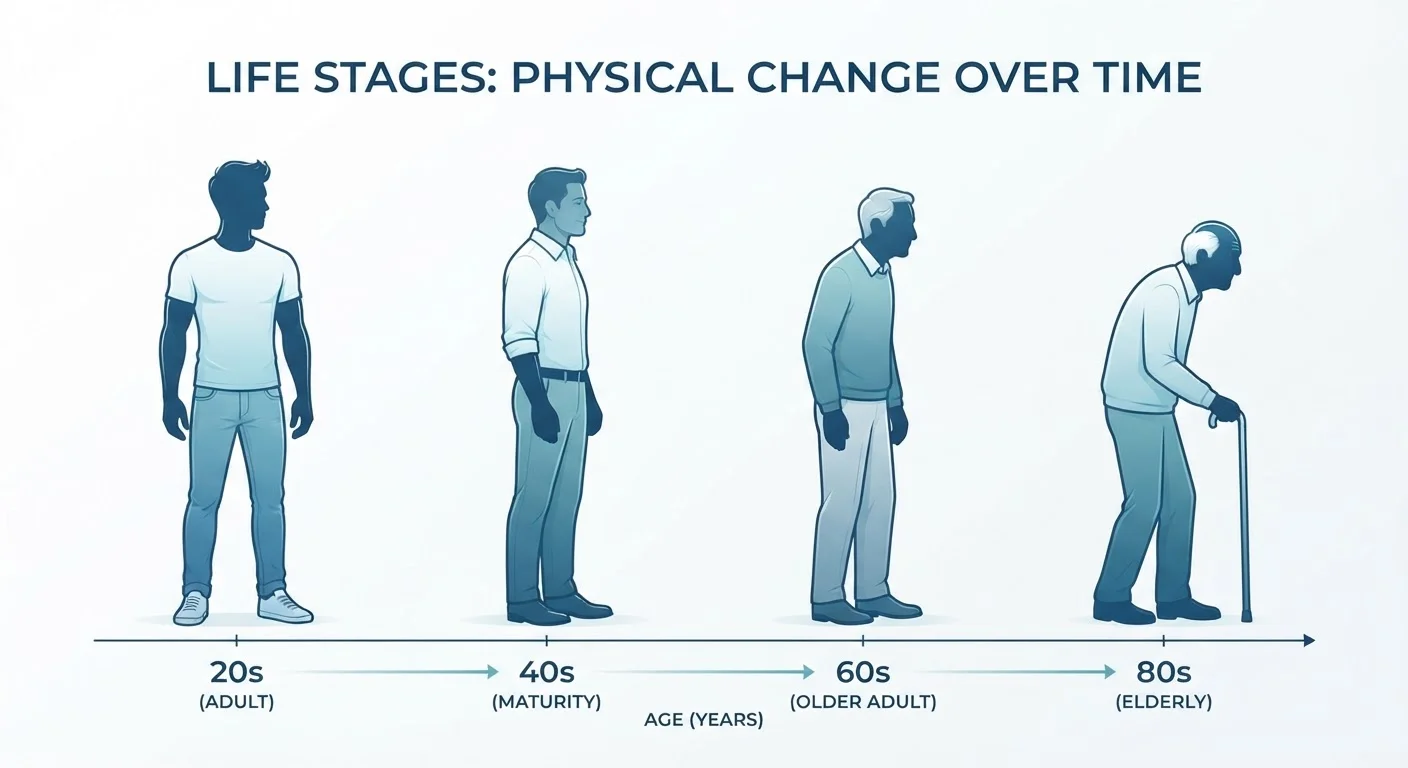
The human body changes in predictable ways across adulthood — and those changes directly affect how physical activity should be approached. Bone density peaks in early adulthood. Muscle mass begins a gradual, steady decline starting around age 30. Cardiovascular efficiency shifts. Recovery takes longer. Hormonal changes alter body composition. None of this means movement becomes less important with age — quite the opposite.
The federal physical activity guidelines recommend that most adults aim for at least 150 minutes of moderate-intensity aerobic activity per week, plus muscle-strengthening on two or more days. That framework holds across decades, but what counts, what helps most, and what carries the greatest risk shifts meaningfully as you age.
Understanding these shifts helps you meet your body where it actually is — rather than where it was ten years ago or where you imagine it should be.
Your 20s: Building the Foundation
The twenties represent a biological window of opportunity. Bone density is at or near its peak, recovery from exercise is typically fast, and the cardiovascular system handles high-intensity work efficiently. This is also when habits form — and habits formed in this decade tend to persist or serve as a reference point later in life.
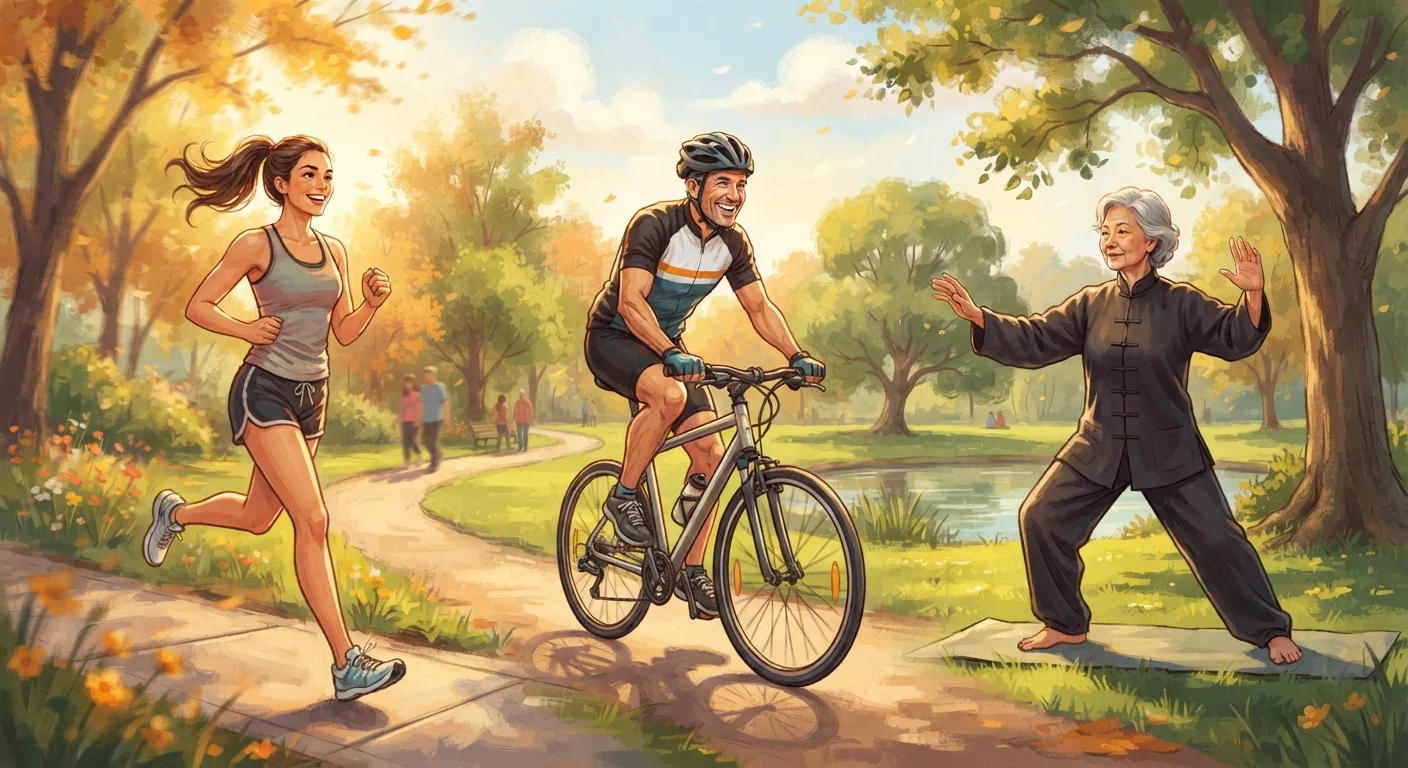
Key priorities in your 20s include building aerobic fitness, establishing a strength training habit, and developing body awareness through varied movement. Activities like running, cycling, swimming, team sports, and resistance training all contribute meaningfully. Flexibility and mobility work is often skipped at this age because the body tolerates its absence — until it doesn't.
In your 20s, prioritize learning movement patterns — squat, hinge, push, pull, carry — over chasing performance metrics. Solid mechanics now prevent compensatory injuries for decades.
Poor movement habits formed early often go undetected until they cause injury in midlife; foundational motor patterns are more durable than raw fitness gains.
After 40, treat your recovery days as training days for longevity — gentle mobility work and walking on rest days reduce stiffness and maintain the habit without overtaxing the body.
Exercise physiology research shows that active recovery maintains blood flow and tissue quality while allowing the neuromuscular system to repair, which supports long-term adherence.
This is also the decade when body composition begins to be shaped by daily choices. The muscle you build now creates a larger reserve to draw on as natural age-related loss begins later.
Your 30s and 40s: Protecting What You've Built
Life tends to get fuller in the thirties and forties — careers, caregiving, and competing demands compress time for exercise. Simultaneously, the body begins to signal change: recovery takes longer, muscle mass starts declining at roughly 3–8% per decade without active resistance training, and metabolic rate gradually slows. This is also when many people first notice joint discomfort or stiffness.
The most impactful shift in this decade is prioritizing strength training if it hasn't been a regular habit. Maintaining muscle mass through resistance exercise supports metabolism, bone density, and long-term mobility. Even two sessions per week of bodyweight or resistance exercises makes a measurable difference over time.
For those rebuilding after a long gap from activity, the guide on starting over with physical activity offers a practical, low-pressure entry point. The thirties and forties are not too late — they're often the right time.
Sleep quality also intersects meaningfully with exercise recovery here. Disrupted sleep reduces the muscle protein synthesis that follows strength training. See related context on how sleep changes across adulthood for more.
Your 50s and 60s: Adapting Without Stopping
The fifties and sixties often bring the most significant physiological shifts. For women, menopause accelerates bone density loss and alters body composition. For men, gradual testosterone decline continues to affect muscle retention. Arthritis, cardiovascular changes, and chronic conditions become more common in both groups.
The instinct to reduce activity in response to discomfort is understandable — but often counterproductive. Exercise at this stage serves as one of the most effective tools for managing inflammation, maintaining joint health, preserving bone density, and supporting cardiovascular function. The key is adaptation, not cessation.
Low-impact activities — swimming, cycling, walking, yoga, water aerobics, elliptical training — allow aerobic conditioning with reduced joint stress. Strength training remains essential; it should be adjusted for range of motion and individual limitations rather than abandoned. Balance exercises, often neglected earlier in life, become critically important here as fall risk begins to climb.
Routine health screenings also play a supporting role. The Screenings & Checkups hub outlines which assessments are most relevant by age, helping people exercise with awareness of their baseline health.
Your 70s and Beyond: Moving for Independence
In the seventies and beyond, the primary goal of physical activity often shifts from performance or body composition toward functional independence — the ability to move through daily life safely, confidently, and without assistance. Falls are the leading cause of injury-related death among older adults in the U.S., according to the Centers for Disease Control and Prevention (CDC), making balance and lower-body strength the highest-value physical priorities at this stage.
Activities like tai chi, chair yoga, resistance band exercises, and walking are all well-supported by research for this age group. Even light movement — gardening, stretching, short walks — contributes to functional health when done consistently. The emphasis shifts from volume and intensity toward regularity and safety.
Older adults with chronic conditions, limited mobility, or recent health events should consult with a physician or physical therapist before beginning or modifying an exercise program. General advice is not a substitute for individualized guidance at this stage. This is general health information, not personal medical advice.
What Stays the Same Across Every Decade
Despite the shifts described above, several principles hold constant regardless of age:
- Consistency beats intensity. A moderate habit maintained for years outperforms sporadic high-effort bursts.
- Any movement is better than none. Even small increases in daily activity — taking stairs, parking farther away, a 10-minute walk — produce measurable health benefits.
- Strength training is never optional. From the 20s through the 80s, resistance exercise supports muscle, bone, metabolism, and mood.
- Nutrition and sleep amplify exercise. The eating habits that support health across decades and adequate sleep both directly influence how the body responds to and recovers from physical activity.
- Starting over is always valid. Research consistently shows that people who begin regular exercise later in life still achieve meaningful cardiovascular, muscular, and cognitive benefits.
Active living is not a fixed destination — it's a practice that evolves alongside you. The goal in every decade is the same: keep moving in ways your body can sustain.
This article is for general informational and educational purposes only and is not a substitute for professional medical advice, diagnosis, or treatment. Always consult a qualified healthcare provider before starting, modifying, or stopping any exercise program, especially if you have existing health conditions.