What Body Composition Actually Measures
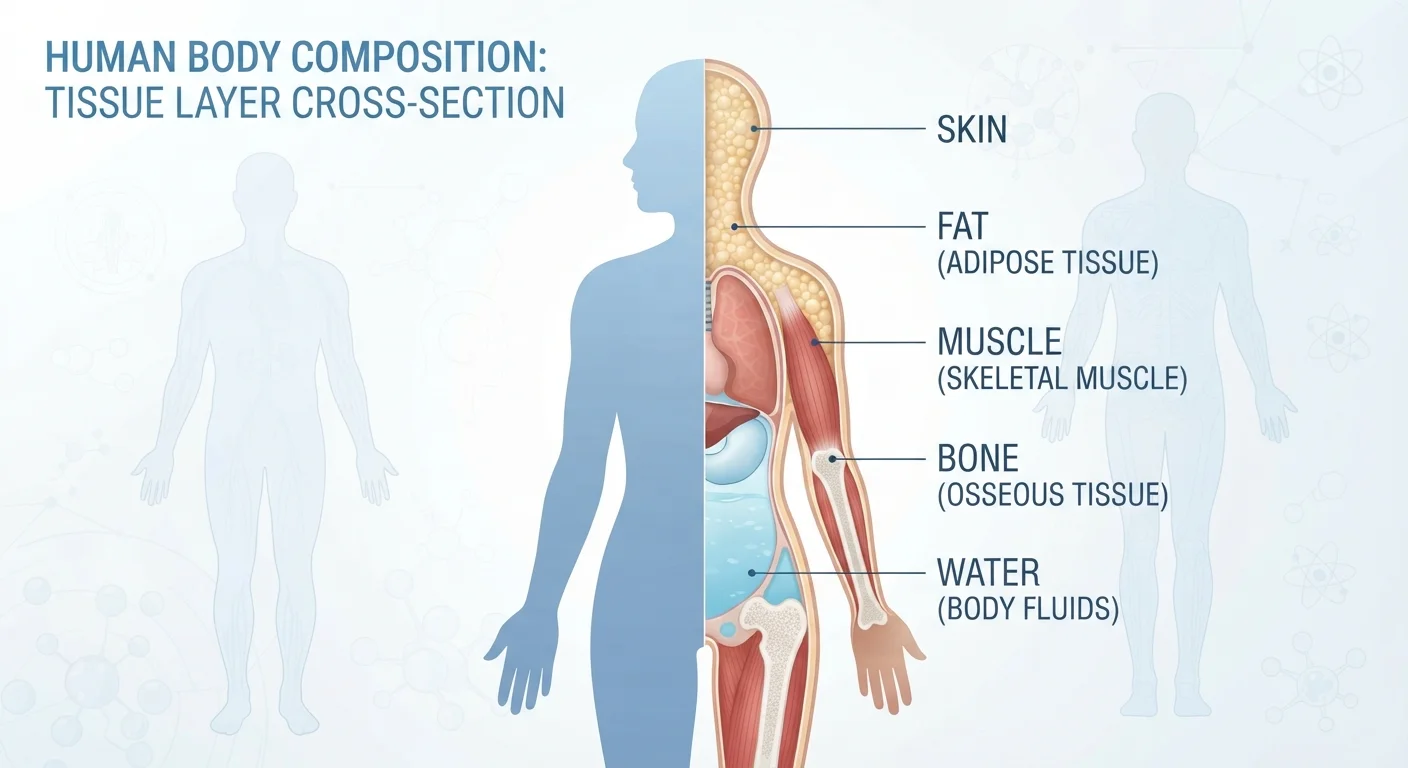
Scale weight is a single number that tells a limited story. Body composition — the proportion of muscle, fat, bone, and water that make up your body — is a far more informative measure of health. As the body ages, these proportions shift in ways that affect energy levels, physical function, and long-term disease risk, often independently of whether the number on the scale moves at all.
Understanding these changes is the first step to influencing them. The body's composition is not simply a product of diet and exercise; it is also shaped by hormones, genetics, and the biology of aging itself. Recognizing what is biologically driven versus what is modifiable gives you a realistic and empowering framework for long-term health.
The Arc of Muscle Mass: Decade by Decade
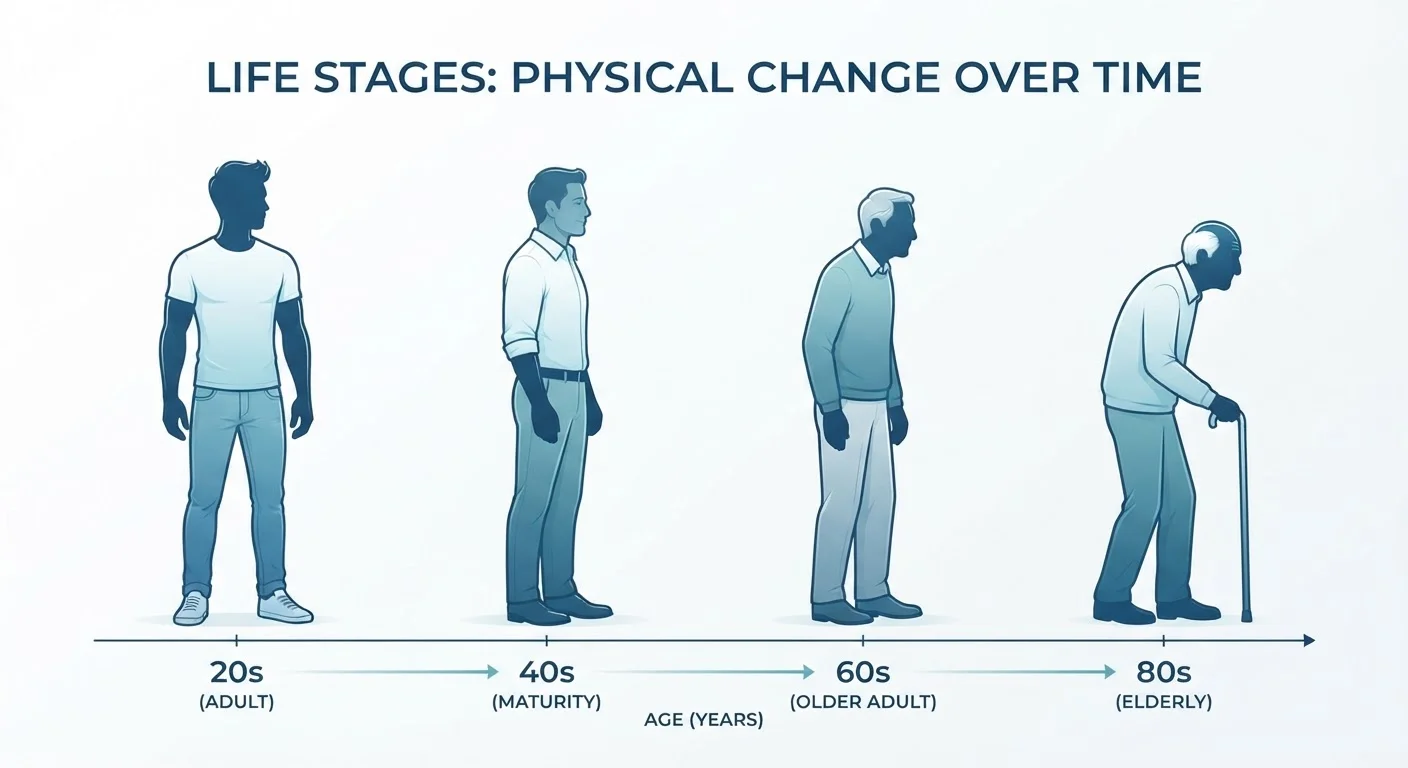
Skeletal muscle mass follows a predictable arc across a lifetime. During the 20s, muscle mass is typically at or near its peak. Strength, power, and lean body mass are relatively easy to maintain during this decade, though they still respond strongly to training and protein intake.
Through the 30s and 40s, a gradual decline begins. Research estimates an average loss of 3–8% of muscle mass per decade from the mid-30s onward. This decline is often invisible on a standard scale because fat tissue may simultaneously increase, keeping total body weight stable while the underlying composition shifts unfavorably.
After age 60, the rate of muscle loss frequently accelerates. This is the phase most commonly associated with sarcopenia — clinically significant muscle loss that impairs balance, mobility, and independence. Body composition norms shift substantially in older adults, and the functional consequences become more pronounced. Falls, fractures, and difficulty with daily tasks are often downstream effects of unchecked muscle decline.
3–8%
Muscle mass lost per decade after mid-30s
According to research published in the Journal of Cachexia, Sarcopenia and Muscle, this rate accelerates significantly after age 60.
~30%
Muscle mass decline from age 20 to 80
Estimates from exercise physiology literature suggest adults may lose up to 30–40% of skeletal muscle mass across a full adult lifetime without intervention.
2x
Fall risk increase with sarcopenia
Studies in geriatric medicine consistently find that sarcopenic older adults face substantially higher rates of falls, fractures, and loss of functional independence.
Fat Redistribution and Metabolic Risk
Fat doesn't just increase with age — it moves. In younger adults, subcutaneous fat (stored just beneath the skin) is more prevalent. With aging, fat tends to migrate toward the abdominal region, accumulating as visceral fat — the metabolically active fat surrounding internal organs. Visceral fat is associated with insulin resistance, elevated inflammation, and cardiovascular risk in a way that subcutaneous fat is not.
This shift is especially pronounced around hormonal transitions. In women, declining estrogen levels during perimenopause and menopause accelerate abdominal fat accumulation. In men, declining testosterone contributes to increased fat mass and reduced lean tissue over time. These hormonal changes interact with lifestyle factors, making the combination of regular physical activity and adequate sleep particularly important for managing body composition during midlife.
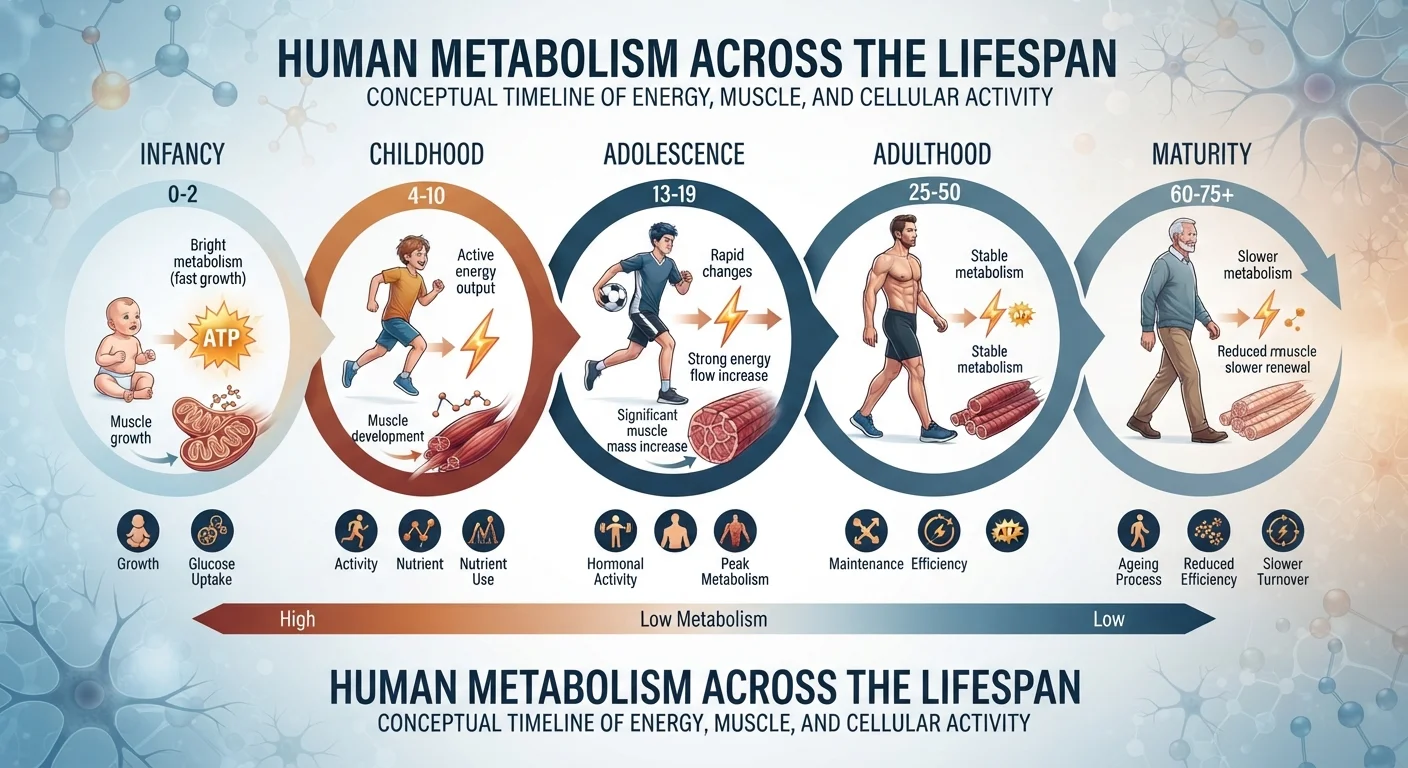
Metabolic rate also declines with age, partly because muscle tissue is metabolically more active than fat tissue — it burns more calories at rest. As muscle declines and fat increases, the body's overall calorie-burning capacity decreases, which can create a gradual weight-gain tendency even without changes in eating habits.
What Is Within Your Influence
Not all age-related body composition change is inevitable. A substantial body of evidence points to several modifiable factors that significantly affect how muscle and fat shift across the decades.
- Resistance training is the most well-supported intervention for preserving and building muscle at any age. Both older and younger adults respond to progressive strength training, though older adults benefit from higher protein intake to support muscle protein synthesis.
- Protein adequacy matters more with age, not less. Research suggests that older adults may need more dietary protein per kilogram of body weight than younger adults to achieve the same rate of muscle repair and synthesis.
- Physical activity patterns broadly influence fat distribution and metabolic health. Movement needs shift across the decades, and staying active remains one of the most effective tools available.
- Sleep quality affects hormonal regulation, appetite signaling, and muscle recovery — all of which influence body composition over time.
Functional fitness depends on maintaining healthy body composition — not for aesthetic reasons, but because muscle-to-fat ratios directly affect balance, mobility, and the ability to perform everyday tasks independently. And weight management strategies also need to evolve across a lifetime to remain effective.
This article provides general health information for educational purposes only and is not a substitute for personalized medical advice. Consult a qualified healthcare provider before making changes to your diet, exercise routine, or any aspect of your health care.