Why These Myths Still Spread
Misinformation about strength training travels fast — through gym locker rooms, social media feeds, and well-meaning friends. Many of these beliefs feel intuitive on the surface, which is exactly why they persist. But when you look at what exercise science actually shows, several commonly held assumptions fall apart quickly.
Understanding the real mechanics of resistance training helps readers choose approaches that fit their actual lives, rather than avoiding an entire category of movement based on unfounded fears. For a broader look at how exercise myths mislead people, see common exercise myths that keep people from moving more.
Myth
Lifting weights will make me bulk up and look overly muscular.
Fact
Significant muscle mass gain requires specific training volume, dietary surplus, and years of consistent effort — it doesn't happen accidentally.
This is perhaps the most persistent strength training myth, especially among women. Hypertrophy — the process of muscle cells growing larger — is a slow, deliberate outcome that requires progressive overload, substantial protein intake, and sustained effort over months or years. Most recreational lifters, even those training consistently, add muscle gradually and in proportion to their frame. The dramatic physiques seen in fitness media typically reflect years of structured training, specific nutritional strategies, and in many cases, genetic factors that the average person simply doesn't share.
Myth
Strength training is dangerous for older adults and should be avoided after a certain age.
Fact
Resistance training is widely recommended for older adults and can reduce fall risk, preserve bone density, and maintain functional independence.
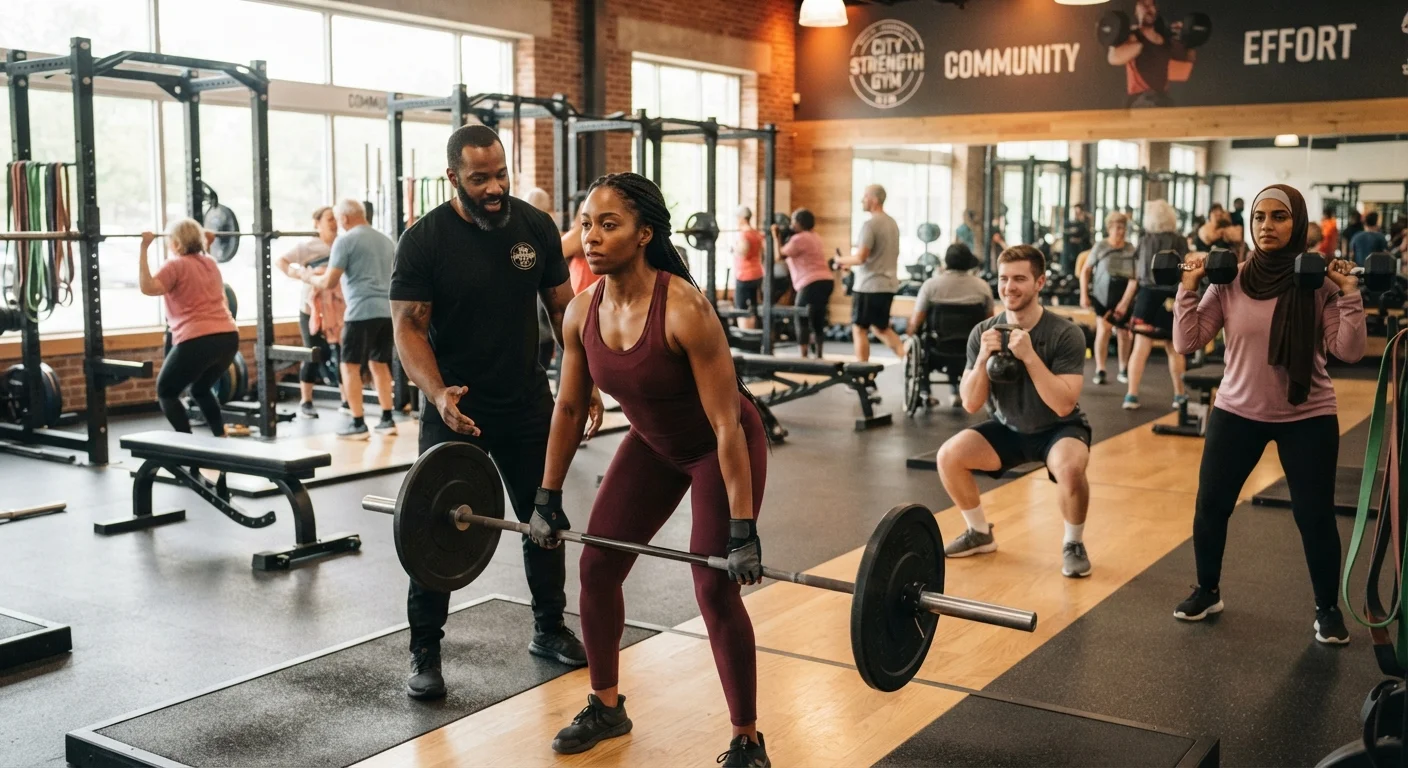
Research consistently shows that adults in their 60s, 70s, and beyond benefit significantly from regular resistance training. The American College of Sports Medicine and the National Institute on Aging both include strength training in their physical activity guidelines for older adults. Muscle mass naturally declines with age — a process called sarcopenia — making resistance exercise one of the most effective tools available to counter it. Appropriate modifications and professional guidance are recommended, particularly for those with joint conditions or chronic illness, but age alone is not a barrier.
Myth
Women should stick to light weights and high reps to avoid getting too big.
Fact
Women have significantly lower testosterone levels than men, which limits the degree of muscle hypertrophy they can achieve from standard training.
The hormonal environment in the average woman's body makes large-scale muscle gain highly unlikely from typical strength training programs. Women who lift heavier weights generally develop improved muscle tone, strength, and metabolic efficiency — not a masculinized appearance. Research also shows that heavier resistance training produces greater long-term benefits for bone density and functional strength than very light loads. Training intensity should match goals and ability level, not gender-based assumptions.
Myth
If you're not sore after a workout, you didn't train hard enough.
Fact
Delayed onset muscle soreness (DOMS) is one response to exercise stress, but its absence does not mean a session was ineffective.
Muscle soreness typically results from microscopic tissue damage during unfamiliar or high-volume exercise. As the body adapts to a training stimulus, soreness tends to decrease — even when training is producing meaningful strength and fitness gains. Experienced lifters often feel little soreness despite making consistent progress. Using pain as a proxy for effectiveness can lead to overtraining and injury. A well-designed program progressively challenges the body without requiring soreness as confirmation of effort.
Myth
You need a gym membership and heavy equipment to build real strength.
Fact
Bodyweight exercises, resistance bands, and minimal equipment can produce genuine strength adaptations when applied with appropriate intensity and progression.
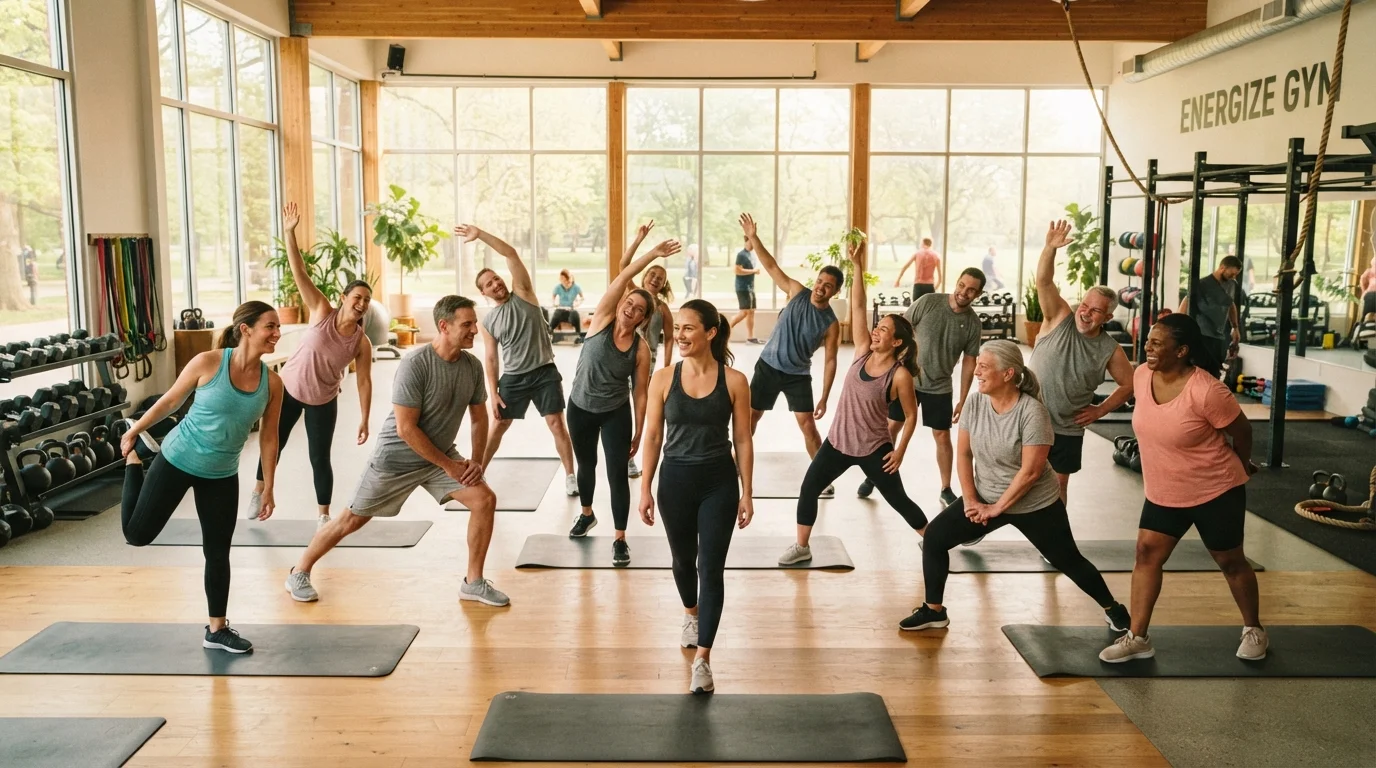
Push-ups, squats, lunges, rows, and planks — all performable with no equipment — place meaningful mechanical load on muscles and connective tissue. The principle of progressive overload, which drives strength development, can be applied through changes in leverage, tempo, range of motion, or added resistance from inexpensive tools like resistance bands. Research on home-based and equipment-free exercise programs shows comparable strength outcomes to gym-based training, particularly for beginners and intermediate exercisers.
What the Evidence Actually Supports
Strength training — also called resistance training — is one of the most well-researched forms of physical activity. Major health organizations, including the American College of Sports Medicine, recommend it at least twice per week for most healthy adults. Its documented benefits include improved bone density, better metabolic function, reduced injury risk, and enhanced quality of life across age groups.
Skipping Strength Training Has Real Costs
Avoiding resistance exercise based on myths can mean missing out on proven benefits: stronger bones, better balance, improved metabolic health, and greater functional capacity as you age. If a specific fear or belief is keeping you from starting, it's worth examining whether that belief holds up to scrutiny. Consult a certified fitness professional if you're unsure where to begin.
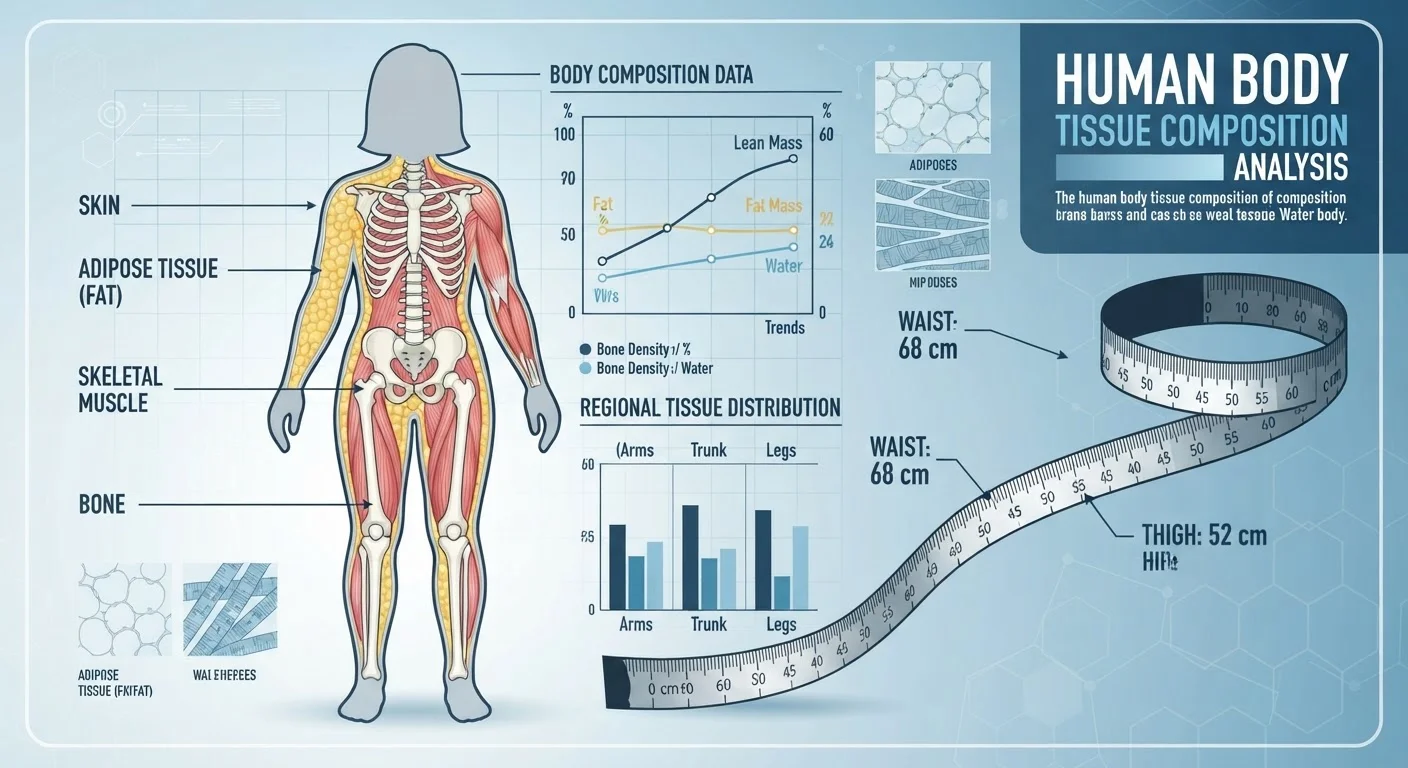
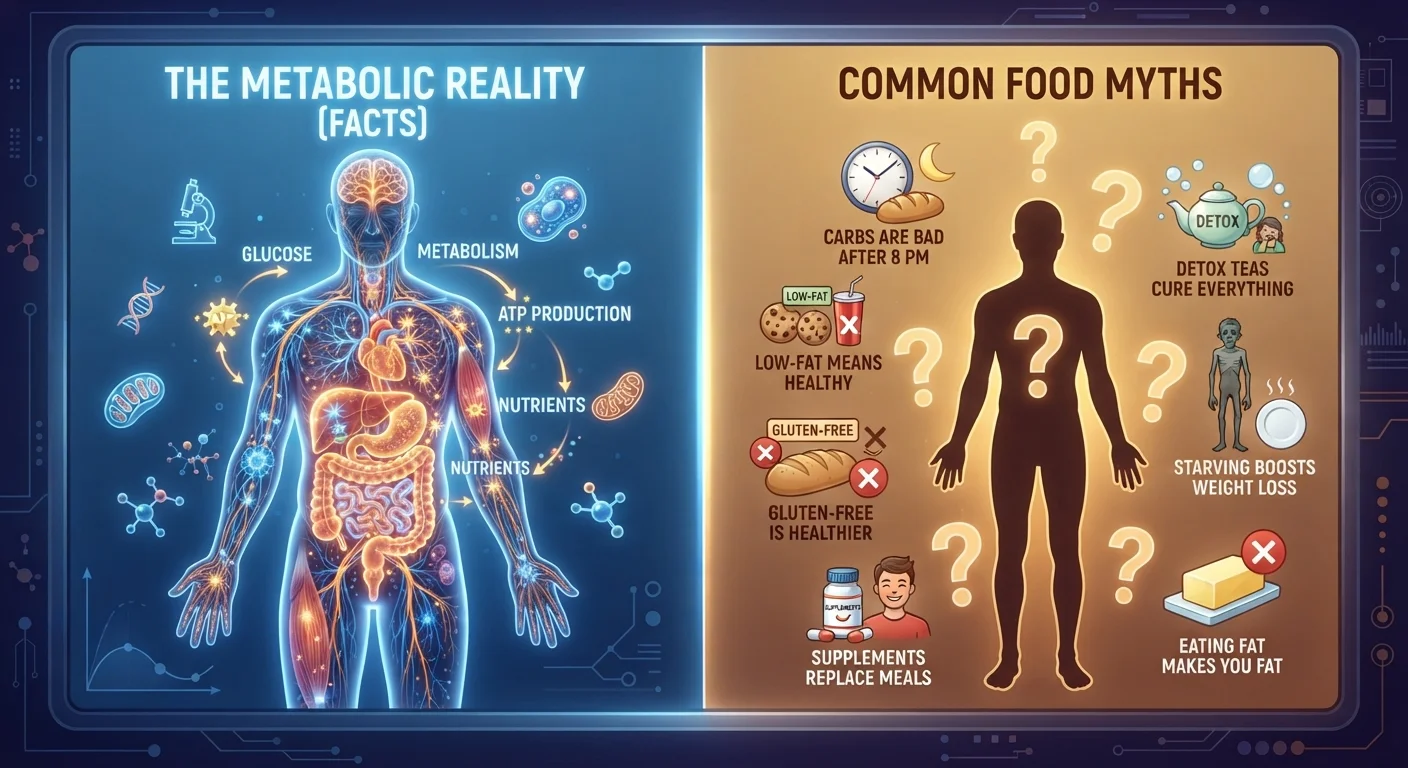
Body composition changes connected to strength training are also frequently misunderstood. If you want to go deeper on that topic, separating myth from reality in body composition science covers related misconceptions thoroughly. Similarly, metabolism misconceptions that can lead people astray explains how faulty beliefs about metabolism can undermine training goals.
If you've been avoiding the weight room based on any of the myths above, consider starting with simple bodyweight movements or a session with a certified personal trainer to build confidence and proper technique. Everyone begins somewhere, and the evidence strongly supports the idea that it's never too late — or too early — to start.
This article is for general informational purposes only and is not a substitute for professional medical or fitness advice. If you have an existing health condition or injury, consult a qualified healthcare provider before beginning a new exercise program.