Why Body Composition Myths Persist
Misinformation in fitness and body science spreads quickly because the subject touches on deeply personal concerns — appearance, health, aging, and self-worth. Oversimplified explanations and compelling-sounding logic often travel faster than nuanced, evidence-based corrections. Many myths also contain a grain of plausible-sounding biology, making them harder to dislodge once established.
Understanding what the evidence actually shows — rather than what feels intuitive — matters because acting on false beliefs can lead to wasted effort, frustration, or approaches that undermine genuine health goals. The myths addressed here are among the most consistently documented in the research literature on body composition and metabolic physiology.
Myth
You can target fat loss in a specific body part by exercising that area — for example, crunches will burn belly fat.
Fact
Fat loss is a systemic process driven by overall energy balance; the body draws stored fat from across the body, not selectively from the muscles being worked.
The concept of spot reduction is one of the most tenacious myths in fitness culture. Research has repeatedly failed to support it. A well-cited study published in the Journal of Strength and Conditioning Research found that localized abdominal exercise did not preferentially reduce abdominal fat compared to a general exercise program. When fat is mobilized for energy, it enters the bloodstream from fat cells throughout the body — a process regulated by hormones and total energy demand, not by which muscle is contracting nearby. Core exercises remain valuable for building strength and stability, but they are not a mechanism for localized fat removal.
Myth
If you stop working out, your muscle turns into fat.
Fact
Muscle tissue and fat tissue are biologically distinct; one cannot convert into the other under any physiological circumstance.
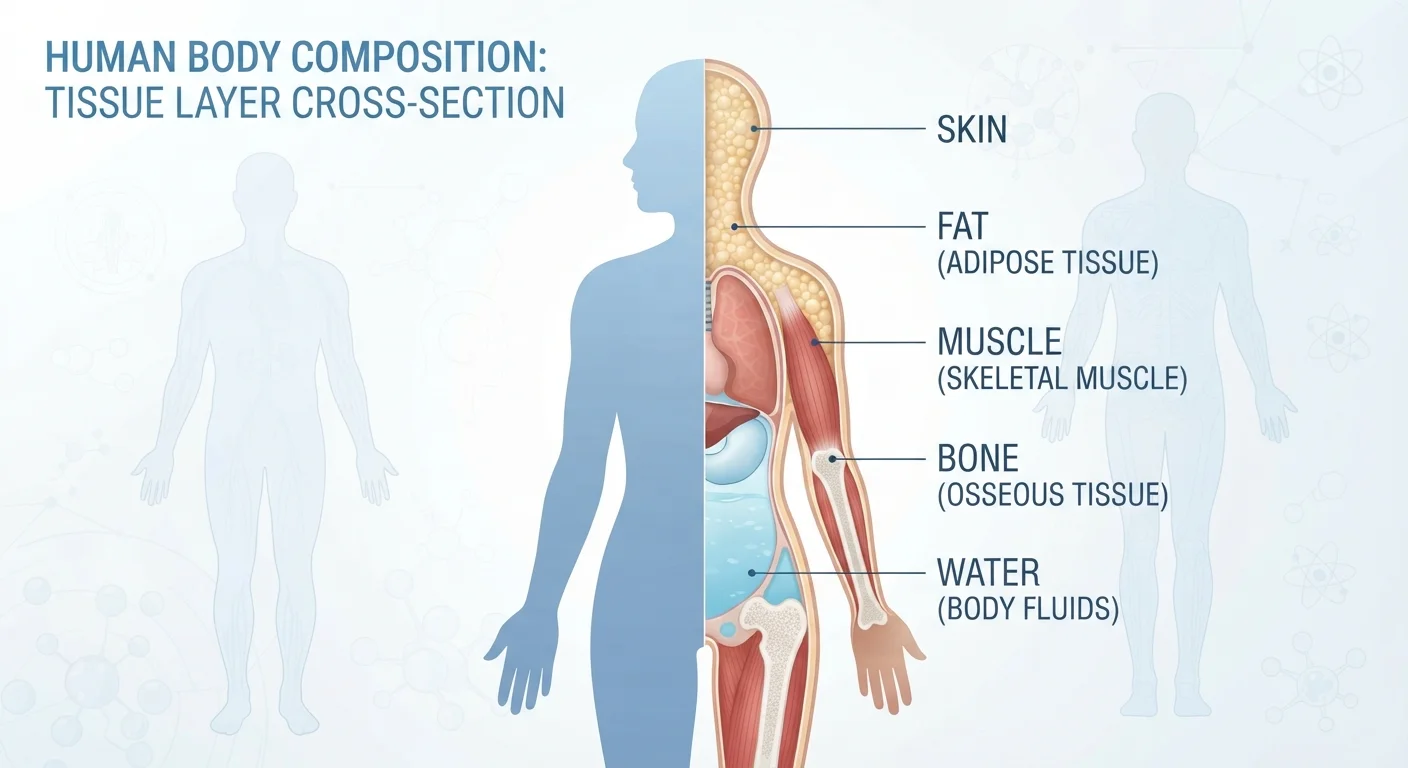
Muscle is composed primarily of contractile protein fibers. Fat, or adipose tissue, is made up of lipid-storing cells called adipocytes. These are fundamentally different tissue types with different cellular origins — neither can transform into the other. What does happen when training stops is that muscle mass gradually decreases through a process called disuse atrophy, while a reduction in overall energy expenditure can lead to increased fat storage if caloric intake remains unchanged. The two changes can occur simultaneously, which may explain how the myth took hold — but correlation is not conversion.
Myth
BMI is a reliable measure of your body composition and overall health.
Fact
BMI is a population-level screening index that cannot distinguish fat mass from lean mass, nor does it account for fat distribution, age, or sex.
BMI is calculated from height and weight alone, which means a highly muscular person may register as "obese" while someone with low muscle mass and high fat mass may read as "normal weight." Public health researchers have long acknowledged these limitations. BMI was originally developed as a statistical tool for comparing population groups, not diagnosing individual health. More informative measures — such as waist-to-height ratio, DEXA scans, or bioelectrical impedance — provide a clearer picture of fat distribution and lean mass. That said, even these tools have their own limitations and are best interpreted in clinical context. See our deeper explainer on body composition for more on what these measures actually reveal.
Myth
The scale is the best way to track whether your fitness program is working.
Fact
Scale weight captures total mass — including water, food volume, and bowel contents — and cannot distinguish meaningful changes in fat or muscle.
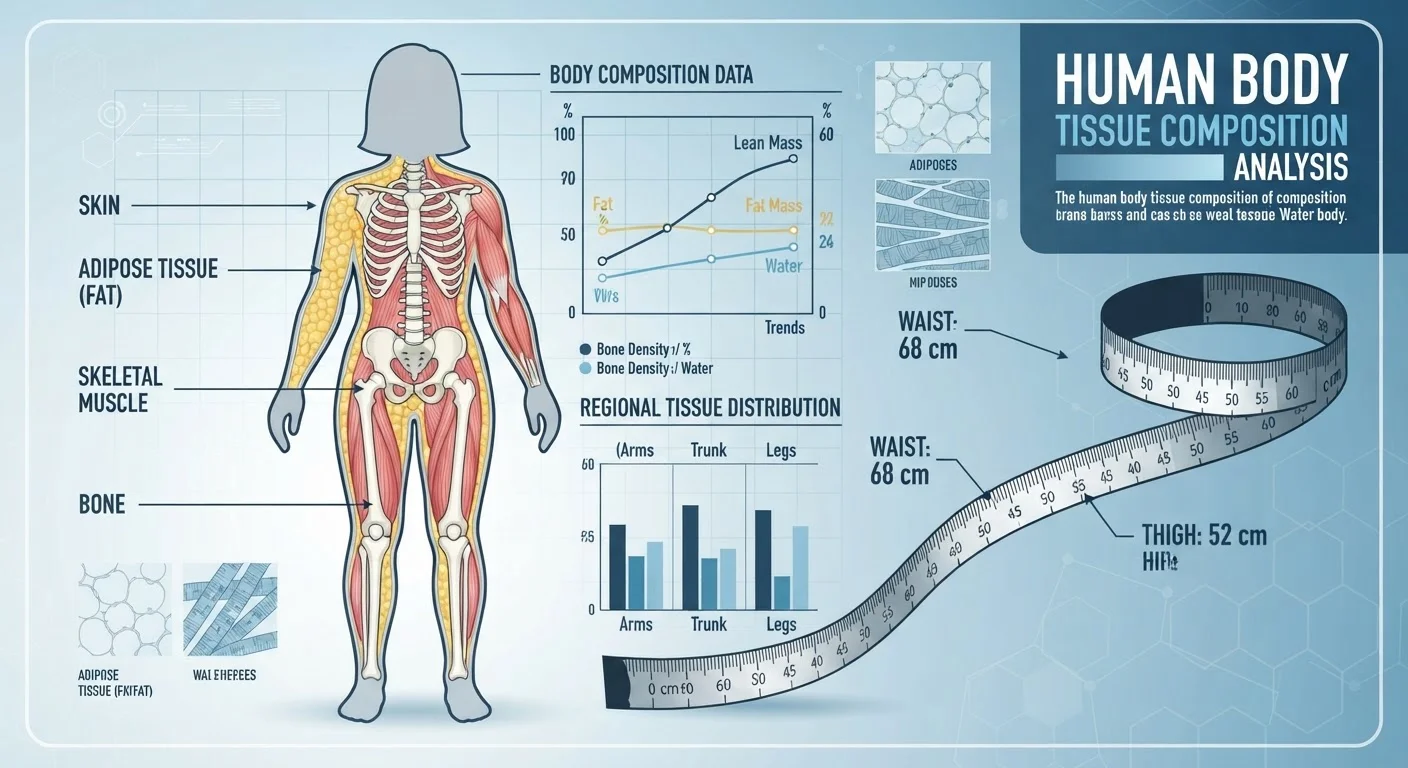
Daily weight can fluctuate by several pounds due to fluid shifts, glycogen storage, sodium intake, and hormonal variation — none of which reflect actual changes in fat or lean tissue. Someone following a resistance training program may lose fat while gaining muscle, with little net change in scale weight, yet experience significant improvements in strength, metabolic rate, and functional capacity. Progress metrics better aligned with health outcomes include changes in waist circumference, resting heart rate, strength benchmarks, and energy levels. The weight management hub outlines evidence-based frameworks for evaluating meaningful progress.
Myth
Metabolism slows so dramatically with age that weight gain becomes essentially inevitable.
Fact
Metabolic rate does decline with age, but the primary driver is loss of lean muscle mass — a factor that resistance training can substantially mitigate.
Research published in Science in 2021, analyzing metabolic data across the lifespan, found that total energy expenditure adjusted for lean mass remains relatively stable from ages 20 to 60 before declining modestly. The more significant metabolic change across adulthood is the gradual loss of skeletal muscle — a process called sarcopenia — which reduces resting metabolic rate over time. Because muscle is metabolically active tissue, preserving it through progressive resistance training is one of the most evidence-supported strategies for maintaining metabolic health as we age. Our article on strength training misconceptions addresses the specific barriers that often prevent people from using this approach.
What Functional Body Composition Science Actually Tells Us
The shift away from weight-centric thinking toward body composition is supported by a substantial and growing evidence base. Functional health outcomes — including insulin sensitivity, cardiovascular risk markers, mobility, and longevity — correlate more closely with lean mass preservation and fat distribution patterns than with total body weight alone. This is not a fringe view; it reflects mainstream clinical consensus across endocrinology, sports medicine, and metabolic research.
This Is General Health Information Only
The content in this article is intended for educational purposes and does not constitute medical advice. Body composition assessments and any related health or fitness decisions should be discussed with a qualified healthcare provider who can account for your individual circumstances.
Practical takeaways from the science include prioritizing resistance training to maintain lean mass, using multiple metrics rather than scale weight alone to evaluate health trends, and being skeptical of any program promising targeted fat loss in specific body areas. For a broader look at how diet quality intersects with these principles, our article on dietary fat and what research consistently shows provides useful context. Readers interested in how everyday nutrition beliefs hold up under scrutiny may also find value in common nutrition misconceptions examined.
This article is for general informational and educational purposes only and does not constitute medical advice. Consult a qualified healthcare professional before making changes to your exercise, nutrition, or health management approach.