
Why Your Energy Isn't Random
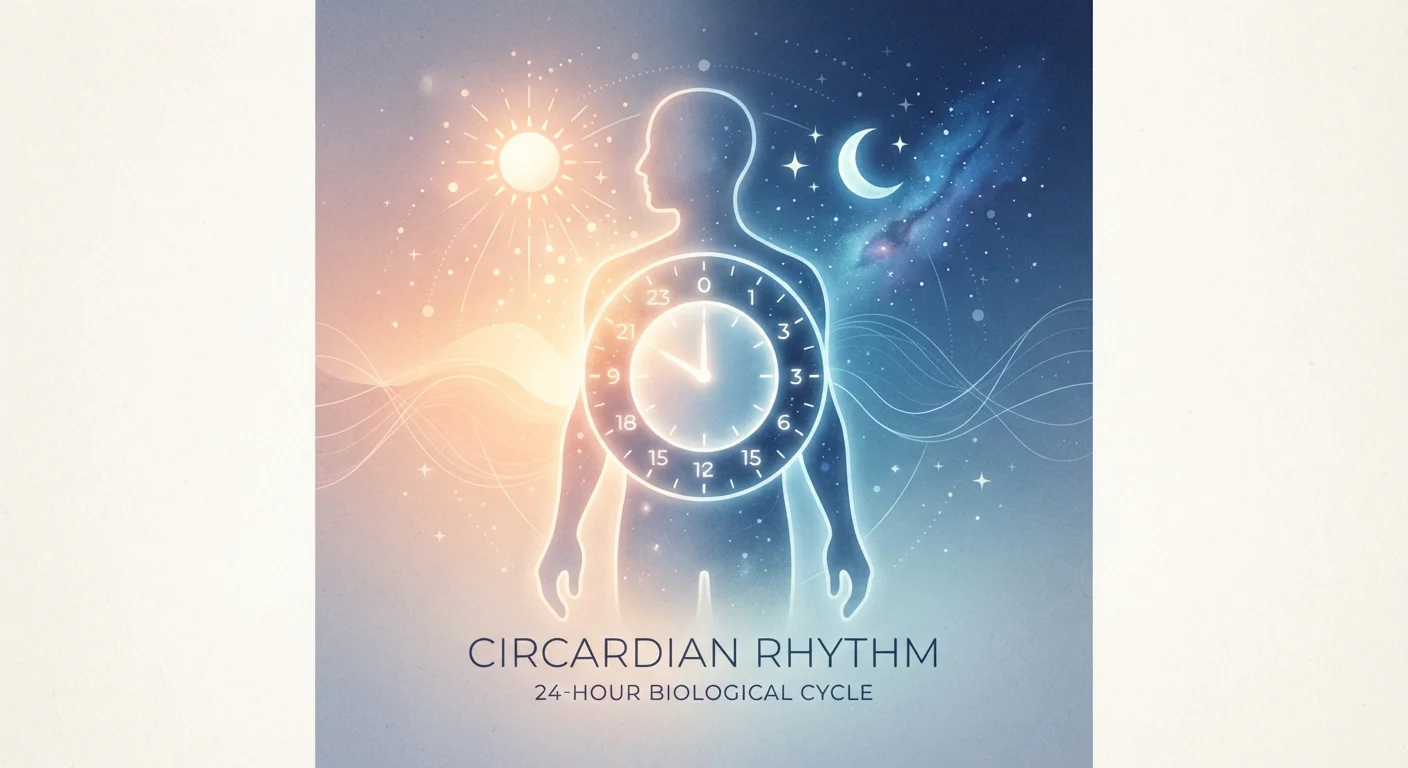
Most people assume their afternoon slump is caused by a heavy lunch or poor sleep the night before. While those factors play a role, the deeper driver is chronobiology — the study of how biological processes follow rhythmic time patterns. Your alertness, mood, reaction time, and even body temperature rise and fall in predictable waves across each 24-hour period.
This internal timing system, often called the circadian rhythm, is regulated by a cluster of neurons in the brain that respond to light and other environmental cues. Understanding it is the first step toward working with your biology instead of against it. For a deeper look at the mechanics, see how your body's 24-hour clock works.
Know Your Chronotype First
Before redesigning your schedule, it helps to identify your chronotype — your genetically influenced preference for earlier or later activity. Early chronotypes (often called "morning larks") reach peak alertness before noon. Late chronotypes ("night owls") tend to hit their cognitive stride in the late morning or early afternoon and feel most creative in the evening.
Neither type is superior. Forcing a night owl to front-load their most demanding work at 6 a.m. is a losing strategy. Research in circadian science consistently shows that performance on tasks requiring sustained attention and working memory is best when scheduled at an individual's peak alertness window, not at a socially convenient time. For more on how this rhythm shapes sleep and wakefulness, visit your circadian rhythm explained.
Building Anchor Points Into Your Day
The most durable energy-aligned routines share a common feature: consistent anchor times. A fixed wake time, a predictable first meal, and a regular wind-down sequence act as biological signals that reinforce your internal clock. Over time, these anchors make transitions between activity states — focused work, rest, exercise — feel more natural and less forced.
This is the same neurological principle behind habit formation: repeated cues reduce the cognitive load of initiating a behavior. For a fuller explanation of how that mechanism works, see the science behind habit formation and daily routines. The goal isn't a rigid timetable — it's a reliable structure that your body learns to anticipate.
Aligning Tasks, Rest, and Movement
Once you know your peak window, use it deliberately. Schedule analytical tasks — writing, decision-making, complex problem-solving — during high-alertness hours. Reserve email, administrative work, and routine tasks for the post-lunch dip, when most people experience a natural drop in alertness. Late afternoon often brings a secondary rise in energy that works well for collaborative work or moderate-intensity exercise.
Sleep and recovery deserve the same intentionality. Exposure to bright light in the morning anchors your clock earlier; avoiding screens and bright overhead lighting in the hour before bed helps melatonin rise on schedule. For practical routines that support this, the Better Sleep Habits hub offers evidence-aligned guidance. You might also explore morning vs. evening routines to decide where to focus first.
Sustained consistency across these patterns — not perfection on any single day — is what produces measurable health benefits over time, as outlined in the science behind why daily routines improve long-term health.
This article is for general informational and educational purposes only and does not constitute medical advice. Individual health needs vary. Consult a qualified healthcare professional before making significant changes to your sleep schedule, diet, or activity level, especially if you have an existing health condition.