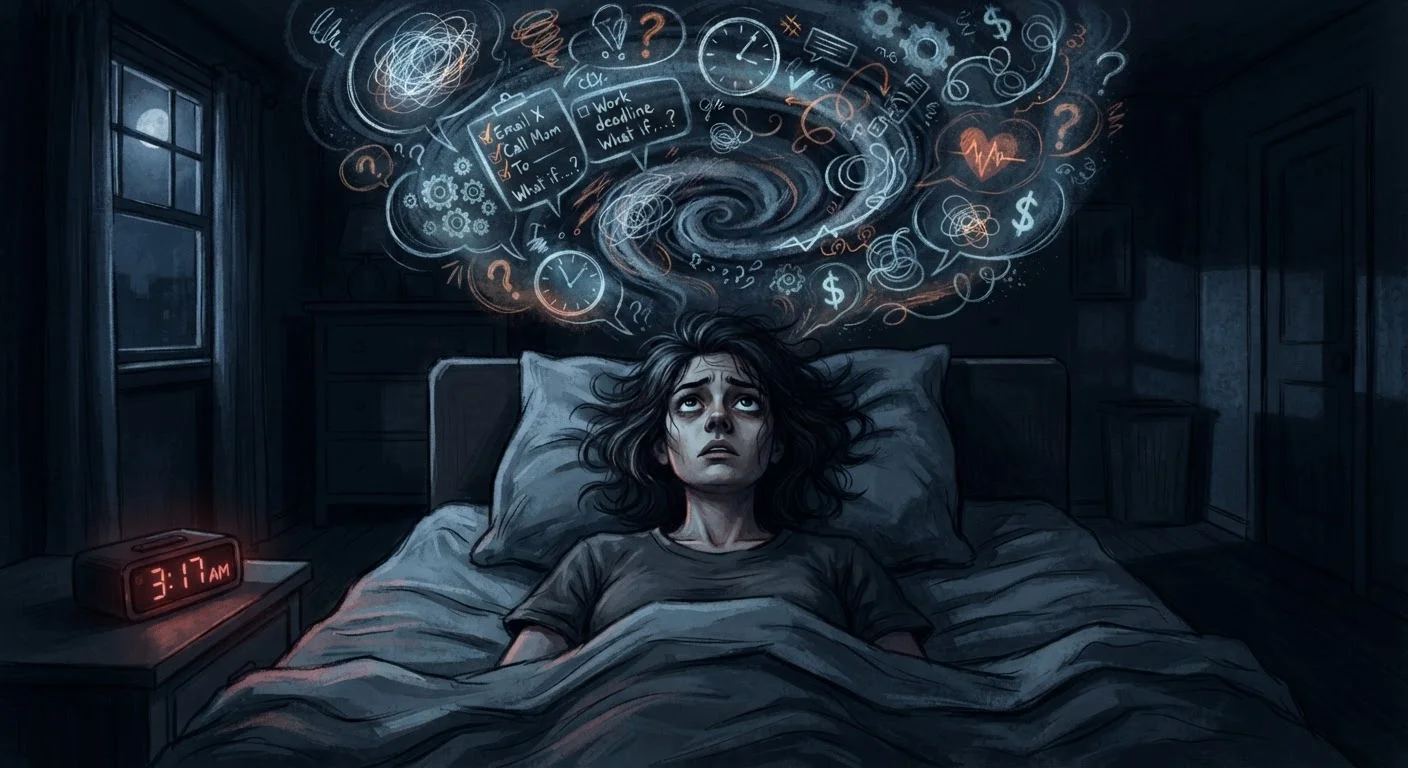

Why Nighttime Habits Matter More Than You Think
Sleep isn't a passive state your body stumbles into — it's an active, regulated biological process. The habits you practice in the two to three hours before bed send powerful signals to your nervous system, either priming it for deep, restorative sleep or keeping it in a low-grade state of alertness. The tricky part: many of the most disruptive habits feel relaxing or harmless in the moment.
Restful sleep and active recovery aren't luxuries — they're foundational to immune function, mood regulation, metabolic health, and cognitive performance. Our Better Sleep Habits hub covers the broader framework, but this article zeroes in on the specific mistakes that quietly erode sleep quality night after night. Understanding why these habits work against you is the first step to changing them.
The Most Common Sleep-Undermining Mistakes
The following patterns are widespread precisely because they don't feel like problems. Each one interferes with sleep through a distinct physiological or behavioral mechanism — and most can be adjusted without dramatic lifestyle overhaul.
Using alcohol as a sleep aid.
Why it happens: Alcohol has a sedative effect that makes falling asleep easier, so many people assume it improves sleep overall.
Scrolling through a phone or watching stimulating content right up until bedtime.
Why it happens: Screens are deeply habitual, and winding down with entertainment feels restful even when the content is activating.
Keeping an irregular sleep schedule, especially sleeping in significantly on weekends.
Why it happens: Weekend sleep-ins feel like a way to recover from the week, and few people realize they have a quantifiable effect on circadian rhythm.
Eating a large meal or heavy snack close to bedtime.
Why it happens: Busy schedules push dinner late, and evening hunger is real — especially for people who under-eat during the day.
Keeping the bedroom too warm.
Why it happens: People associate warmth with comfort and coziness, making a cool bedroom feel counterintuitive for sleep.
Exercising intensely too close to bedtime.
Why it happens: Many people can only fit workouts into their evenings and aren't aware of the timing effect on arousal.
If you recognize several of these patterns in your own routine, you're not alone. Research consistently shows that sleep hygiene knowledge and actual practice often don't match. The gap between knowing what helps and doing it is where most sleep problems quietly live. For a fuller audit of your pre-bed habits, see The Pre-Bed Routine Audit.
Building a Smarter Evening Routine
Correcting these habits doesn't require a rigid schedule — it requires intentionality. Think of your evening as a gradual transition rather than an abrupt stop. Dimming lights, stepping away from screens, keeping your sleep and wake times consistent on weekends as well as weekdays, and being mindful of what and when you eat and drink are all evidence-backed strategies with low friction and meaningful payoff.
For a deeper look at how to structure this transition, Evening Wind-Down: How to Signal Your Body That the Day Is Done walks through the physiological and behavioral principles behind an effective wind-down. And if stress and racing thoughts are a recurring issue at bedtime, Stress, Rumination, and the Racing Mind explains the cortisol-sleep loop and what to do about it.
If you've made consistent changes to your evening habits and still wake feeling unrefreshed, it may be worth speaking with a healthcare provider. Persistent daytime fatigue, as explored in Signs Your Daytime Fatigue Might Be a Sleep Disorder, can sometimes signal an underlying condition that lifestyle changes alone won't resolve.
This article is for general informational purposes only and is not a substitute for professional medical advice. If you have concerns about your sleep or health, please consult a qualified healthcare provider.