Why Preparation Matters Before You Sit Down
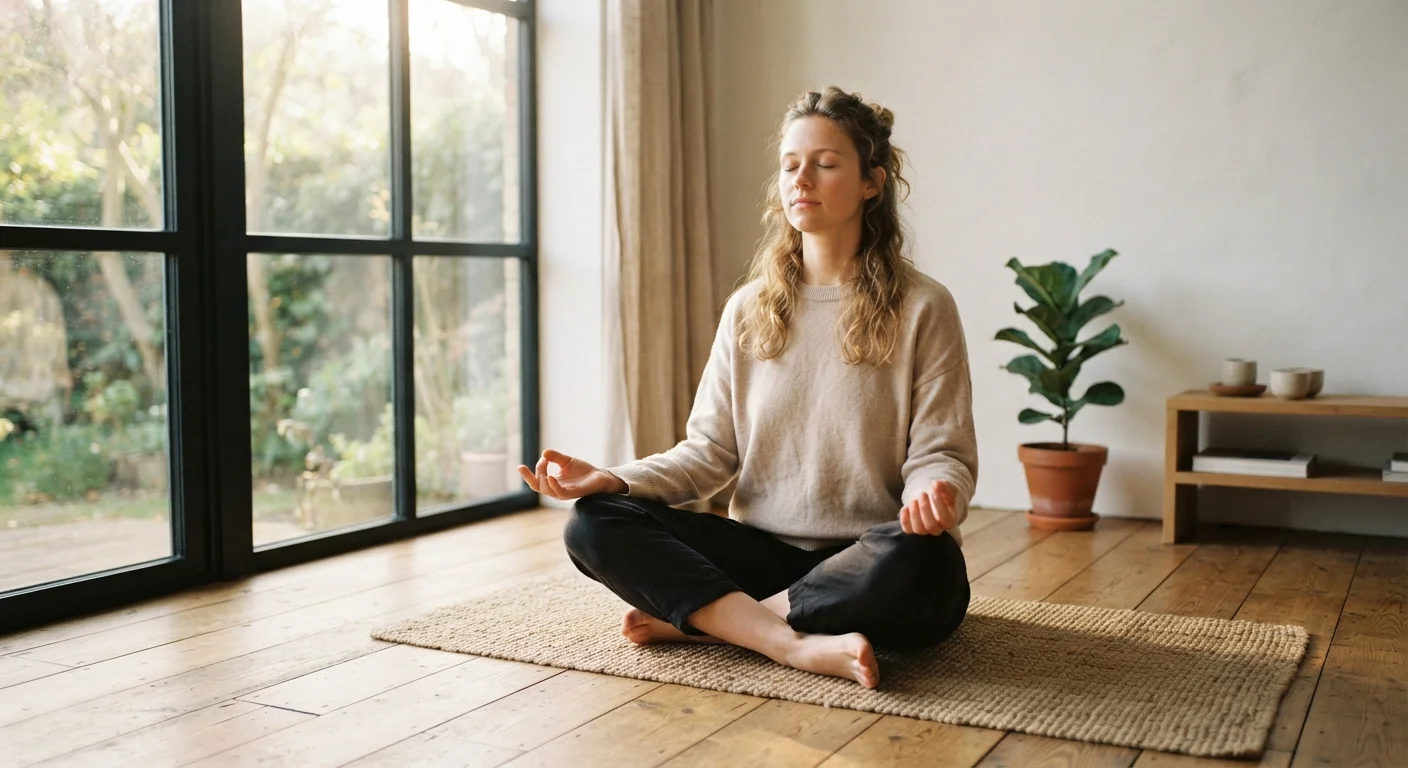
Starting a meditation practice sounds simple — just sit, breathe, and quiet your mind. But many beginners abandon the habit within the first week, not because meditation doesn't work, but because small, avoidable friction points get in the way. Maybe the room was too noisy. Maybe they expected mental silence and felt like failures when thoughts kept arriving. Maybe they had no idea how long to sit or what posture to use.
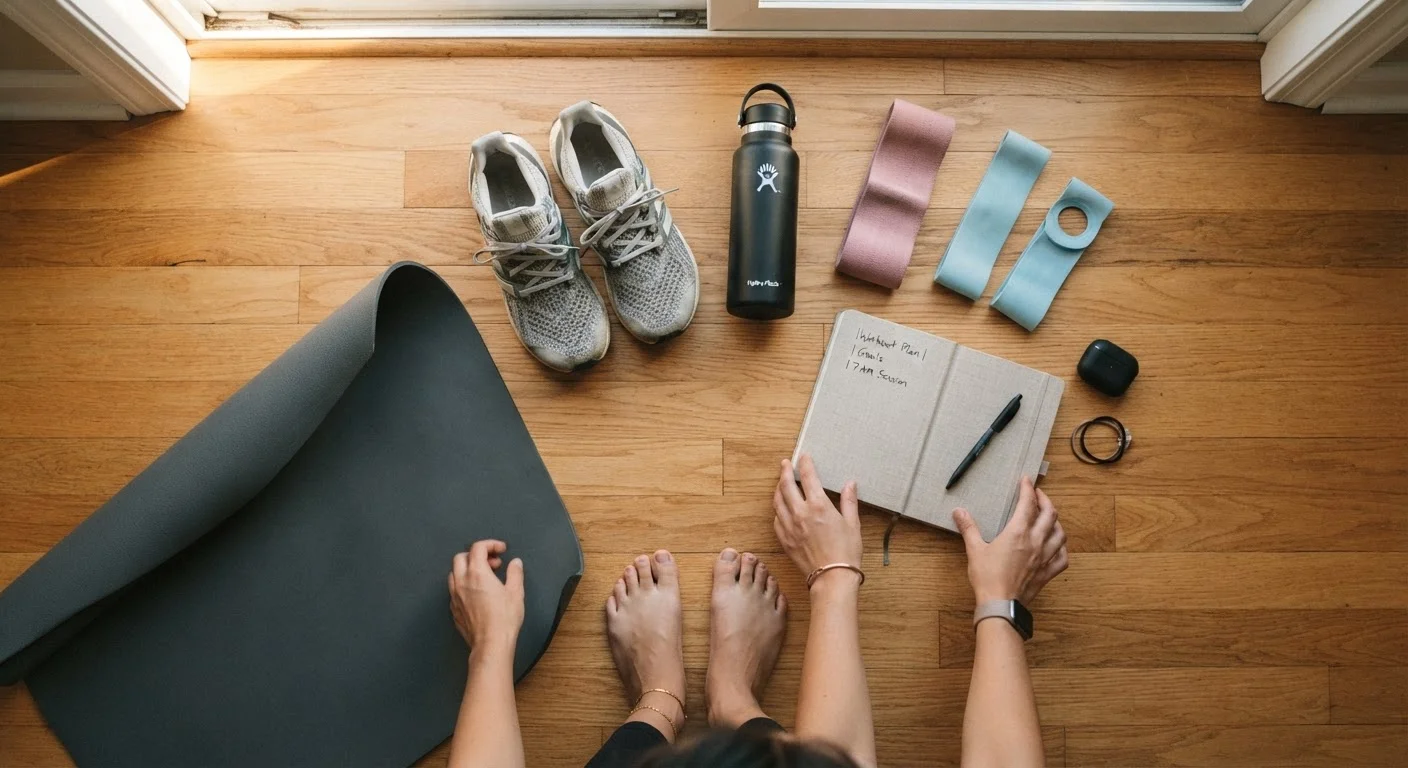
A little upfront preparation dissolves most of these obstacles before they arise. Think of this checklist the way you'd think about preparing before starting an exercise routine: doing a few checks in advance means you spend your energy on the practice itself, not troubleshooting mid-session.
This checklist is organized into four areas — your mindset, your environment, your timing, and your first-session approach. Work through it once before you begin, and revisit it anytime the practice starts to feel like a chore. For a broader understanding of what mindfulness actually involves and what research says about its benefits, the Starter's Overview of Mindfulness for Stress is a helpful companion read.
Mindset & Expectations
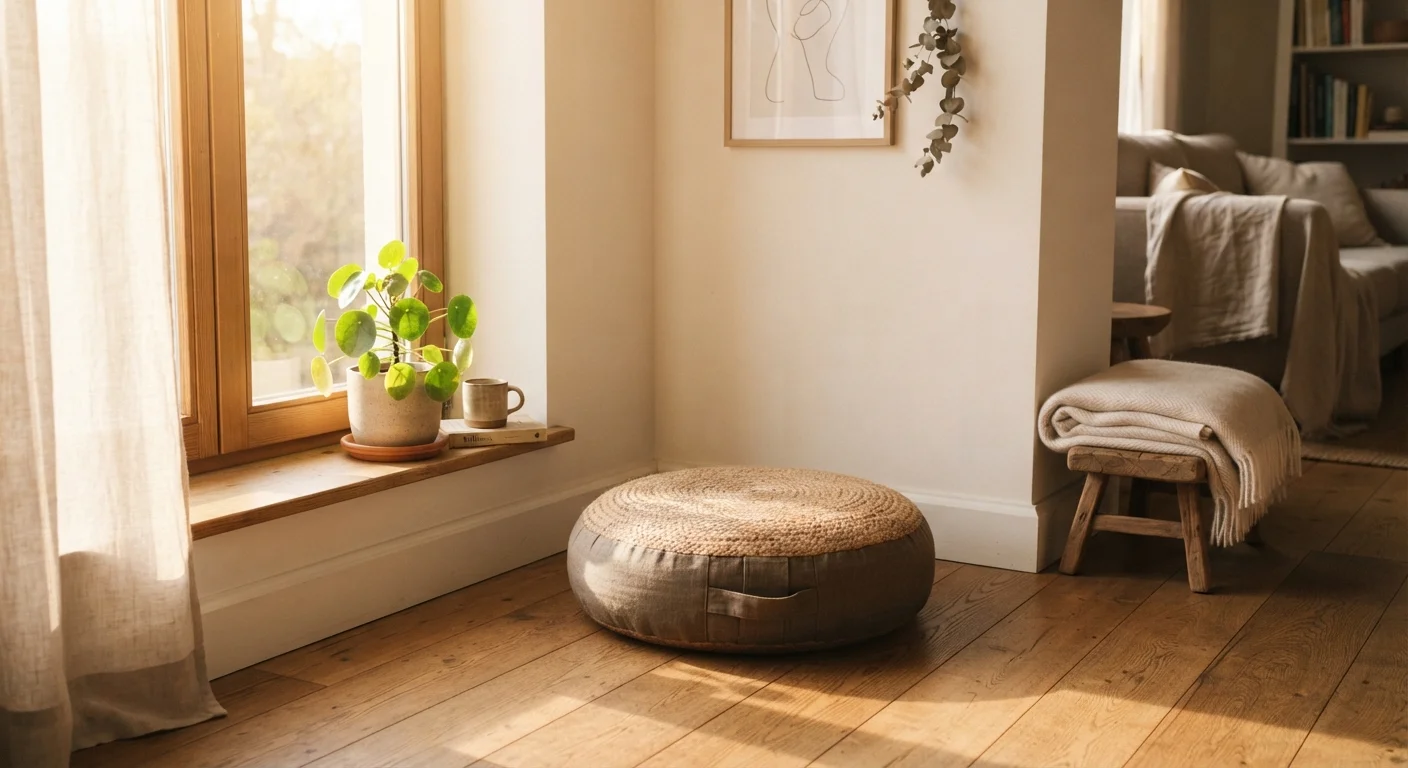
Environment Setup
Timing & Scheduling
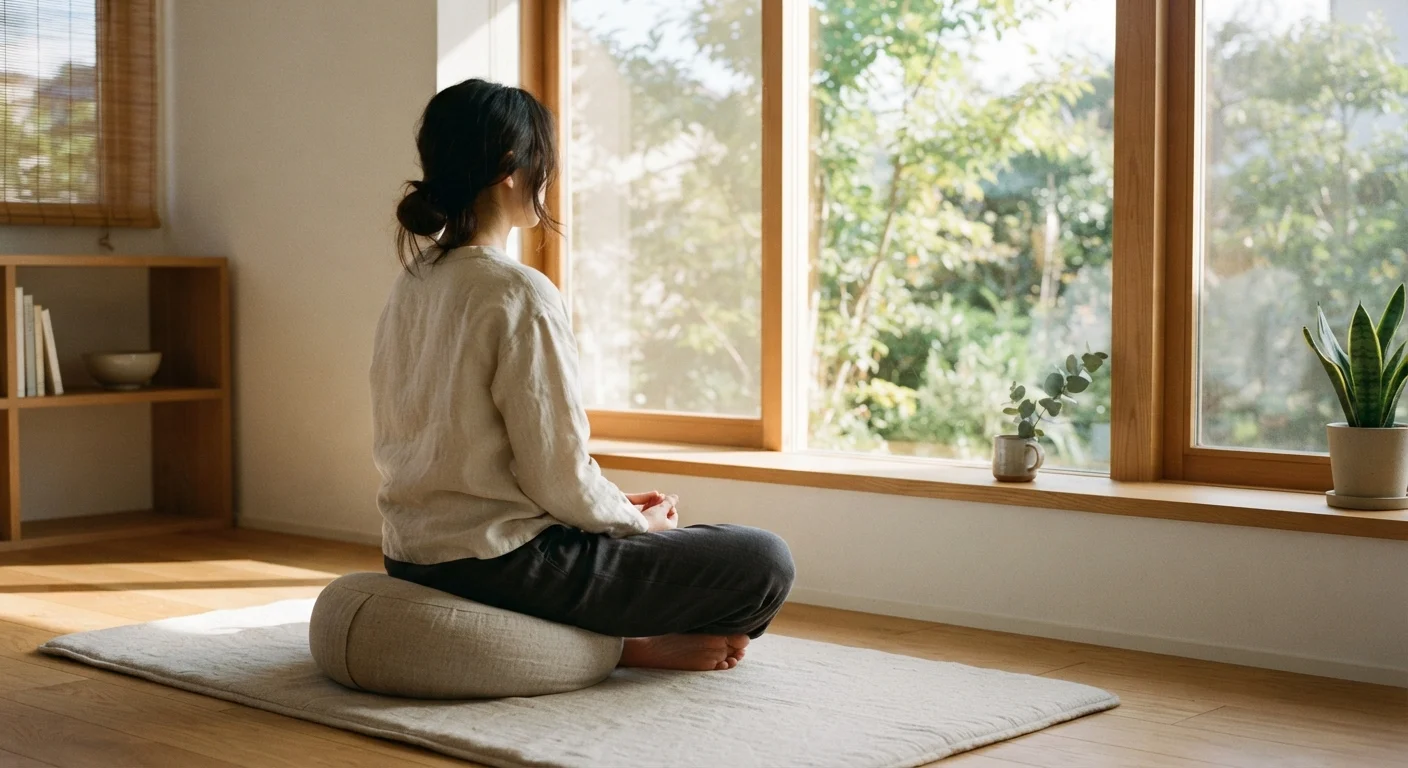
Posture & Physical Comfort
First-Session Approach
Using This Checklist to Build a Lasting Habit
Working through each item once takes about 15 to 30 minutes — and most of it is reflection, not action. The goal isn't perfection; it's removing the small friction points that cause new practitioners to give up before they've had a fair chance.
Meditation Isn't Suitable as a Crisis Tool
If you are currently experiencing acute emotional distress, a mental health crisis, or symptoms of a serious condition such as panic disorder or PTSD, please reach out to a qualified mental health professional before starting a self-directed meditation practice. Research suggests that for some people in certain circumstances, intensive introspective practices may feel uncomfortable or destabilizing. A professional can help you determine the right approach for your specific situation.
Once you've reviewed your readiness, the next practical step is building the habit itself. Our 30-day mindfulness framework walks you through the first month week by week, starting with sessions as short as five minutes. You can also explore broader daily routine frameworks if you'd like to anchor your meditation practice to an existing morning or evening habit.
Meditation is a skill, not a performance. The preparation you do today makes it far more likely that tomorrow's session — and the one after that — actually happens.
This article is for general informational and educational purposes only. It is not a substitute for professional medical or mental health advice. If you have concerns about your mental health or are managing a condition such as anxiety, depression, or trauma, please consult a qualified healthcare professional before beginning any new wellness practice.