Why Macronutrient Ratios Vary So Widely
Carbohydrates, protein, and fat each provide energy and serve distinct roles in the body. For a thorough grounding in how each macronutrient is digested and used, see our complete macronutrient overview. But knowing what each macro does is only part of the picture — understanding how different eating patterns weight them against each other helps explain why a Mediterranean plate looks so different from a ketogenic one.
The USDA Dietary Guidelines for Americans provide a widely referenced baseline: roughly 45–65% of daily calories from carbohydrates, 10–35% from protein, and 20–35% from fat. These ranges are intentionally broad, acknowledging that human nutrition isn't one-size-fits-all. Different dietary traditions and health-focused eating patterns land in very different parts of those ranges — or sometimes outside them entirely.
Comparing Four Common Dietary Patterns
The table below summarizes how four well-recognized eating patterns distribute calories across the three macronutrients. These are approximate ranges drawn from nutritional research and published dietary guidelines — individual menus within each pattern will vary.
| Mediterranean | Low-Carb / Keto | Plant-Based (Whole Food) | USDA Guidelines Baseline | |
|---|---|---|---|---|
| Carbohydrates (% of calories) | 40–50% | 5–20% | 55–70% | 45–65% |
| Protein (% of calories) | 15–20% | 15–30% | 10–20% | 10–35% |
| Fat (% of calories) | 30–40% | 60–75% | 15–25% | 20–35% |
| Primary fat sources | Olive oil, fish, nuts | Animal fats, oils, nuts | Nuts, seeds, avocado | Varies widely |
| Primary carbohydrate sources | Whole grains, legumes, fruit | Non-starchy vegetables only | Grains, legumes, fruit | Grains, fruit, vegetables |
| Complete protein accessibility | High (fish, legumes) | High (meat, eggs, dairy) | Requires food combining | Varies by food choices |
| Fiber intake tendency | High | Low to moderate | Very high | Moderate |
A few important notes: these ratios describe energy distribution, not food volume. Fat is more calorie-dense (9 calories per gram) than carbohydrates or protein (4 calories per gram each), so a diet that looks fat-heavy by calorie percentage may not look that way on a plate. For a quick-reference on caloric values per macronutrient, see our macronutrient quick-reference guide.
What Drives the Differences
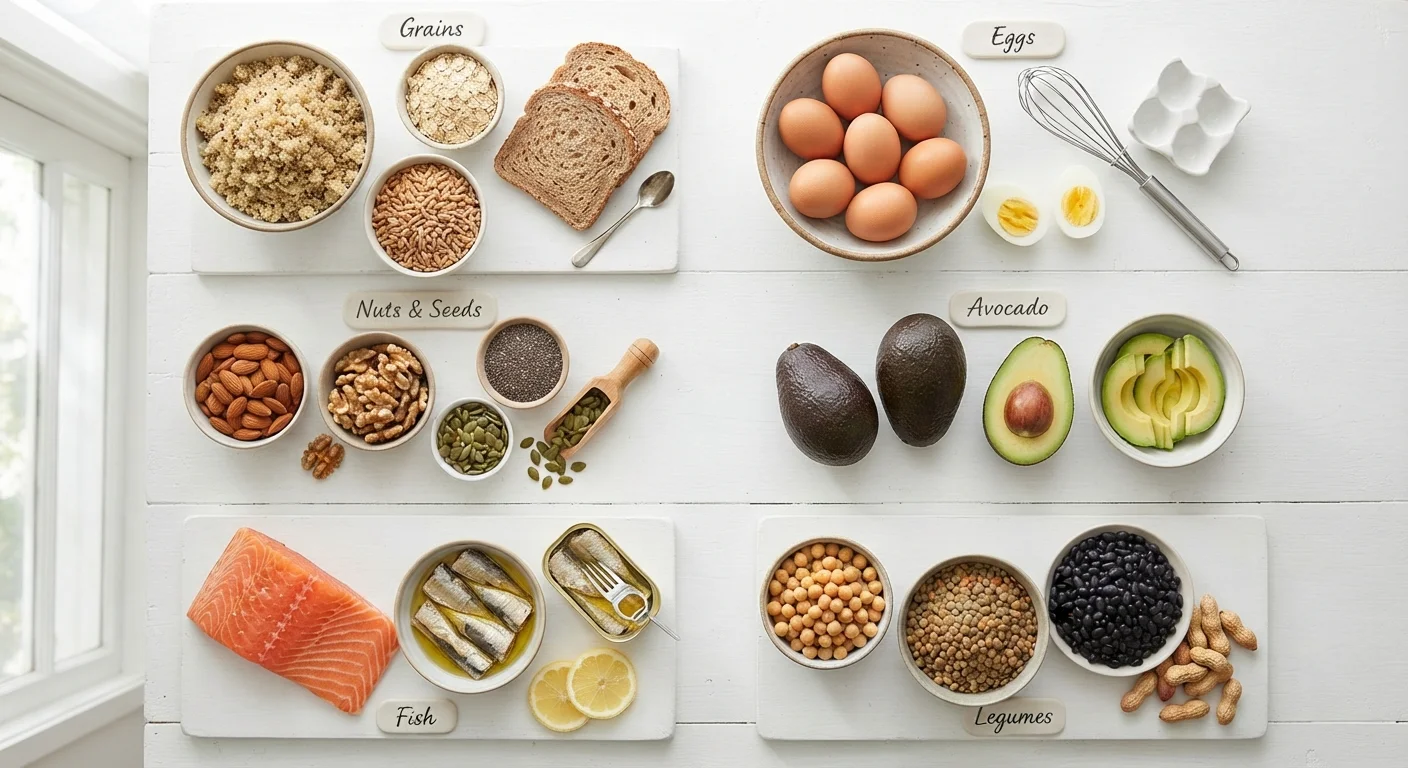
Mediterranean pattern: Rooted in traditional Southern European cuisine, this pattern leans on olive oil, legumes, whole grains, fish, and vegetables. Its moderate fat intake (largely unsaturated) and moderate carbohydrate content reflect a diet built around culturally available whole foods rather than engineered ratios. It consistently shows up in research as associated with positive cardiovascular outcomes, though correlation and causation are important to distinguish.
Low-carb and ketogenic patterns: These approaches deliberately restrict carbohydrates — sometimes to under 10% of calories — to shift the body's primary fuel source from glucose toward fat and ketone bodies. The metabolic state of ketosis requires strict carbohydrate limits (typically under 50 grams per day). These patterns are often explored for blood sugar management but should be undertaken with medical guidance, particularly for people with diabetes or kidney concerns.
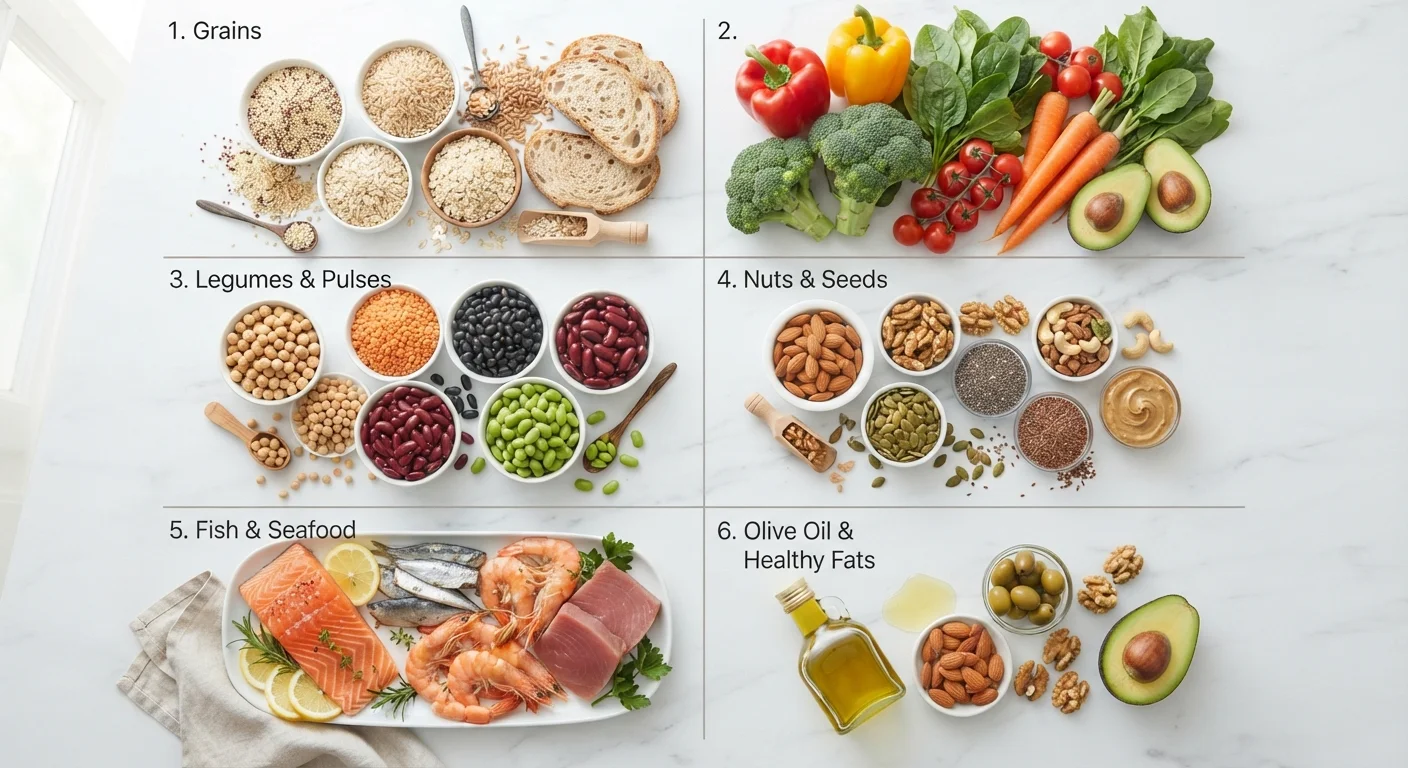
Whole-food plant-based pattern: By centering vegetables, fruits, legumes, and whole grains while minimizing animal products, this eating style naturally skews toward higher carbohydrates and lower fat. Getting adequate complete protein — meaning protein containing all essential amino acids — requires intentional pairing of plant protein sources such as grains and legumes. Healthy eating habit strategies can help with building sustainable plant-based meals.
Flexibility Within Any Pattern
Most eating patterns have room for adjustment without abandoning their core approach. A plant-based eater can boost protein by adding more legumes and soy foods; a Mediterranean eater can lower refined carbs by favoring whole grains. Focus on the overall food quality within whichever pattern fits your life, rather than hitting a precise percentage split on any given day.
It's worth noting that popular dietary labels can cover a wide range of actual eating behaviors. Two people who both describe themselves as "low-carb" may have very different macronutrient profiles in practice. Common macro myths often emerge from this kind of labeling ambiguity.
Reading Your Own Plate
Understanding macronutrient ratios doesn't require tracking every gram you eat. It does help to recognize which food groups anchor each macro — and to notice how your current eating pattern compares to these broader templates. Reading nutrition labels through a macronutrient lens is a practical skill that brings these abstract ratios to life at the grocery store or in your kitchen.
If you're considering a significant shift in how you distribute your macronutrients — especially for a health condition — working with a registered dietitian provides guidance tailored to your specific situation rather than a generalized template.
This article is for general informational and educational purposes only and is not a substitute for professional medical or nutritional advice. Always consult a qualified healthcare provider before making significant changes to your diet.