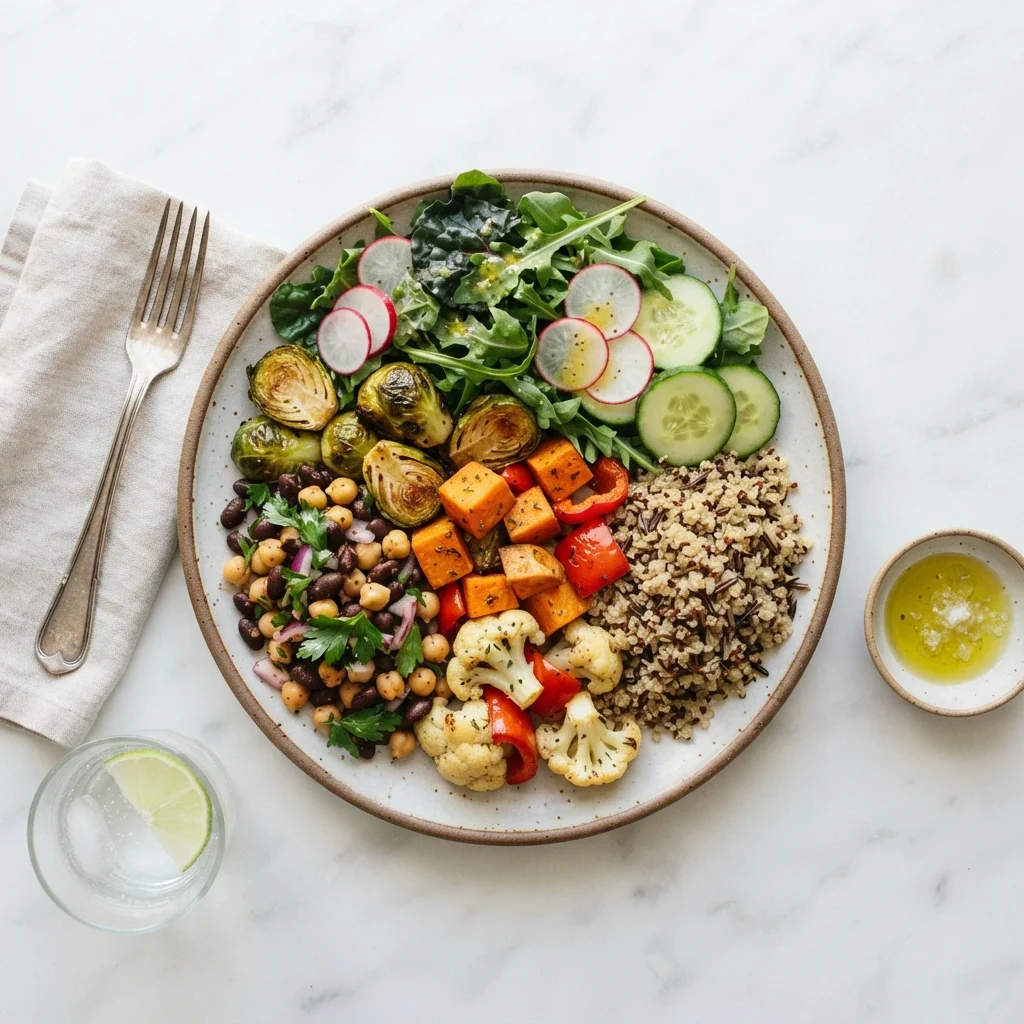
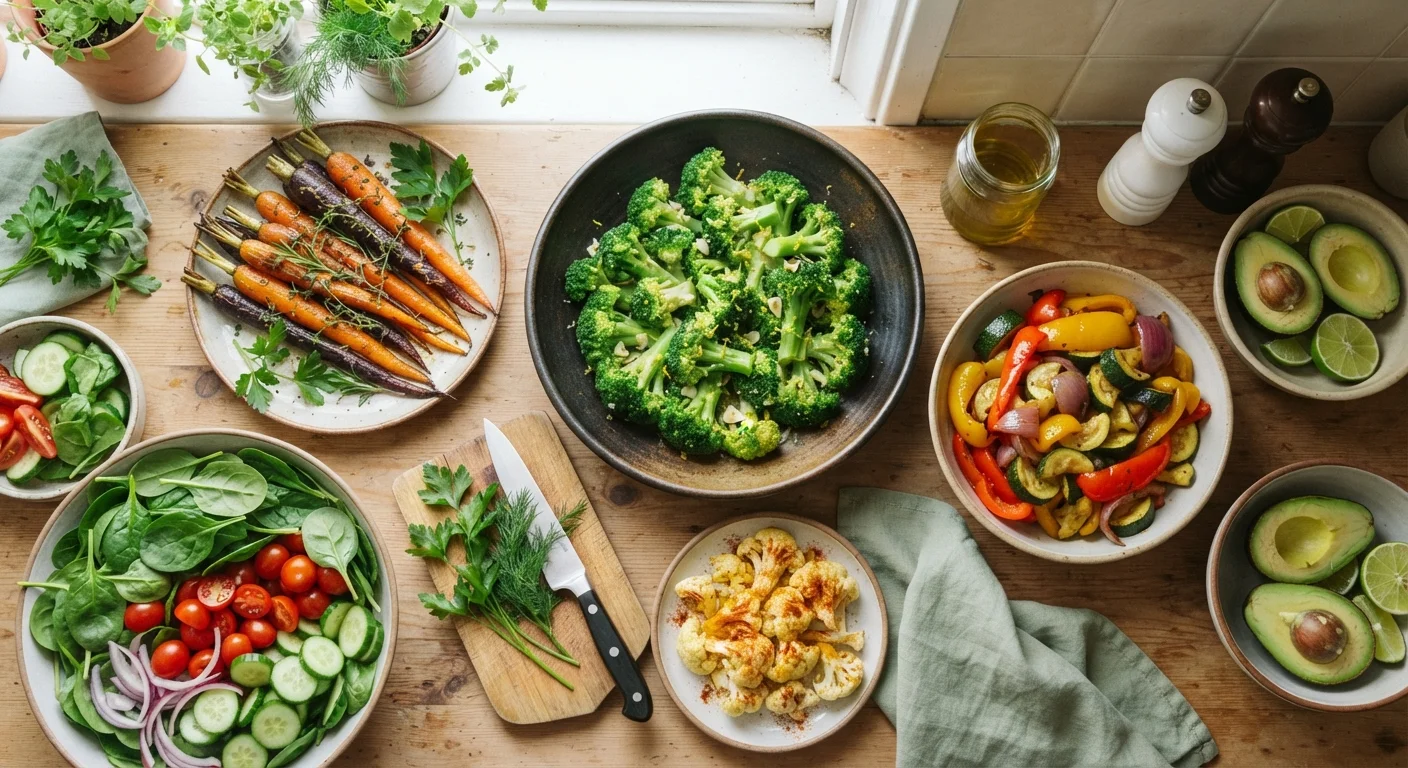
Why Cooking Method Matters for Nutritional Value
Most Americans know vegetables are good for them, but fewer realize that how they cook those vegetables can significantly change the vitamin and mineral content that actually reaches the body. Nutrients respond differently to heat, water, oxygen, and light — and understanding these interactions helps you make smarter everyday choices without abandoning the cooking styles you already enjoy.
Two major factors drive nutrient loss: heat degradation, which destroys certain vitamins, and leaching, where water-soluble nutrients dissolve into cooking liquid. Fat-soluble vitamins (A, D, E, K) are relatively stable during cooking, while water-soluble vitamins — particularly vitamin C and the B vitamins — are far more vulnerable. Minerals are generally more resilient than vitamins but can still leach into water.
Boiling: Convenient but Nutrient-Costly
Boiling is one of the most common cooking methods in American kitchens, but it carries the highest risk of nutrient loss. When vegetables are submerged in large volumes of water, water-soluble vitamins migrate out of the plant tissue and into the surrounding liquid. Research has shown that boiling can reduce vitamin C content in vegetables by 40–60%, depending on cooking time and vegetable type.
The longer the boil, the greater the loss. Cutting vegetables into smaller pieces before boiling accelerates leaching by increasing surface area exposed to water.
Don't Throw Out the Cooking Water
When boiling vegetables, a significant portion of water-soluble vitamins like vitamin C and B vitamins transfers into the cooking liquid. Rather than pouring it down the drain, consider saving it to use as a base for soups, sauces, or grain cooking. This simple habit recaptures nutrition that would otherwise be lost.
If boiling is your preferred or most practical method, don't discard the cooking water. Using it as a base for soups, stews, or sauces lets you recover a meaningful portion of the vitamins and minerals that leached out during cooking.
Steaming and Microwaving: Higher Retention, Less Fuss
Steaming is consistently recognized as one of the most nutrient-preserving cooking methods. Because vegetables sit above — not in — the water, leaching is minimal. Studies have found that steaming retains significantly more vitamin C and folate compared to boiling. Broccoli, for example, retains substantially more of its glucosinolates (plant compounds associated with health benefits) when steamed rather than boiled.
Microwaving is often underestimated. Because cooking times are short and little to no water is required, microwaving can actually rival steaming in nutrient retention. The key is using minimal added water and not overcooking. For busy households, the microwave is a genuinely solid nutritional choice — not just a shortcut.
Roasting, Sautéing, and the Bioavailability Upside
Roasting and sautéing use dry heat and fat rather than water, which eliminates leaching but introduces heat-related degradation for some vitamins. High oven temperatures can reduce vitamin C and certain B vitamins, though the extent depends on time and temperature. That said, these methods have real nutritional advantages worth noting.
Adding a small amount of fat — such as olive oil when roasting — enhances the absorption of fat-soluble vitamins (A, E, K) and beneficial plant pigments like beta-carotene. Cooking also breaks down cell walls, making certain nutrients and antioxidants more bioavailable than they are in raw form. Lycopene in tomatoes and beta-carotene in carrots are well-established examples where cooking improves what the body can actually absorb.
Steam or microwave vegetables when maximum vitamin retention is the priority.
These methods minimize leaching by keeping vegetables out of or away from large volumes of water, and their shorter cooking times reduce heat degradation of sensitive vitamins like C and folate.
Add a small amount of healthy fat when roasting or sautéing colorful vegetables.
Fat-soluble vitamins and carotenoid pigments require dietary fat for absorption. Without fat present, even a well-cooked carrot or sweet potato delivers less of its beta-carotene to the bloodstream.
Mix raw and cooked vegetables throughout the week rather than committing exclusively to one approach.
Raw vegetables preserve heat-sensitive vitamins, while cooking improves the bioavailability of certain antioxidants and reduces anti-nutrients like oxalates that can impair mineral absorption.
Keep cooking times short and cut vegetables into larger pieces when boiling is necessary.
Longer boiling times and more exposed surface area accelerate vitamin leaching into cooking water. Reducing both limits the total nutrient loss even when boiling is unavoidable.
Repurpose vegetable cooking water in soups, grains, or sauces.
A meaningful portion of water-soluble B vitamins and vitamin C migrates into boiling water during cooking. Using this liquid rather than discarding it recovers nutrition that would otherwise be lost.
Raw Vegetables: Not Always the Nutritional Gold Standard
Eating vegetables raw preserves heat-sensitive nutrients like vitamin C, but it isn't automatically superior to cooked. Some plant compounds are locked behind tough cell walls that cooking helps break down, reducing how much the body can use. Spinach eaten raw delivers oxalates that can bind to minerals like calcium and iron, limiting absorption — cooking reduces oxalate levels significantly.
A varied approach — mixing raw and cooked vegetables throughout the week — captures the benefits of both. This is a practical foundation for building a more nutritious everyday diet. For more ways to improve your micronutrient intake through practical daily choices, see our guide to building a more nutrient-dense plate without overhauling how you already eat.
This article is for general informational purposes only and is not a substitute for personalized medical or dietary advice. Consult a qualified healthcare professional or registered dietitian for guidance specific to your health needs.