
Why Your Body Sends Signals
Your body is remarkably good at communicating when something is off. Persistent fatigue, hair that breaks too easily, or a wound that seems to take forever to heal are not random annoyances — they can be your body's way of flagging a nutrient shortfall. Understanding those signals is the first step toward addressing them.
Vitamin and mineral deficiencies rarely appear overnight. They develop gradually as dietary gaps accumulate, and the earliest symptoms are often subtle enough to be dismissed. This reference guide walks through the most commonly reported physical signs associated with specific micronutrient shortfalls — and explains what those signs may mean. For a broader look at how these nutrients function at a cellular level, see what vitamins and minerals actually do in your body.
This article is for general informational purposes only and is not a substitute for medical advice. If you are experiencing persistent symptoms, consult a qualified healthcare professional for proper evaluation and testing.
Common Symptoms and What They May Indicate
The table below pairs frequently reported physical symptoms with the deficiencies most commonly associated with them. It is important to note that symptoms are rarely specific to a single deficiency — a healthcare provider and blood work are needed to confirm any diagnosis.
| Symptom | Commonly Associated Deficiency | Notable Food Sources |
|---|---|---|
| Persistent fatigue and weakness | Iron, Vitamin B12, Vitamin D | Lean meats, legumes, fortified cereals, dairy, fatty fish |
| Pale or yellowish skin | Iron, Vitamin B12, Folate | Eggs, leafy greens, beef, lentils |
| Brittle nails and hair loss | Biotin (B7), Iron, Zinc | Eggs, nuts, seeds, shellfish |
| Slow wound healing | Vitamin C, Zinc | Citrus fruit, bell peppers, pumpkin seeds, oysters |
| Bone pain or muscle weakness | Vitamin D, Calcium, Magnesium | Fortified milk, fatty fish, leafy greens, almonds |
| Bleeding or swollen gums | Vitamin C | Strawberries, broccoli, kiwi, citrus |
| Night blindness or dry eyes | Vitamin A | Liver, carrots, sweet potato, dark leafy greens |
| Numbness or tingling in hands and feet | Vitamin B12, Vitamin B6 | Fish, poultry, fortified cereals, chickpeas |
| Muscle cramps | Magnesium, Potassium, Calcium | Bananas, beans, dairy, dark chocolate |
| Brain fog or difficulty concentrating | Iron, Vitamin B12, Omega-3s | Red meat, salmon, walnuts, fortified foods |
Several of the deficiencies listed here — including vitamin D, iron, and magnesium — are among those most frequently under-consumed in the American diet. For a deeper look at which gaps are most prevalent, see micronutrient gaps most American adults don't know they have.
When Symptoms Overlap and What to Do Next
One challenge in reading your body's signals is that many deficiency symptoms overlap significantly. Fatigue, for example, can point to low iron, low B12, inadequate vitamin D, or entirely unrelated conditions. That ambiguity is precisely why symptom awareness is a starting point — not a diagnosis.
If you notice one or more of the symptoms above persisting for several weeks, the most reliable next step is to speak with your doctor and request appropriate blood work. Standard panels can measure serum levels of iron, ferritin, vitamin D, B12, and folate, among others. Supplementing without testing first can sometimes cause harm — fat-soluble vitamins like A and D accumulate in the body and can reach toxic levels if overconsumed.
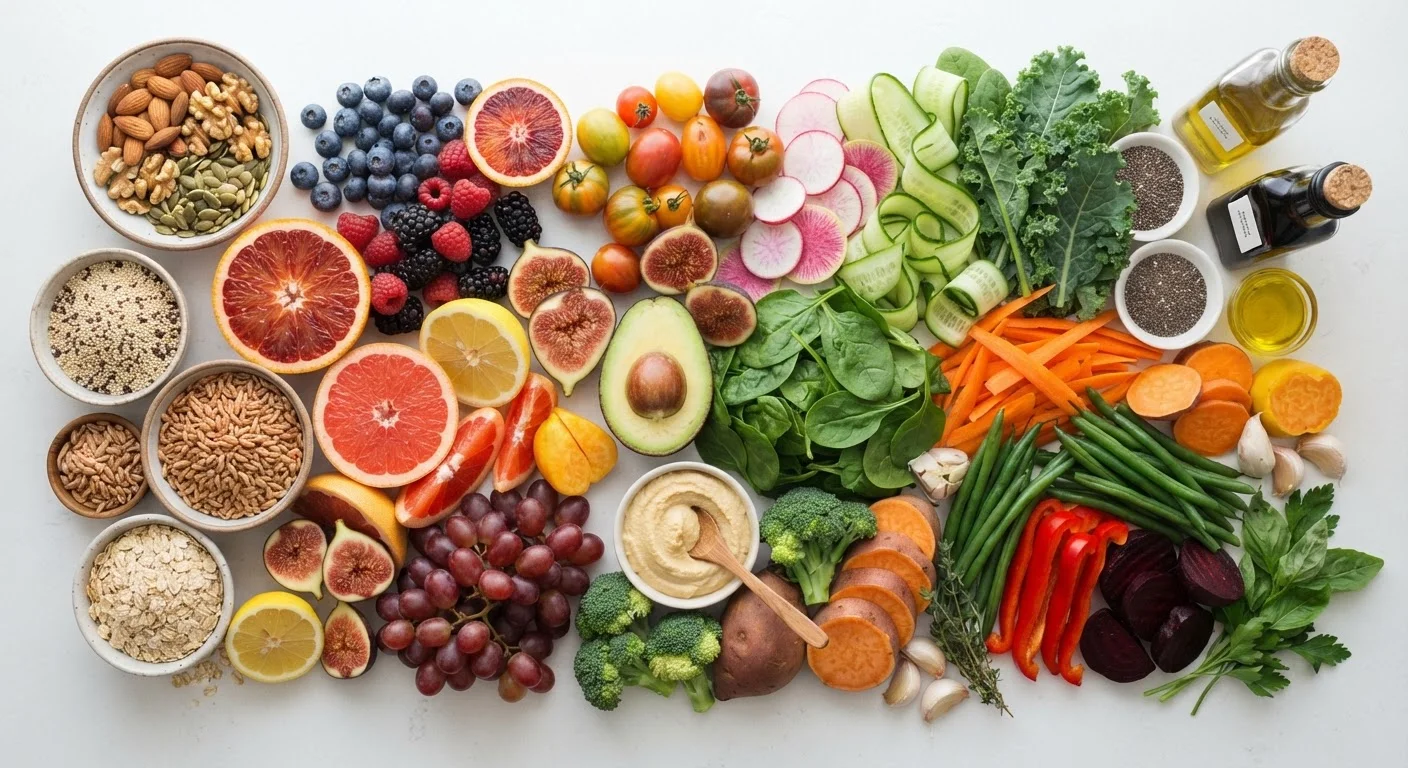
Diet remains the safest, most sustainable way to address most nutritional gaps. Rotating a wide variety of whole foods — colorful produce, whole grains, lean proteins, legumes, nuts, and seeds — covers the broadest micronutrient base. For a quick-reference overview of specific vitamins and minerals, their roles, and food sources, see the complete everyday reference for vitamins and minerals.
If you're curious about trace minerals specifically — including zinc, selenium, and iodine — which are linked to immune function, thyroid health, and wound repair, learn more about these often-overlooked micronutrients.
Special Populations Need Extra Attention
Certain groups face higher deficiency risks due to increased needs or reduced absorption: pregnant individuals (folate, iron), older adults (B12, vitamin D, calcium), people who follow plant-based diets (B12, iron, zinc, omega-3s), and those with gastrointestinal conditions affecting nutrient absorption. If you fall into any of these categories, consult a registered dietitian or physician before making changes to your diet or supplement routine.