
Why So Many Americans Fall Short on Key Micronutrients
Despite living in a country with an abundant food supply, many American adults routinely consume too little of several essential vitamins and minerals. The Dietary Guidelines for Americans identifies a recurring set of nutrients of public health concern — micronutrients that are consistently under-consumed at the population level and whose shortfalls are linked to health risks.
The reasons are predictable: diets heavy in ultra-processed foods, limited variety of vegetables and legumes, and everyday time pressures that make convenience food the default. The result is that gaps in micronutrient intake often go unnoticed. There are rarely dramatic symptoms in the early stages — just a quiet drag on how the body functions day to day.
Understanding which nutrients are most likely to be low — and where to find them in food — is a practical first step. For a broader reference on what each micronutrient does in the body, see our complete everyday reference guide on vitamins and minerals.
Vitamin D
Vitamin D is arguably the most widespread micronutrient gap in the United States. National Health and Nutrition Examination Survey (NHANES) data has repeatedly shown that a significant portion of Americans have blood levels below what is considered sufficient. The body can produce vitamin D through sun exposure, but factors like indoor lifestyles, sunscreen use, darker skin tones, and living at northern latitudes reduce synthesis considerably.
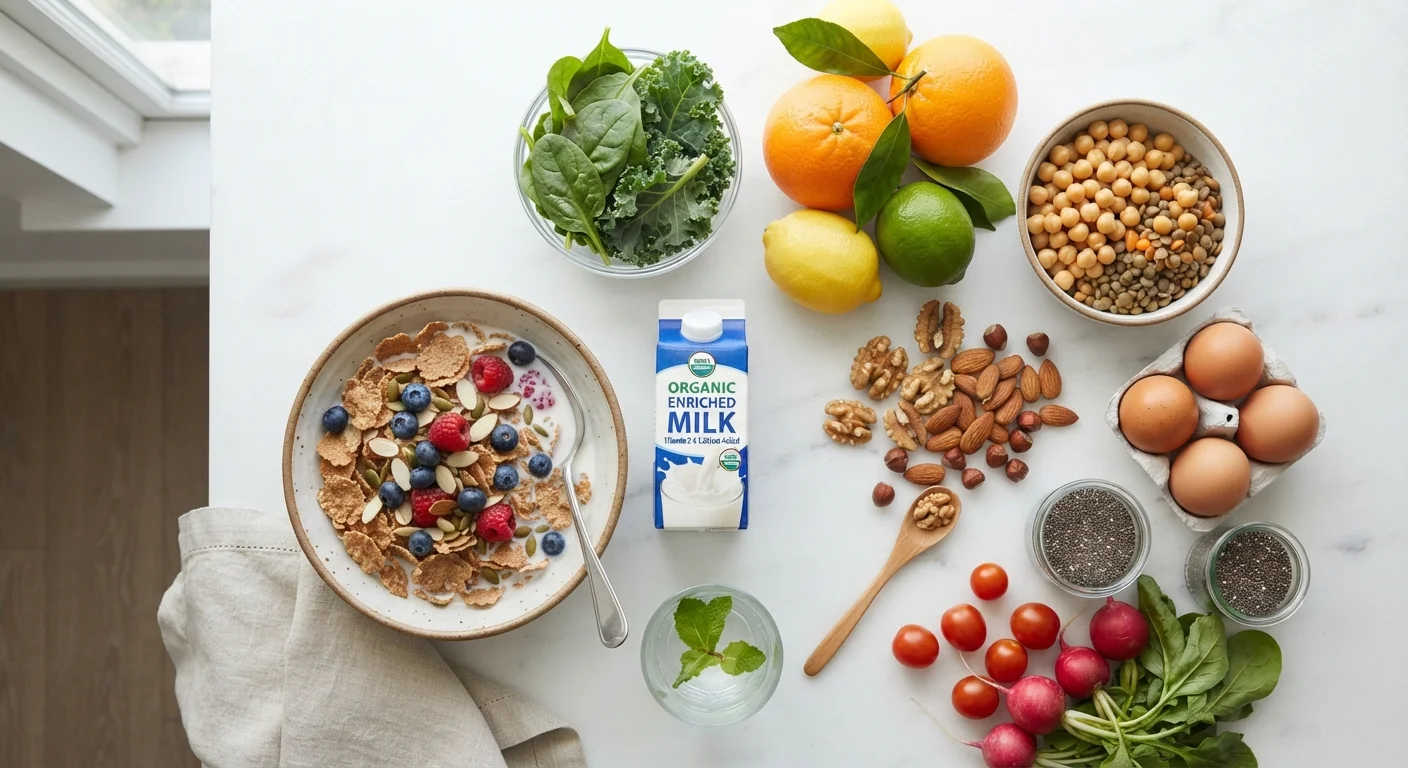
Dietary sources are limited but meaningful: fatty fish such as salmon and mackerel, egg yolks, and fortified foods like milk, orange juice, and breakfast cereals are among the best options. People with very limited sun exposure, older adults, and those with darker skin tones are at particular risk and may benefit from discussing their levels with a clinician.
Sun exposure alone is often insufficient — dietary sources of vitamin D matter more than many people realize.
Calcium
Calcium is critical for bone density, muscle function, and nerve signaling. While dairy products are the most familiar source, intake has declined as many Americans have moved away from milk and yogurt without replacing them with adequate alternatives. Adults over 50 face the highest risk of low intake, as calcium needs increase with age while absorption efficiency decreases.
Good food sources include dairy products, calcium-set tofu, canned fish with soft bones (like sardines and canned salmon), fortified plant-based milks, white beans, and cooked leafy greens such as bok choy and kale. Note that spinach, though nutritious, contains oxalates that reduce calcium absorption.
Calcium needs increase after age 50, yet intake often drops — a combination that affects long-term bone health.
Potassium
Potassium is essential for healthy blood pressure, fluid balance, and muscle contraction. It is one of the nutrients most consistently under-consumed across all adult age groups in the U.S., largely because the best sources — fruits, vegetables, beans, and whole grains — are eaten in insufficient quantities in typical American diets.
Bananas get most of the attention, but potassium is actually abundant in white potatoes, sweet potatoes, avocado, lentils, plain yogurt, and leafy greens. Increasing vegetable and legume intake is one of the most effective strategies for closing this gap.
Potassium is one of the most under-consumed nutrients across all adult age groups in the United States.
Magnesium
Magnesium participates in hundreds of enzymatic reactions in the body, including those involved in energy production, protein synthesis, and blood sugar regulation. Despite its widespread importance, surveys consistently show that a large share of American adults do not meet the Estimated Average Requirement.
Magnesium is concentrated in foods that tend to be under-represented in typical diets: pumpkin seeds, chia seeds, almonds, black beans, edamame, whole wheat bread, and dark leafy greens. Highly processed diets, which rely on refined grains stripped of their outer layers, contribute to this shortfall.
Magnesium powers hundreds of body processes, yet its best sources — seeds, beans, whole grains — are often eaten too infrequently.
Vitamin A
Vitamin A supports vision, immune function, and cell growth. The U.S. diet provides two forms: preformed vitamin A from animal foods (liver, dairy, eggs) and provitamin A carotenoids from plant foods, primarily beta-carotene. The conversion of beta-carotene to active vitamin A is less efficient than it was once assumed, which means many people consuming mostly plant-based sources may still come up short.
Rich sources include beef liver (in modest amounts), dairy products, eggs, orange and yellow vegetables like carrots and sweet potatoes, and dark leafy greens such as spinach and kale. Pairing plant-based sources with a small amount of fat improves carotenoid absorption.
Plant-based beta-carotene converts to vitamin A less efficiently than once thought, making food variety especially important.
Vitamin E
Vitamin E functions primarily as an antioxidant and plays a role in immune function and skin health. It is one of the four nutrients formally identified as under-consumed by the Dietary Guidelines for Americans. Low intake is largely tied to the limited consumption of nuts, seeds, and vegetable oils — foods that Americans often reduce when trying to cut fat from their diets.
Sunflower seeds, almonds, sunflower oil, wheat germ oil, peanuts, and spinach are among the best food sources. For a look at how trace minerals with similarly overlooked status fit into the picture, see our piece on zinc, selenium, and iodine.
Fat-phobic eating patterns are a key reason vitamin E intake falls short for many American adults.
Putting It All Together
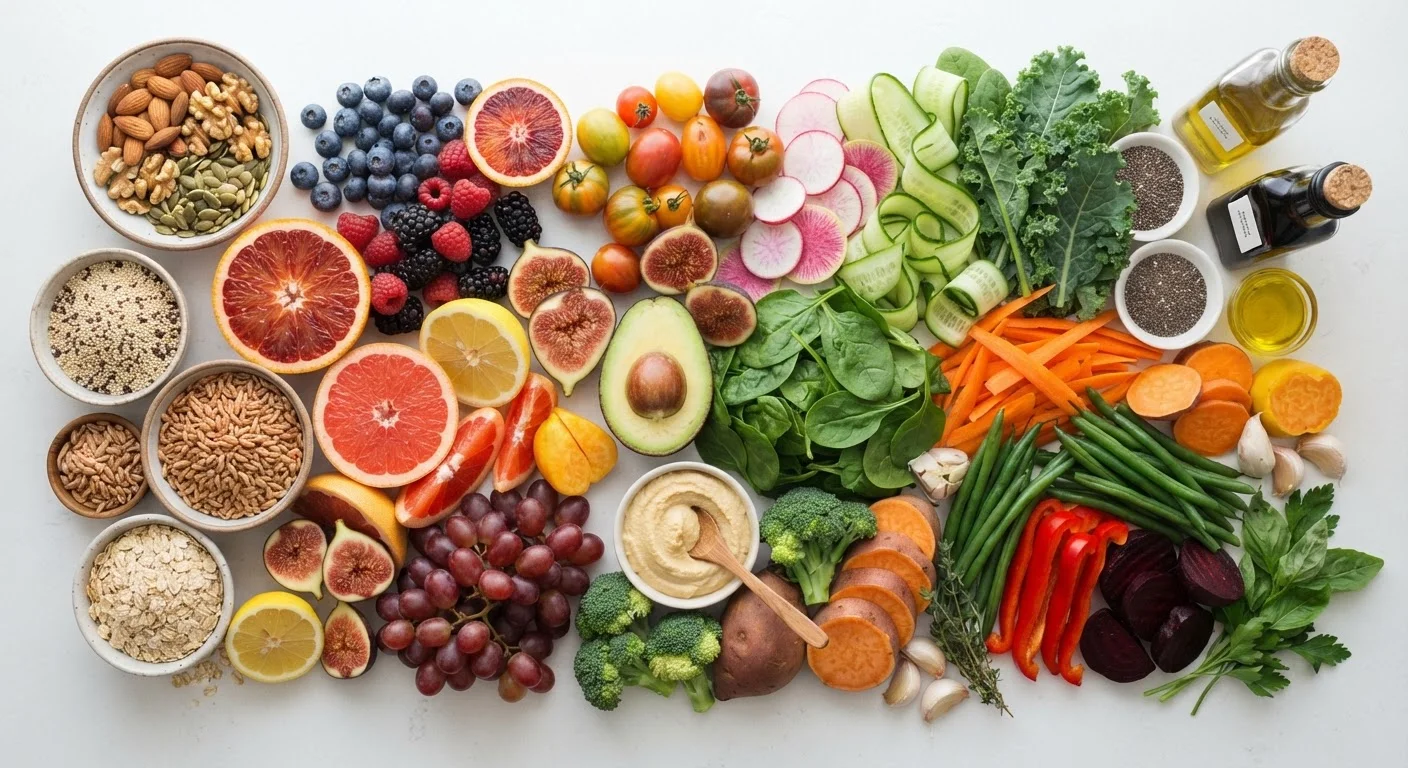
None of these micronutrient gaps require an overhaul of your entire diet. Small, consistent additions — a handful of pumpkin seeds, a can of sardines, a daily glass of fortified milk, an extra serving of leafy greens — add up significantly over time. If you want to understand how food-based sources compare to fortified products, our article on micronutrients from whole food vs. fortified products walks through the trade-offs in detail.
It is also worth paying attention to how your body feels. Reading your body's signals for signs of common vitamin deficiencies can prompt earlier conversations with a healthcare provider. Bloodwork is the most reliable way to confirm whether a specific shortfall exists — guessing and self-supplementing without guidance is not recommended.
A Simple Starting Point for Your Diet
Rather than overhauling everything at once, try adding one high-nutrient food from this list each week — a handful of pumpkin seeds, a serving of canned salmon, or a cup of cooked lentils. Small, sustained additions are far more effective than short-term cleanses or supplement routines. Variety across whole food groups naturally fills multiple gaps at once.
This article is for general informational and educational purposes only and is not a substitute for professional medical advice. If you have concerns about your nutrient intake or health, consult a qualified healthcare provider before making significant dietary changes or taking supplements.