
Why Vitamin D Isn't Quite Like Other Vitamins
Most vitamins are compounds the body cannot produce on its own — you have to eat them. Vitamin D breaks that rule. When ultraviolet B rays from sunlight hit your skin, they trigger a chemical reaction that converts a cholesterol compound into a vitamin D precursor. That precursor then travels to the liver and kidneys, where it is transformed into calcitriol, the active form that acts like a hormone throughout the body.
This hormonal behavior is important. Unlike a nutrient that simply assists an enzyme, calcitriol binds to receptors in cells across nearly every tissue — from the gut to the immune system to the brain. To understand how this fits into the broader picture of micronutrients, see our overview of vitamins and minerals.
Because vitamin D is fat-soluble, the body stores it in fat tissue and the liver — which means deficiency can develop slowly over months without obvious warning signs. It also means that too much from supplements can accumulate to problematic levels. For a deeper look at how fat-soluble vitamins behave differently than water-soluble ones, our guide to fat-soluble vitamins explains the key distinctions.
What Vitamin D Actually Does in the Body
Vitamin D's best-known job is supporting calcium absorption in the intestines. Without adequate vitamin D, the body can only absorb about 10–15% of the calcium it consumes. With it, absorption jumps to roughly 30–40%. This makes vitamin D essential to bone formation, and chronically low levels are linked to softer bones, increased fracture risk, and — in children — the bone-weakening disease rickets.
Beyond bones, research has linked vitamin D to immune system regulation, muscle function, and inflammatory responses. Some studies suggest associations between low vitamin D and increased susceptibility to respiratory infections, though causality in many of these areas is still being studied.
~40%
American adults with insufficient vitamin D
Analysis of NHANES data published in peer-reviewed literature estimates that roughly 40% of U.S. adults have serum vitamin D levels below the sufficiency threshold.
10–15%
Calcium absorbed without adequate vitamin D
According to the National Institutes of Health Office of Dietary Supplements, calcium absorption drops sharply when vitamin D is insufficient, compared to 30–40% with adequate levels.
The widespread nature of deficiency makes understanding vitamin D practically important for most American adults — not just those with known risk factors.
Where Vitamin D Comes From — and Why the Gap Is So Common
Sunlight is the dominant source for most people historically, but modern indoor lifestyles, sunscreen use, geographic latitude, and seasonal variation all limit how much UVB reaches your skin. In northern U.S. states during winter months, the sun's angle prevents meaningful UVB from reaching the surface at all.
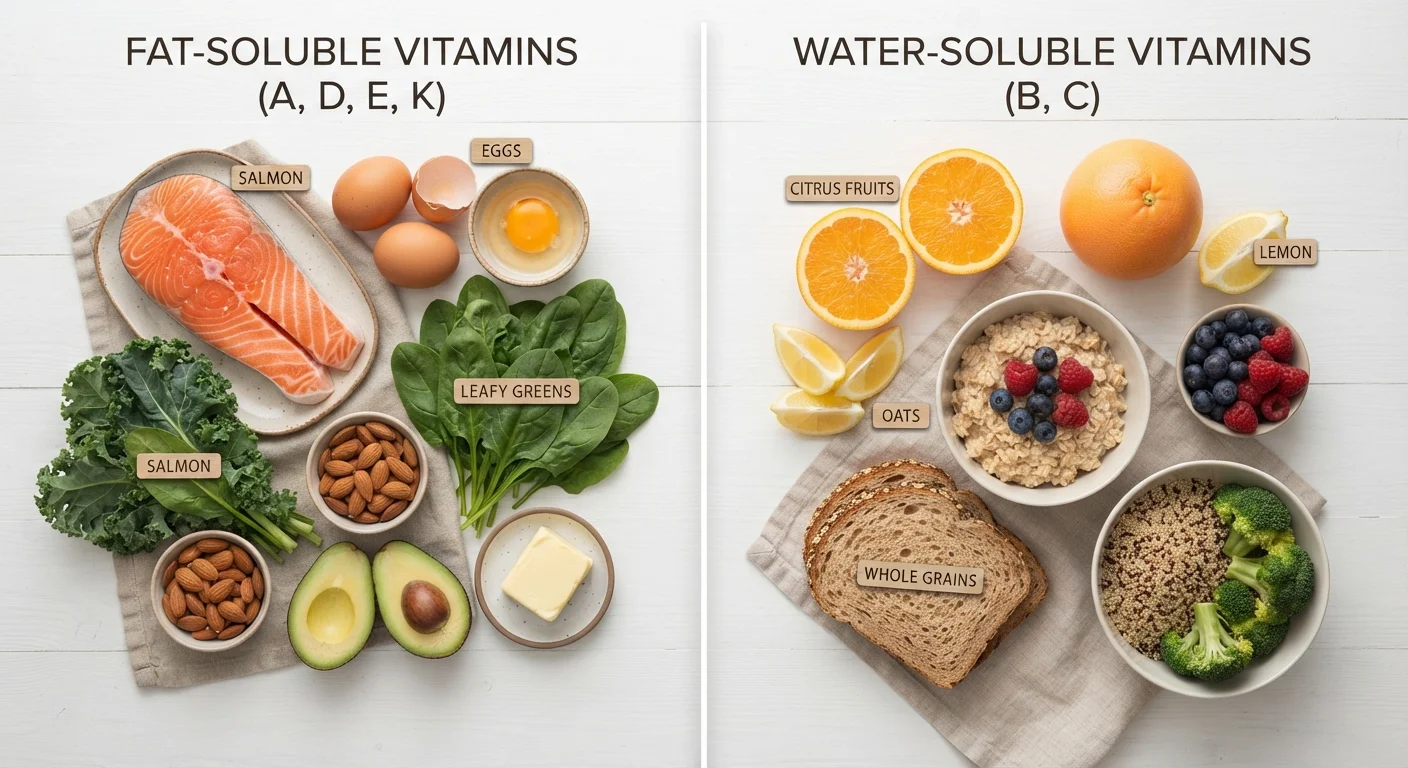
The short list of foods with naturally occurring vitamin D includes fatty fish (salmon, sardines, mackerel), egg yolks, and UV-exposed mushrooms. Fortified foods — primarily milk, some plant-based milks, orange juice, and breakfast cereals — provide supplemental amounts added by manufacturers, but they rarely close the gap entirely on their own.
This combination of limited sun exposure and sparse dietary sources explains why deficiency is so common even in well-fed populations. Older adults face an additional hurdle: aging skin is significantly less efficient at synthesizing vitamin D from sunlight, even with the same amount of exposure.
Making Sense of Your Vitamin D Status
The standard measure of vitamin D status is a blood test called serum 25-hydroxyvitamin D, reported in nanograms per milliliter (ng/mL). The National Institutes of Health and most clinical guidelines define deficiency as levels below 20 ng/mL and insufficiency as 20–29 ng/mL. Optimal ranges are debated among researchers, but most guidelines suggest 20–50 ng/mL for generally healthy adults.
If you are concerned about your levels, a simple blood test ordered by a healthcare provider is the only reliable way to know where you stand. Supplements are widely available, but dosage decisions should be made based on your actual test results, not guesswork — both under- and over-supplementing carry risks.
This article is for general informational and educational purposes only and is not a substitute for professional medical advice, diagnosis, or treatment. Always consult a qualified healthcare provider with questions about your health or before making changes to your diet or supplement routine.