Why Fat-Soluble Vitamins Play by Different Rules
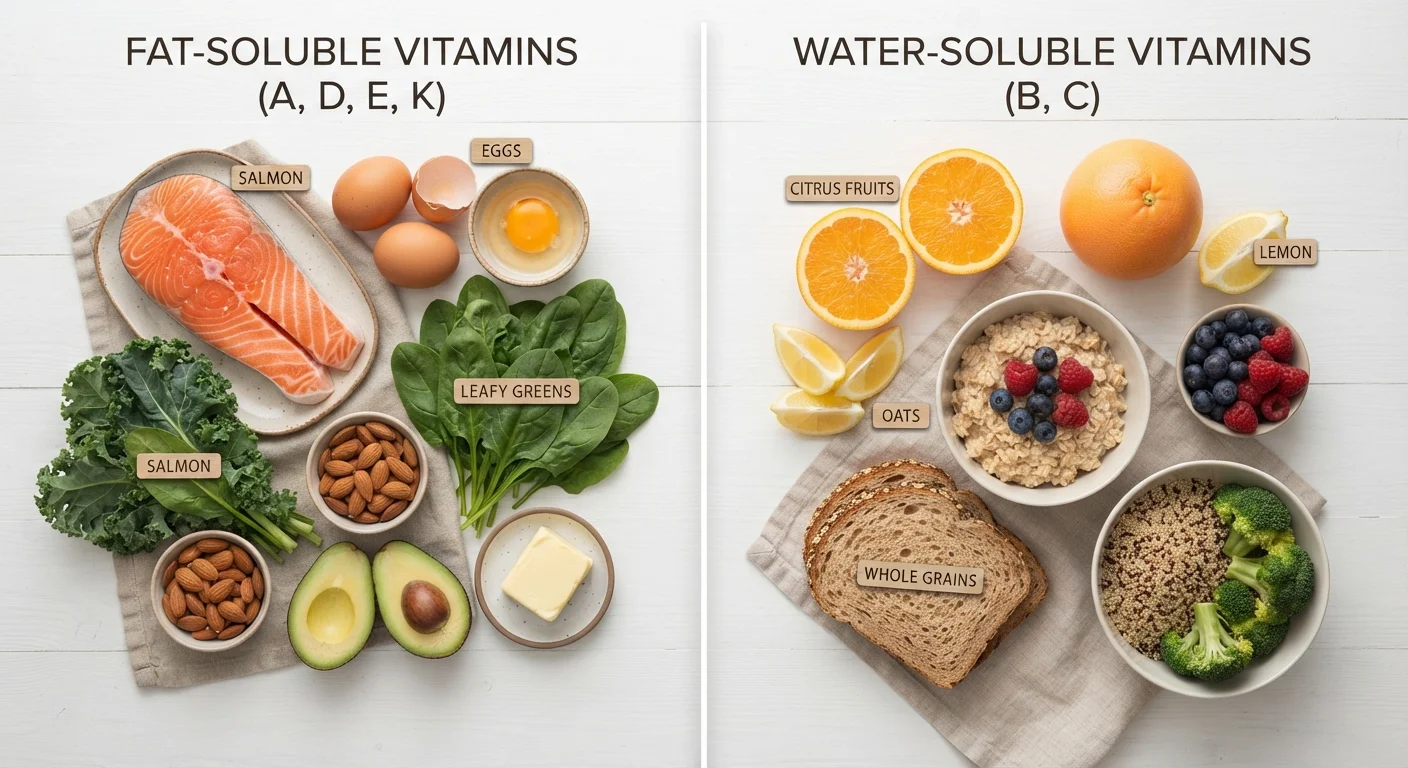
Vitamins fall into two broad categories based on how the body handles them. Water-soluble vitamins — like vitamin C and the B vitamins — are flushed out relatively quickly through urine when consumed in excess. Fat-soluble vitamins behave very differently. Vitamins A, D, E, and K dissolve in fat rather than water, which means the body stores them in fatty tissue and the liver rather than excreting the surplus. To understand this distinction more deeply, see our overview of fat-soluble versus water-soluble vitamins.
This storage capacity is actually an advantage in moderate amounts — you don't need to consume these vitamins every single day to maintain adequate levels. But that same property becomes a liability when intake consistently exceeds what the body needs. Over weeks or months, fat-soluble vitamins can build up to concentrations that interfere with normal body functions, a condition clinicians call hypervitaminosis. The risks are real, and they're most commonly triggered not by food alone, but by supplementation.
Common Mistakes That Lead to Excess Intake
Understanding where people go wrong is the first step toward avoiding unnecessary risk. The following errors are the most frequently seen when it comes to fat-soluble vitamin oversupplementation.
Taking high-dose individual vitamin D supplements without confirmed deficiency.
Why it happens: Vitamin D deficiency has received widespread media attention, leading many people to assume they are deficient and self-prescribe supplements at doses far above daily reference values.
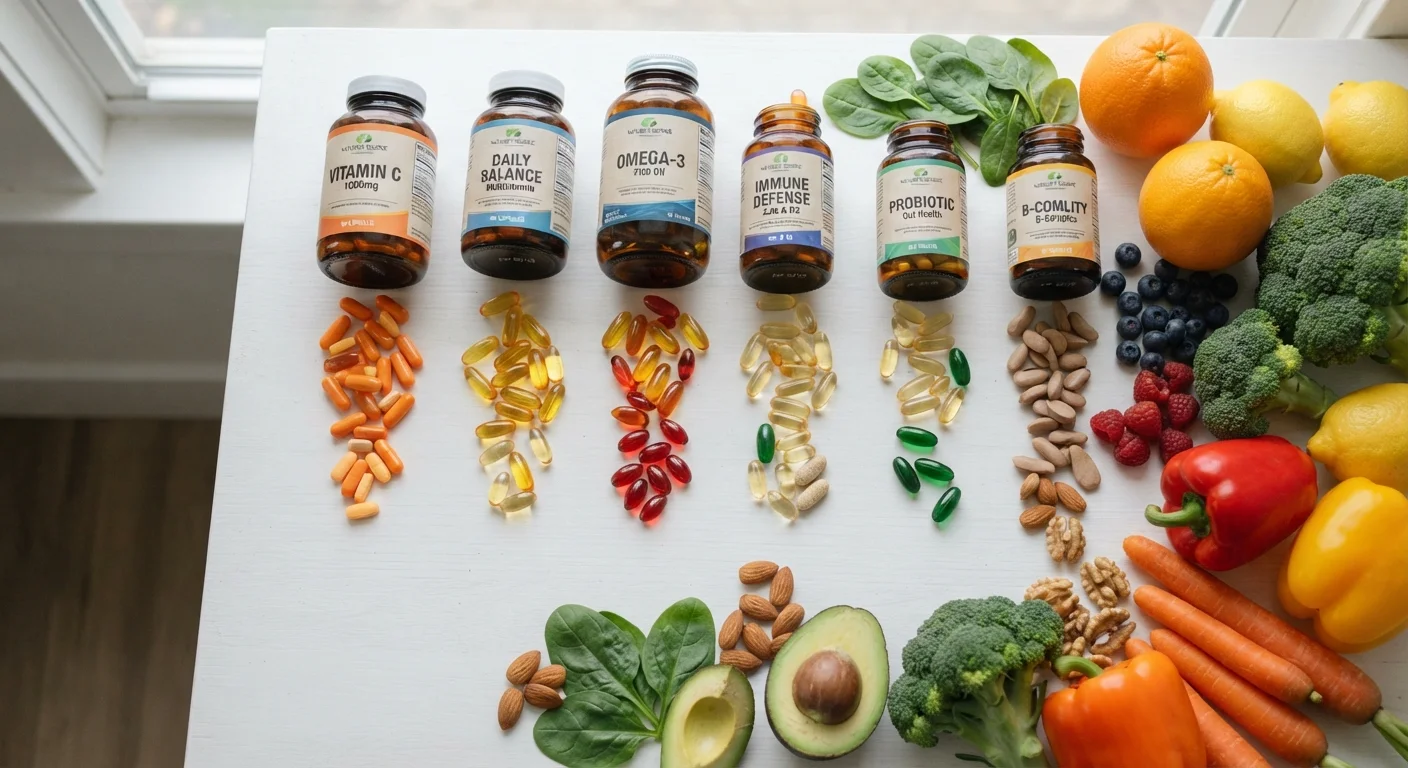
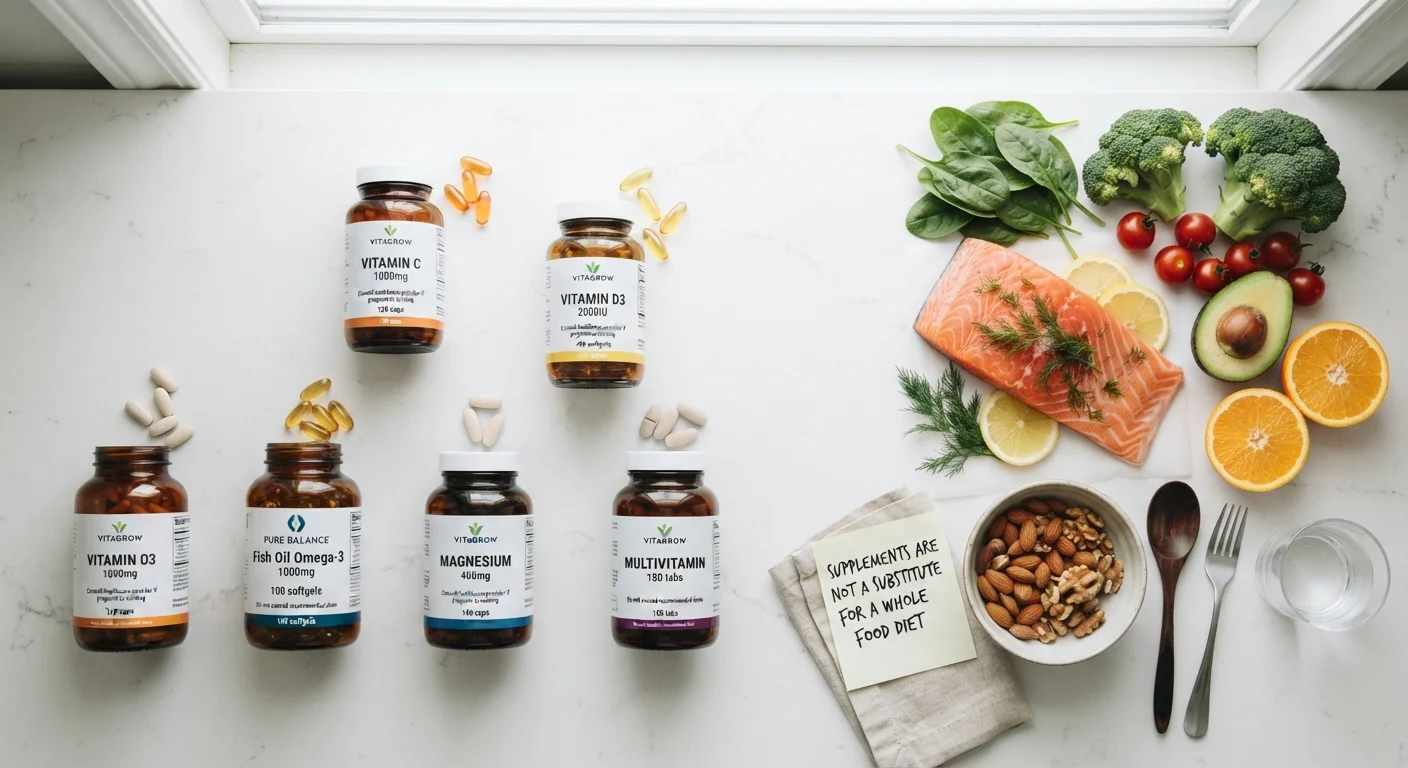
Stacking multiple supplements that each contain fat-soluble vitamins, unknowingly doubling or tripling intake.
Why it happens: People often take a multivitamin alongside targeted single-nutrient supplements without checking for overlapping ingredients, treating each product as independent rather than additive.
Consuming large amounts of vitamin A from both retinol supplements and fortified foods simultaneously.
Why it happens: Preformed vitamin A (retinol) is found in liver, many fortified cereals, and dairy products, as well as in most multivitamins — making it easy to consume well above recommended amounts without realizing it.
Assuming that "natural" or "food-based" supplements carry no toxicity risk for fat-soluble vitamins.
Why it happens: Marketing often frames supplements as inherently safe because they come from whole-food or natural sources, which can lower a consumer's guard around dose limits.
Giving children adult-dose fat-soluble vitamin supplements without pediatric guidance.
Why it happens: Parents concerned about nutritional gaps sometimes use adult supplements for children, not realizing that safe upper intake levels for children are significantly lower than those for adults.
This article is for general informational and educational purposes only and is not a substitute for professional medical advice. Consult a qualified healthcare provider before starting or changing any supplement regimen.
How to Supplement Smarter
~35%
U.S. adults using vitamin D supplements
According to National Health and Nutrition Examination Survey (NHANES) data, roughly one in three American adults reports taking a vitamin D supplement, making it among the most widely used dietary supplements in the country.
4,000 IU
Tolerable Upper Intake Level for vitamin D (adults)
The National Academies of Sciences, Engineering, and Medicine set the adult Tolerable Upper Intake Level for vitamin D at 4,000 IU per day; many retail supplements are sold at or above this threshold.
3,000 mcg RAE
Upper Intake Level for preformed vitamin A (adults)
The established Tolerable Upper Intake Level for preformed vitamin A in adults is 3,000 micrograms of retinol activity equivalents (RAE) per day, a threshold that high-dose supplements and liver-rich diets can approach or exceed.
The foundation of fat-soluble vitamin safety is knowing your actual intake across all sources — food, fortified products, and every supplement you take. Multivitamins, prenatal vitamins, individual vitamin capsules, and protein powders can all contribute to your daily total, often more than people realize. Adding up the numbers before assuming more is needed is a straightforward precaution that most people skip.
Rather than self-diagnosing a deficiency based on symptoms or online quizzes, ask a healthcare provider for a blood test. Measurable deficiencies in vitamins D and A, for example, can be identified through standard lab work, and supplementation can then be tailored to a specific, documented need. This approach avoids guesswork and reduces risk. For a broader look at what supplement marketing does and doesn't tell you, see our piece on popular vitamin supplement claims.
People with liver disease, kidney conditions, or who are pregnant face elevated risks from excess fat-soluble vitamins and should seek personalized guidance from a medical professional rather than relying on general recommendations.