How Each Vaccine Type Is Made
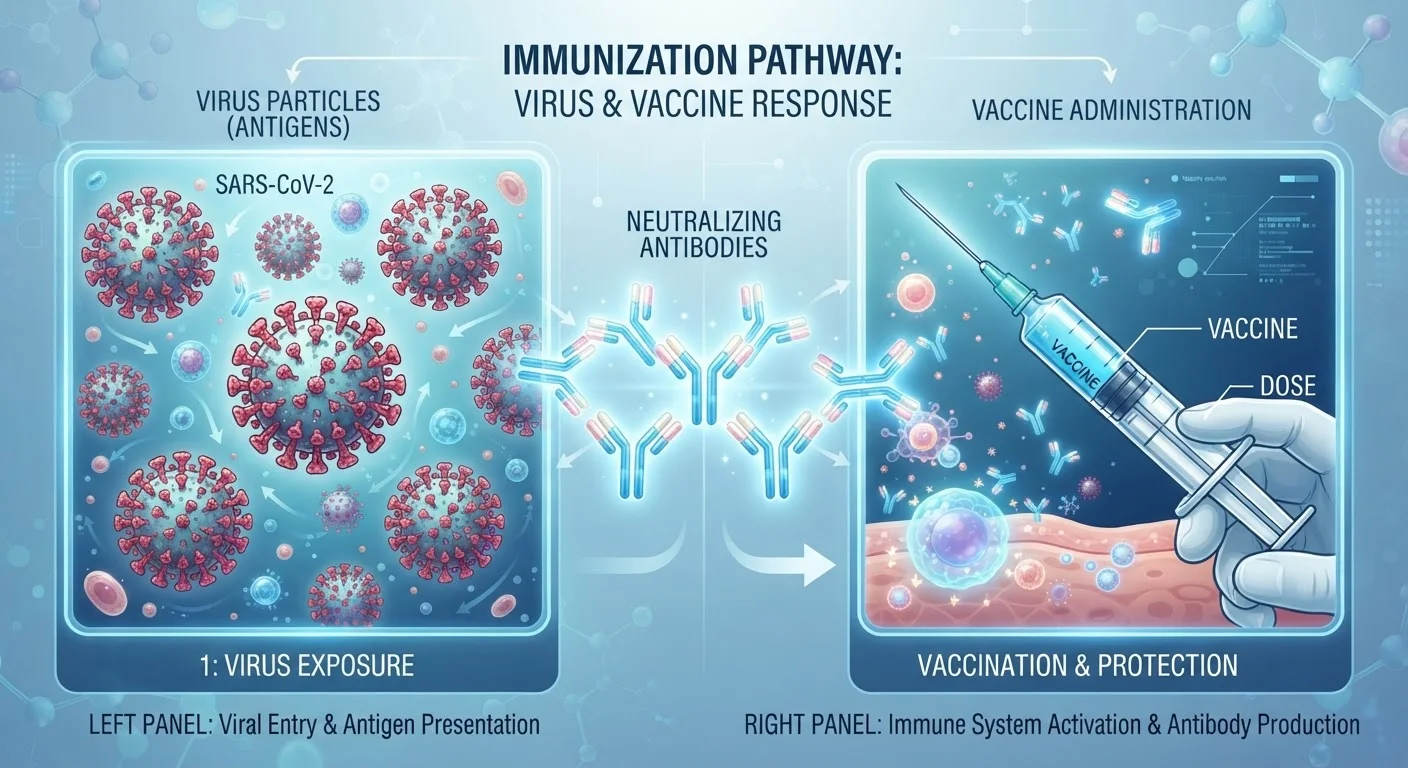
Vaccines protect by training your immune system to recognize a pathogen without exposing you to a full-strength infection. The key difference between vaccine types lies in what is introduced into your body and in what form.
Live-attenuated vaccines contain a version of the virus or bacterium that has been weakened in a laboratory — enough that it cannot cause disease in a healthy person, but still active enough to trigger a strong immune response. Examples include the measles-mumps-rubella (MMR) vaccine, the varicella (chickenpox) vaccine, and the yellow fever vaccine.
Inactivated vaccines use a pathogen that has been killed — typically through heat or chemicals — so it cannot replicate at all. Your immune system still recognizes the pathogen's proteins and builds a defense. Examples include the inactivated influenza vaccine (the flu shot), the inactivated polio vaccine (IPV), and hepatitis A vaccines.
For a broader look at how vaccines interact with the immune system, see our complete starter guide for adults.
| Criterion | Live-Attenuated | Inactivated |
|---|---|---|
| Pathogen Status | Weakened but living | Killed / non-replicating |
| Immune Response Strength | Generally stronger, broader | Moderate; may need boosters |
| Doses Typically Needed | Often 1–2 doses lifelong | Multiple doses; periodic boosters |
| Safe for Immunocompromised? | Generally not recommended | Generally yes (consult provider) |
| Safe During Pregnancy? | Typically not recommended | Many are recommended (e.g., flu, Tdap) |
| Storage Stability | Requires careful cold chain | Generally more heat-stable |
| Examples | MMR, Varicella, Yellow Fever | Flu shot, IPV, Hepatitis A |
Immune Response and Durability
Because live-attenuated vaccines mimic a natural infection more closely, they typically trigger a strong and comprehensive immune response — activating both antibody production and cellular immunity (T-cells). This often means protection lasts longer, sometimes for life, with only one or two doses required.
Inactivated vaccines tend to produce a somewhat weaker initial response, which is why booster doses are frequently needed. The flu shot, for example, is recommended annually — both because the influenza virus changes rapidly and because immunity from the inactivated vaccine wanes over time. However, ongoing research continues to refine formulations to improve durability.
It's worth noting that both types are highly effective within their intended populations when used correctly. The difference in response magnitude doesn't make one type categorically superior — it makes them appropriate for different situations. To understand how vaccine-induced immunity compares to immunity gained from actual infection, see our article on natural immunity vs. vaccine-induced immunity.
97%
MMR vaccine effectiveness against measles
According to the CDC, two doses of the live-attenuated MMR vaccine are about 97% effective at preventing measles.
~40–60%
Typical seasonal flu shot effectiveness
The CDC notes that inactivated flu vaccine effectiveness varies year to year based on how well the vaccine matches circulating strains.
1–2
Lifetime doses for many live vaccines
Live-attenuated vaccines like MMR and varicella often confer lasting protection with just one or two doses, per standard U.S. immunization schedules.
Who Should Pay Close Attention to Vaccine Type
For most healthy adults and children, either vaccine type is safe when recommended by clinical guidelines. However, certain populations need to be more deliberate:
- Immunocompromised individuals: People receiving chemotherapy, taking immunosuppressant medications, or living with conditions like HIV may not be able to safely receive live-attenuated vaccines. Even the weakened pathogen could potentially cause illness in a significantly suppressed immune system. Inactivated vaccines are generally the safer option, though their effectiveness may also be reduced in this group.
- Pregnant individuals: Live-attenuated vaccines are generally not recommended during pregnancy due to a theoretical risk to the fetus, though individual recommendations vary by vaccine. Inactivated vaccines like the flu shot and Tdap are actively recommended during pregnancy by the CDC.
- Older adults: Age-related changes in immune function (called immunosenescence) can affect how well either vaccine type works, which is why some vaccines designed for older adults use adjuvants — substances that boost immune response.
If you or someone in your care has a compromised immune system, our article on vaccines for immunocompromised individuals goes deeper into these considerations.
Schedules Can Reflect Vaccine Type
The U.S. childhood immunization schedule and adult vaccine recommendations from the CDC's Advisory Committee on Immunization Practices (ACIP) are designed with vaccine type in mind. For instance, live vaccines are spaced appropriately from other live vaccines to ensure each produces a full immune response. Your healthcare provider can help you navigate any scheduling considerations.
This article is for general informational and educational purposes only and is not a substitute for professional medical advice, diagnosis, or treatment. Always consult a qualified healthcare provider about which vaccines are appropriate for your personal health circumstances.