
What to Expect: Normal Vaccine Reactions
After receiving a vaccine, most people experience at least one mild side effect. The most common reactions reported across a wide range of vaccines include:
- Injection site effects: soreness, redness, swelling, or warmth at the site of the shot
- Systemic effects: fatigue, headache, mild fever (below 101°F or 38.3°C), chills, or muscle aches
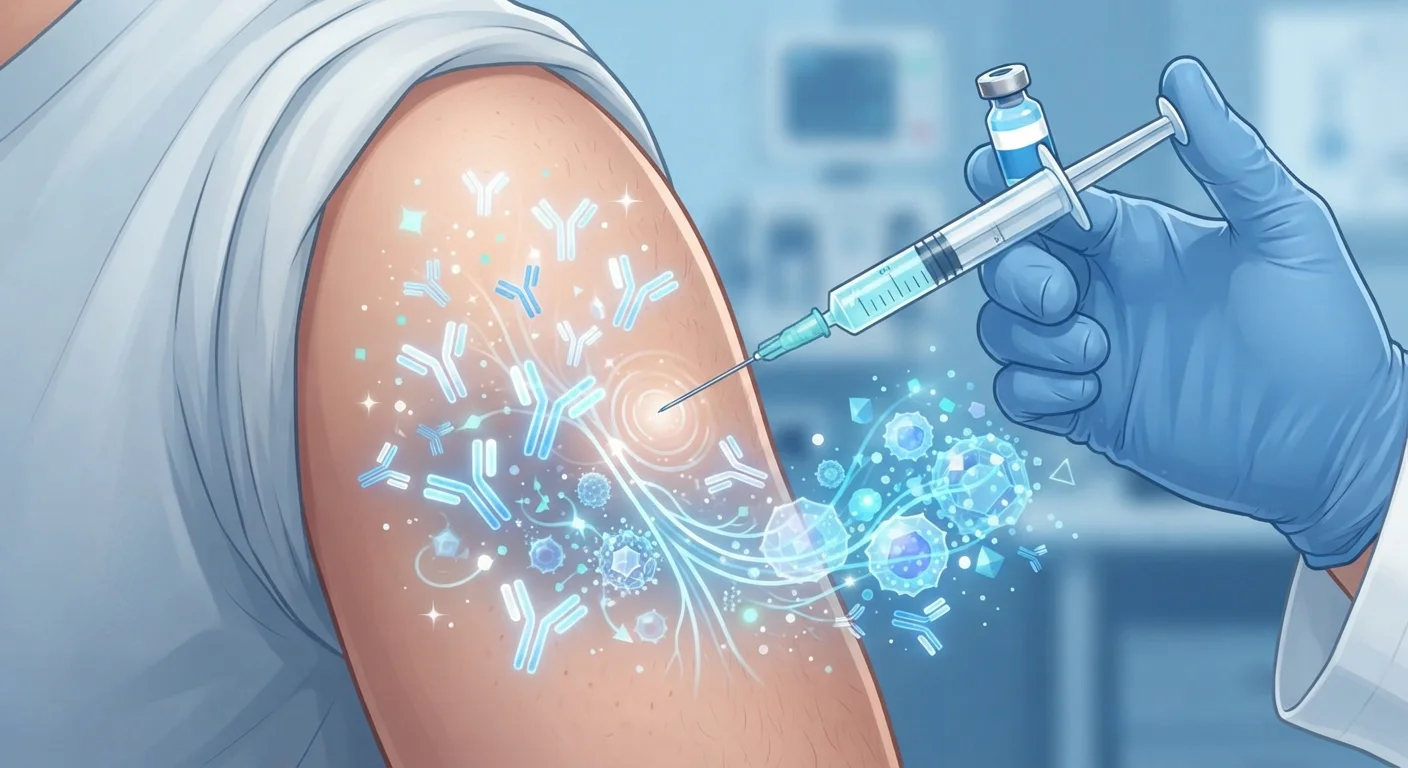
These symptoms typically appear within 12 to 24 hours of vaccination and resolve on their own within one to three days. They reflect immune activation — your body recognizing the vaccine antigen and beginning to build a protective response. Over-the-counter pain relievers may help ease discomfort; however, consult your healthcare provider before using them, especially if you have underlying health conditions or if they are for a child.
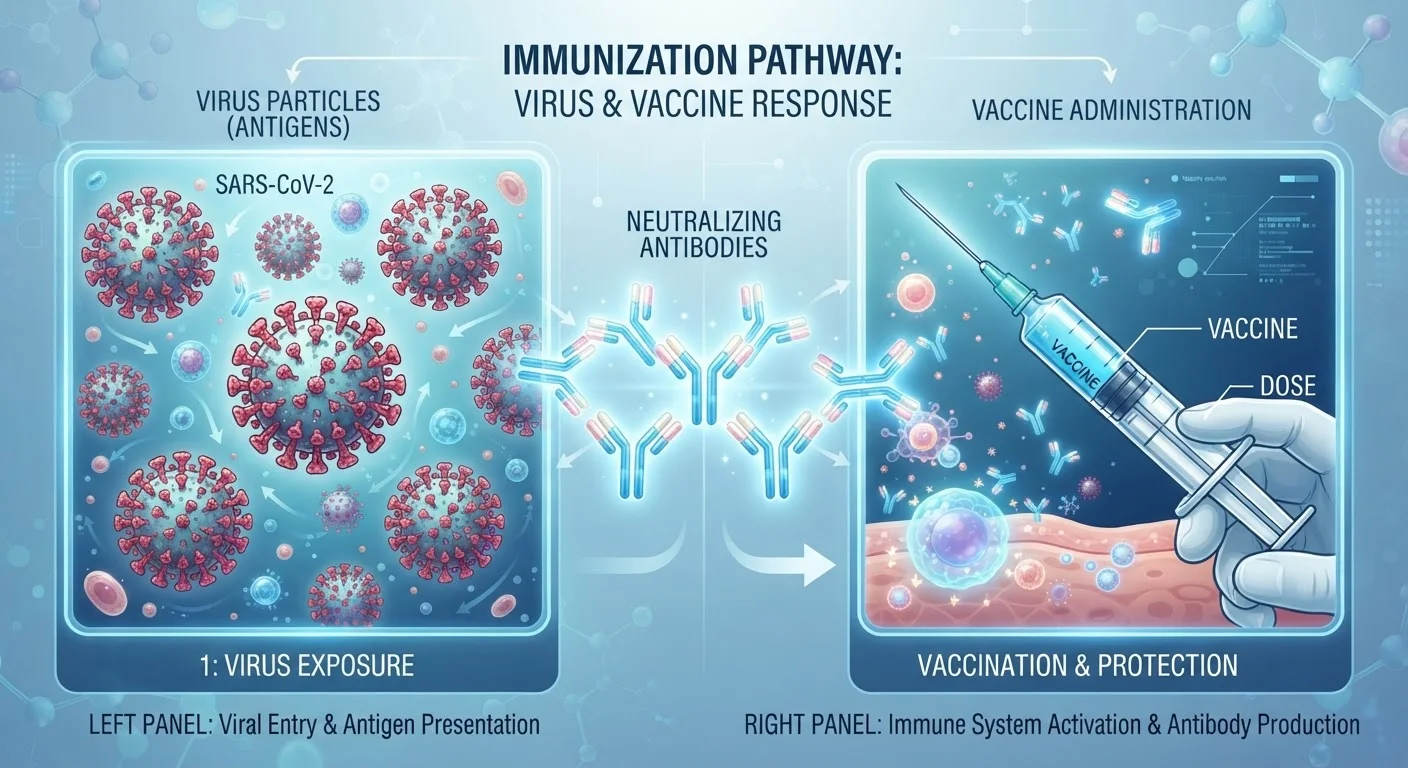
For a deeper look at the biology behind these reactions, our guide to how your immune system responds to a vaccine walks through each step from injection to lasting protection.
Myth
If I feel sick after a vaccine, it means the vaccine gave me the disease.
Fact
Vaccines cannot give you the infection they protect against. Post-vaccination symptoms are your immune system's normal response to training.
Inactivated vaccines contain killed pathogens or just protein fragments — neither can cause infection. Live-attenuated vaccines use weakened versions of viruses that are unable to cause disease in healthy individuals. The fatigue, soreness, or low-grade fever you experience reflects your immune system mounting a response — producing antibodies and memory cells — exactly as intended. To understand the full biological sequence, see our explanation of how your immune system responds to a vaccine.
Myth
A strong reaction means the vaccine is more effective; no reaction means it didn't work.
Fact
Symptom severity after vaccination does not reliably predict the strength or durability of the immune response produced.
Research consistently shows that individuals who experience minimal or no side effects can develop robust, protective immunity. Immune response depends on many factors — age, prior exposure, immune status — none of which are accurately reflected by how sore your arm gets. Conversely, a strong reaction simply indicates your immune system is active, not that it is performing better than someone who felt nothing. Do not judge vaccine effectiveness by how bad you feel afterward.
Myth
Vaccines cause long-term health problems that doctors don't tell you about.
Fact
The safety monitoring systems for vaccines in the United States are among the most rigorous for any medical intervention.
The CDC and FDA operate multiple overlapping surveillance systems — including VAERS (Vaccine Adverse Event Reporting System), the Vaccine Safety Datalink, and the Post-Licensure Rapid Immunization Safety Monitoring system — specifically designed to detect even rare or delayed adverse events. While no medical intervention carries zero risk, the serious long-term harms sometimes circulated online have not been substantiated by large-scale, peer-reviewed evidence. Confirmed rare risks (such as myocarditis associated with certain mRNA vaccines in young males) are acknowledged, monitored, and weighed openly against benefits by public health agencies.
Myth
If I've had COVID-19 or another infection naturally, I don't need the vaccine because natural immunity is stronger.
Fact
Natural infection can produce immunity, but vaccine-induced immunity is often more consistent, measurable, and safer to obtain.
The comparison between natural and vaccine-induced immunity is nuanced and varies by pathogen. For some diseases, natural infection produces durable protection; for others, immunity wanes quickly or varies widely between individuals. Vaccination offers a controlled, predictable immune stimulus without exposing you to the risks of active illness. For a detailed look at how these two pathways compare, see our article on natural immunity versus vaccine-induced immunity.
Myth
A red or swollen arm after a vaccine is a sign of infection or an allergic reaction.
Fact
Localized redness, warmth, and swelling at the injection site are expected inflammatory responses and typically resolve within a few days.
When a vaccine is injected, the body responds locally with inflammation — increased blood flow, immune cell recruitment, and minor tissue irritation. This is a normal part of the immune activation process. True infection at an injection site is extremely rare given the sterile technique used by trained providers. A genuine allergic reaction (anaphylaxis) looks very different: it develops rapidly — usually within 15 to 30 minutes — and involves hives, throat tightening, difficulty breathing, or a sudden drop in blood pressure. This is why vaccine recipients are observed for at least 15 minutes after injection.
Warning Signs That Require Medical Attention
While serious adverse reactions are rare, they are real — and recognizing them early is critical. Seek emergency care immediately if you or someone you are with experiences any of the following within hours of vaccination:
- Difficulty breathing or swallowing
- Swelling of the face, lips, tongue, or throat
- Rapid heartbeat or dizziness
- Widespread hives or rash beyond the injection site
- Loss of consciousness or severe weakness
These are potential signs of anaphylaxis — a severe allergic reaction that can be life-threatening but is treatable when caught quickly. Anaphylaxis following vaccination occurs in approximately 1 to 2 cases per million doses administered, according to CDC data.
Anaphylaxis: Act Immediately
If signs of a severe allergic reaction appear — including throat tightening, difficulty breathing, hives, or sudden dizziness — call 911 immediately. Do not wait to see if symptoms improve on their own. This is a medical emergency. Always inform vaccine providers of any known allergies or past reactions before receiving any immunization.
Additionally, contact your healthcare provider — though not an emergency — for symptoms that worsen after 72 hours, fever above 103°F (39.4°C), extreme arm redness that continues to spread, or any reaction that feels unusual or concerns you. New or worsening chest pain, shortness of breath, or feelings of a racing heart — particularly in the days following mRNA COVID-19 vaccination in adolescents and young adult males — should also be evaluated promptly, as these may indicate myocarditis, a rare but recognized condition.
If you are new to navigating which vaccines adults need and how to discuss concerns with your provider, our complete starter guide for adults is a helpful starting point.
This article is for general health information only and is not a substitute for professional medical advice, diagnosis, or treatment. Always consult a qualified healthcare provider with questions about your health or specific vaccine concerns.