Two Different Problems, One Overlapping Symptom
Feeling exhausted during the day, struggling to concentrate, and reaching for extra caffeine — these symptoms are common to both insomnia and sleep deprivation. That surface similarity is exactly why the two are so frequently confused, and why getting the distinction right actually matters for how you respond.
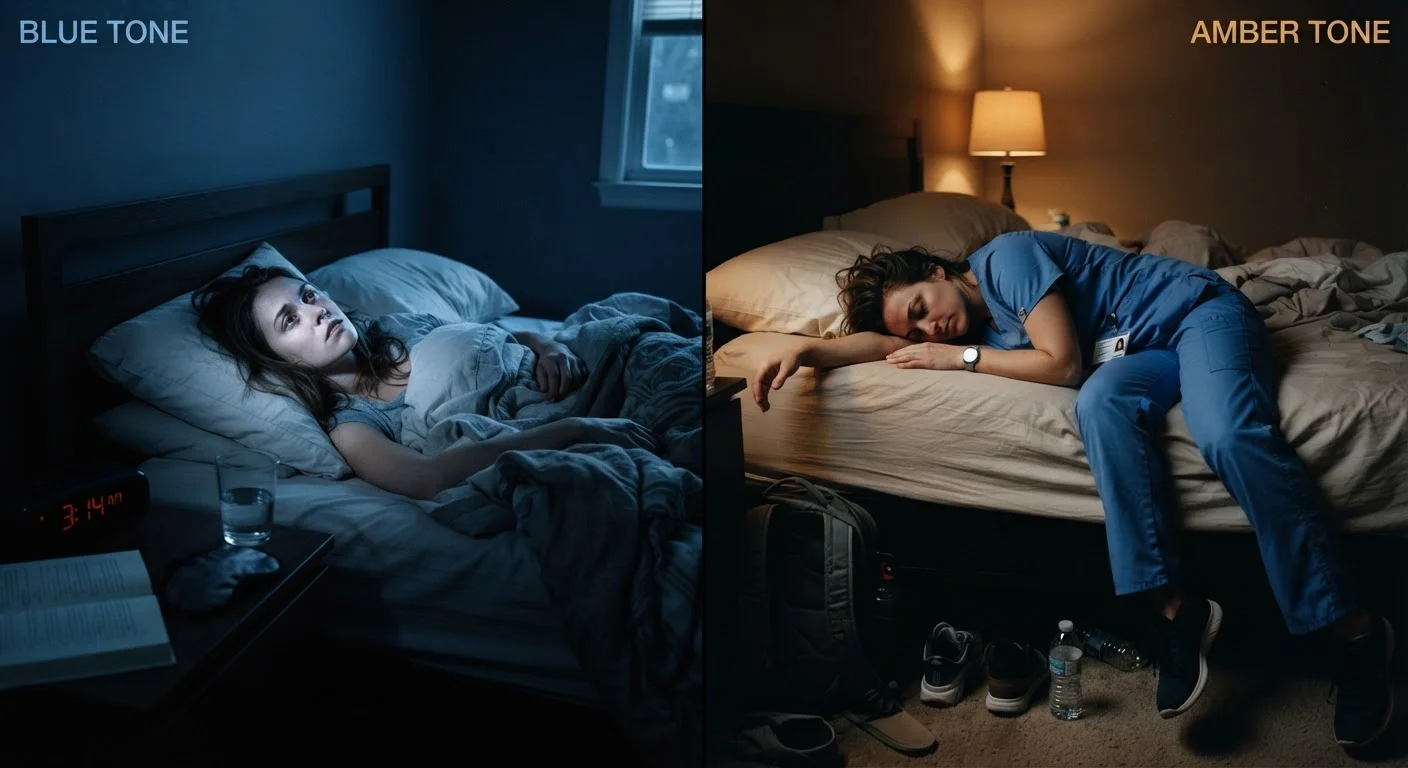
Sleep deprivation occurs when a person simply doesn't get enough sleep — usually because of external factors like demanding schedules, shift work, caregiving responsibilities, or habitual late nights. The body could sleep; it just isn't being given the time.
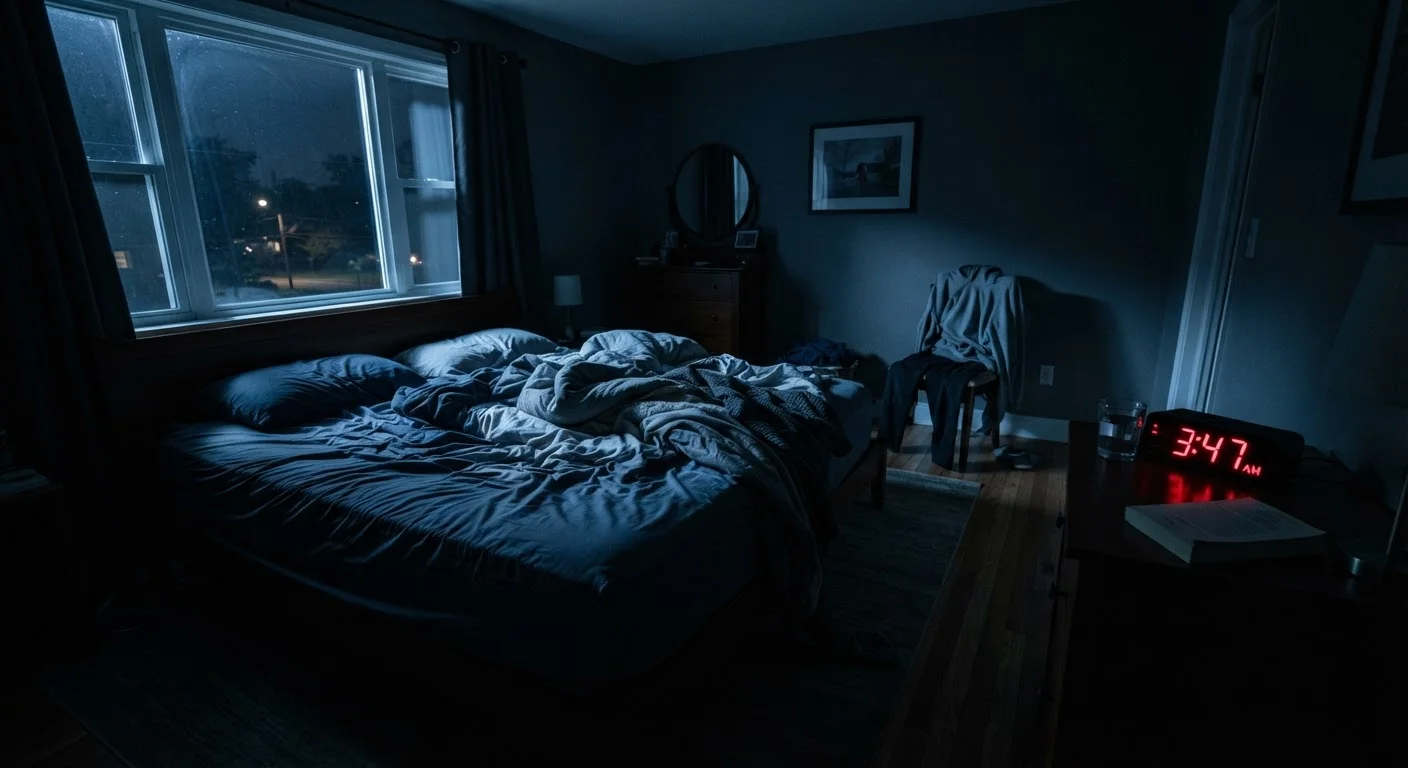
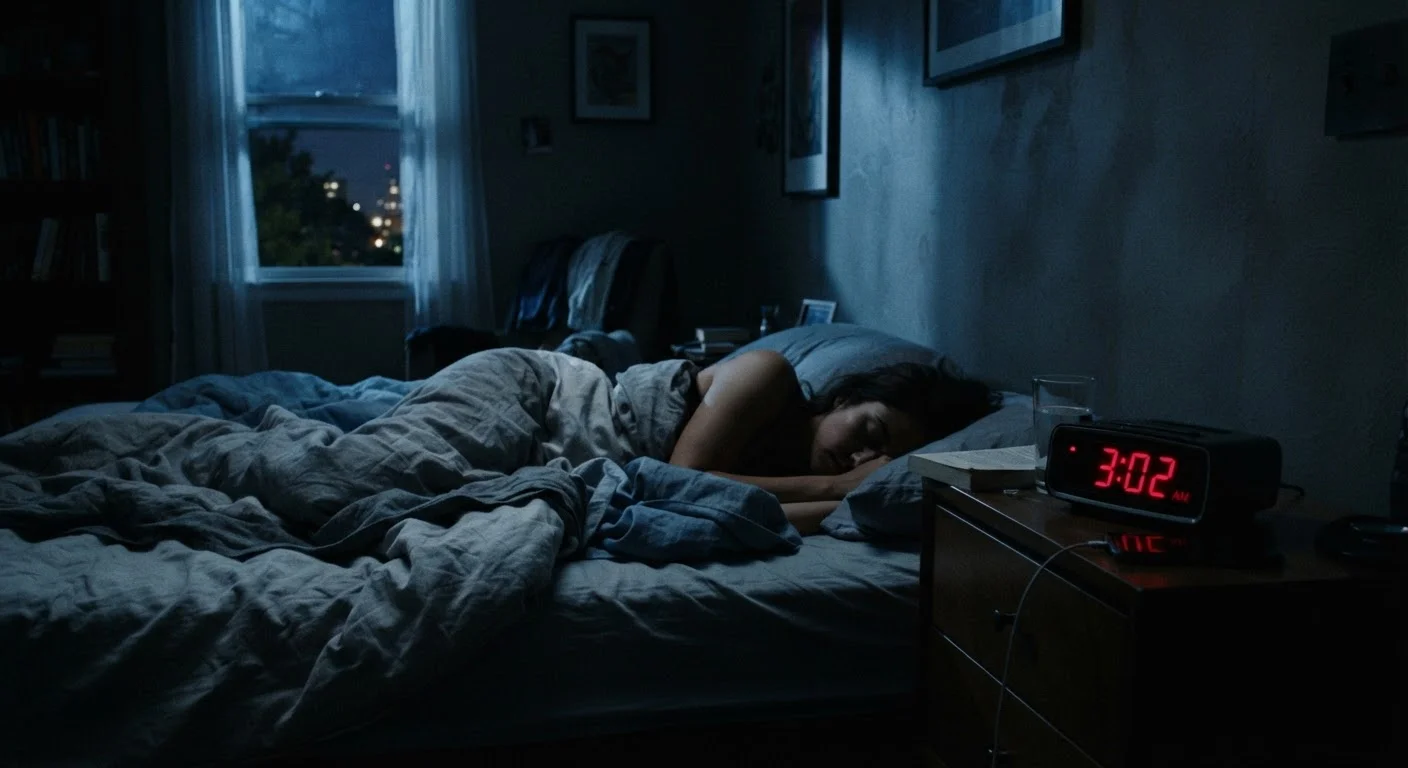
Insomnia, by contrast, is defined by difficulty falling asleep, staying asleep, or waking too early — even when adequate time and opportunity for sleep are available. It's a disorder of sleep ability, not sleep quantity alone. To meet the clinical definition, these difficulties occur at least three nights per week and cause meaningful daytime impairment.
Think of it this way: a person working two jobs who sleeps five hours a night has sleep deprivation. A person with eight hours blocked for sleep who lies awake for two of them has insomnia. The exhaustion may feel identical, but the cause — and the appropriate response — are not.
How Each Condition Plays Out Differently
One of the most telling differences between the two conditions involves how the body responds to recovery sleep. People with sleep deprivation typically experience a strong rebound — give them a full night's rest or a weekend to sleep in, and symptoms often resolve noticeably. The sleep debt can, to a meaningful degree, be paid down. For more on the limits of this approach, see common habits that make sleep disorders worse.
People with insomnia often don't get that relief. Even after a full night in bed, they may wake unrefreshed, because the problem isn't time — it's the underlying difficulty the brain has initiating or maintaining consolidated sleep. Insomnia is also frequently linked to hyperarousal: a state where the nervous system remains too activated at bedtime to allow sleep onset, regardless of how tired the person feels.
| Criterion | Insomnia | Sleep Deprivation |
|---|---|---|
| Core problem | Inability to sleep when opportunity exists | Insufficient time allocated to sleep |
| Primary cause | Hyperarousal, behavioral or psychological factors | Schedule, lifestyle, or external demands |
| Response to more sleep time | Often minimal improvement | Symptoms typically resolve |
| Daytime sleepiness | Present but often can't nap | Strong urge to sleep; napping easy |
| First-line approach | CBT-I; clinical evaluation recommended | Increase total sleep opportunity |
| Frequency pattern | At least 3 nights per week | Ongoing or cumulative over time |
Sleep deprivation also tends to produce a clear, mounting sense of sleepiness — people feel the urge to doze during the day and can often fall asleep quickly when given the chance. In insomnia, the irony is that many sufferers report being unable to nap even when desperately tired, precisely because the arousal pattern persists across the day.
Why Getting the Label Right Changes Your Approach
Treating sleep deprivation is, in principle, straightforward: increase total sleep time by adjusting schedules, reducing obligations that cut into sleep, and improving sleep hygiene practices. Most people see improvement within days to weeks of consistently getting adequate rest.
Insomnia requires a different strategy. The most evidence-supported treatment is Cognitive Behavioral Therapy for Insomnia (CBT-I) — a structured, non-medication approach that addresses the thoughts, behaviors, and habits that perpetuate sleeplessness. CBT-I may include techniques such as sleep restriction therapy, stimulus control, and cognitive restructuring. It has a strong research base and is generally recommended as a first-line treatment before sleep medications are considered.
Both Conditions Can Coexist
It's possible to have insomnia and be sleep deprived at the same time — for example, someone with insomnia who also works long hours. In these cases, the picture is more complex and a clinician's evaluation is especially helpful. Addressing only one dimension while ignoring the other may produce limited results.
Applying sleep deprivation solutions to insomnia — like simply spending more time in bed — can sometimes backfire, reinforcing the association between the bed and wakefulness. Understanding how sleep deprivation affects the body can also clarify why addressing either condition promptly is worthwhile.
This article is for general informational purposes only and does not constitute medical advice. If you are experiencing persistent sleep difficulties, please consult a qualified healthcare professional for an evaluation and personalized guidance.