What Sleep Hygiene Actually Means
The phrase "sleep hygiene" is widely used but often misunderstood. Many people assume it refers only to a relaxing bedtime ritual — chamomile tea, a warm bath, putting down the phone. Those habits matter, but they represent just one slice of a much broader concept.
Sleep hygiene encompasses the full range of practices that affect sleep quality and duration. That includes what happens in the hour before bed, but also what happens at 2 p.m. — how much light you've seen, whether you napped, what you drank. The discipline of sleep hygiene recognizes that sleep is not just a nighttime event; it is shaped by the entire day preceding it.
Clinicians began using the term in the late 20th century as research into behavioral sleep medicine expanded. Today, organizations including the CDC and the American Academy of Sleep Medicine reference sleep hygiene as a foundational component of public sleep health. For a deeper look at how all these dimensions connect, see The Full Picture on Sleep.
The Core Behaviors That Define Good Sleep Hygiene
Research consistently identifies several behavioral categories as central to sleep hygiene:
- Consistent sleep timing: Going to bed and waking at the same time every day — including weekends — reinforces your circadian rhythm, the internal clock that regulates alertness and sleepiness.
- Light management: Morning light exposure promotes wakefulness and helps anchor your sleep schedule. Evening exposure to blue-wavelength light from screens suppresses melatonin production and delays sleep onset.
- Caffeine and alcohol use: Caffeine has a half-life of roughly five to six hours, meaning an afternoon coffee can still affect sleep at bedtime. Alcohol disrupts sleep architecture even when it initially induces drowsiness.
- Physical activity: Regular exercise is associated with improved sleep quality, though exercising very close to bedtime may elevate arousal in some individuals.
- Pre-sleep wind-down: A consistent transition period — reading, light stretching, or quiet activity — signals the nervous system that sleep is approaching.
For detailed guidance on evidence-based habits, sleep hygiene evidence-based habits breaks down the research behind each practice.
Start With One Consistent Change
If overhauling your entire routine feels daunting, begin with sleep timing. Setting a fixed wake time — and keeping it even on weekends — is one of the most impactful single changes supported by sleep research. Other habits often fall into place once your schedule is anchored.
The Role of Your Sleep Environment
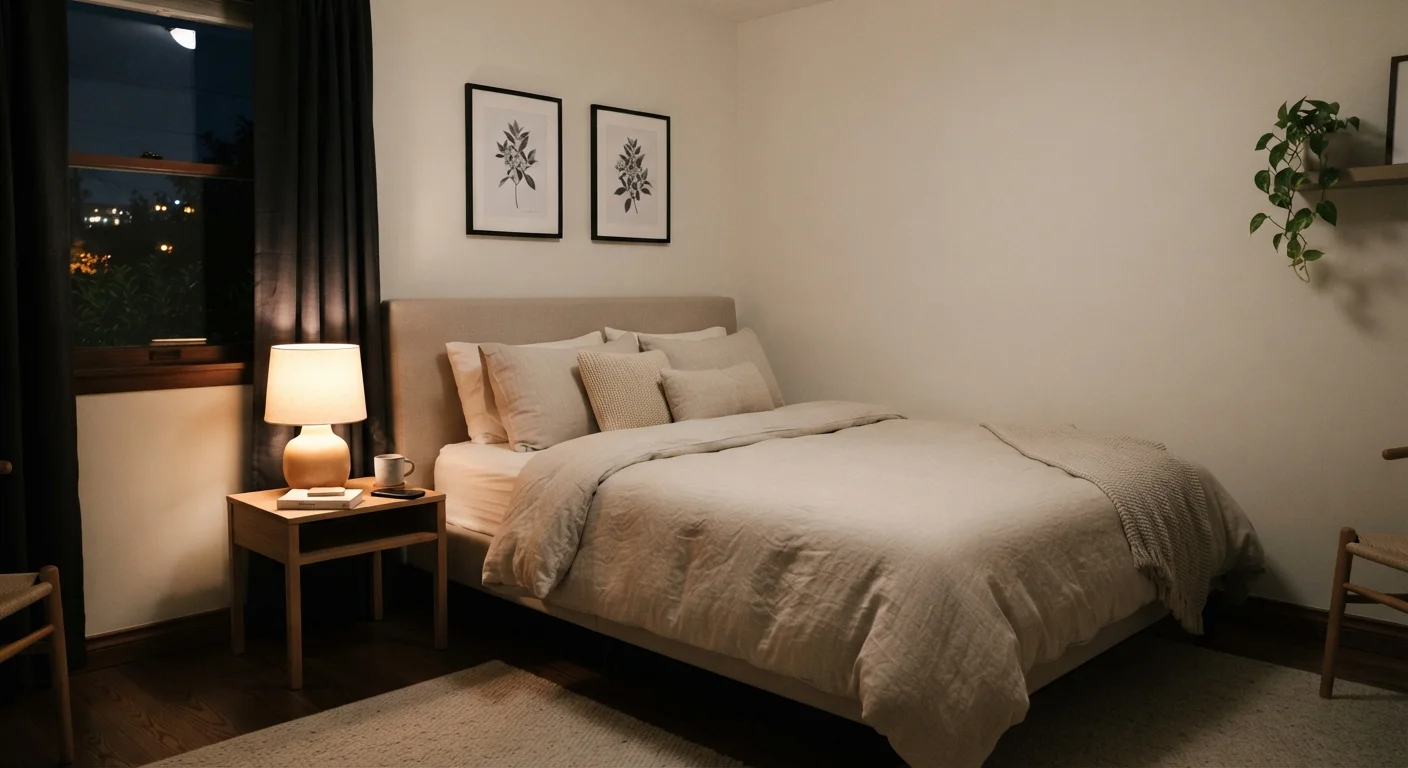
Your physical surroundings are inseparable from sleep hygiene. Temperature, light, and noise each play a distinct physiological role in sleep quality — they are not simply comfort preferences.
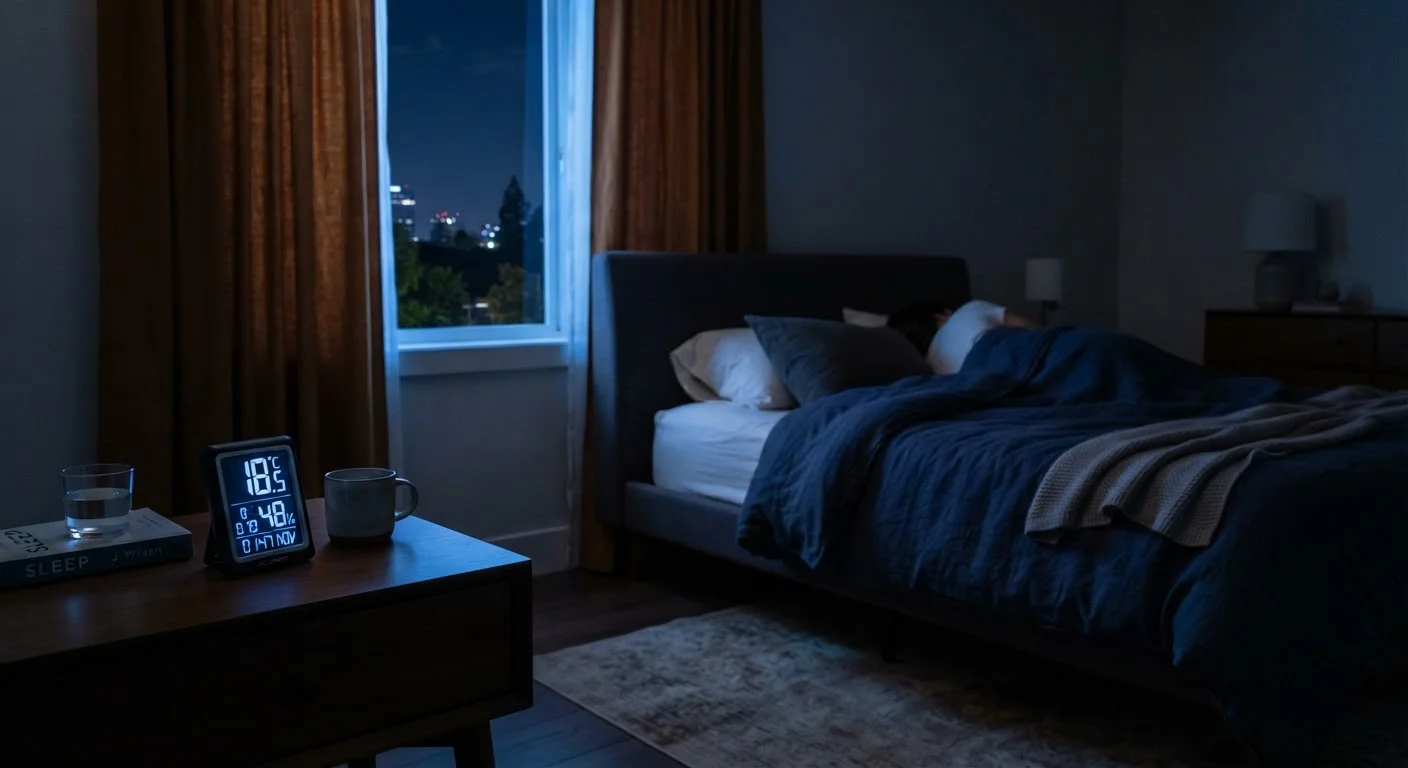
Core body temperature naturally drops during sleep onset. A cooler bedroom (generally in the mid-60s °F range) supports this process. Blackout conditions promote melatonin secretion, while even dim ambient light can fragment sleep. Background noise — particularly variable or unpredictable sounds — increases arousals during the night.
These environmental factors interact directly with sleep biology. See how temperature, light, and noise shape sleep biology for a deeper scientific explanation. Practical setup guidance is also available in The Sleep Environment and Your Bedroom Environment and Sleep Quality.
1 in 3
U.S. adults not getting enough sleep
According to CDC surveillance data, roughly one-third of American adults report regularly sleeping fewer than the recommended seven hours per night.
7–9 hrs
Recommended nightly sleep for adults
The American Academy of Sleep Medicine and Sleep Research Society recommend seven to nine hours of sleep per night for adults to support optimal health.
~5–6 hrs
Caffeine half-life in healthy adults
Pharmacological research shows caffeine's half-life averages five to six hours, meaning a 3 p.m. coffee still contributes significant stimulant effects at bedtime.
When Sleep Hygiene Has Limits
Sleep hygiene is a powerful preventive tool, but it is not a cure-all. If you are practicing consistent hygiene and still struggling to sleep, an underlying condition may be present. Insomnia and sleep deprivation are distinct problems with different causes and responses — knowing the difference matters for getting the right help.
Conditions like obstructive sleep apnea, restless legs syndrome, or circadian rhythm disorders require clinical evaluation and targeted treatment. Sleep hygiene improvements can support but not replace that care. If a provider suspects an underlying disorder, a formal evaluation may be recommended — what a sleep study actually involves explains what that process looks like.
This article is for general informational purposes only and does not constitute medical advice. If you have concerns about your sleep health, consult a qualified healthcare provider.