Why Good Intentions Can Make Sleep Disorders Worse
Most people who struggle with sleep are not ignoring the problem — they are actively trying to manage it. The difficulty is that many of the instinctive responses to poor sleep run directly counter to what sleep science recommends. Habits that seem reasonable, or that offer short-term relief, can quietly reinforce the very patterns driving the disorder.
This is especially true for people dealing with conditions like insomnia, sleep apnea, or restless legs syndrome — disorders that are often misunderstood and underrecognized. When the underlying condition isn't identified, well-meaning coping strategies fill the gap, sometimes making things significantly worse over time.
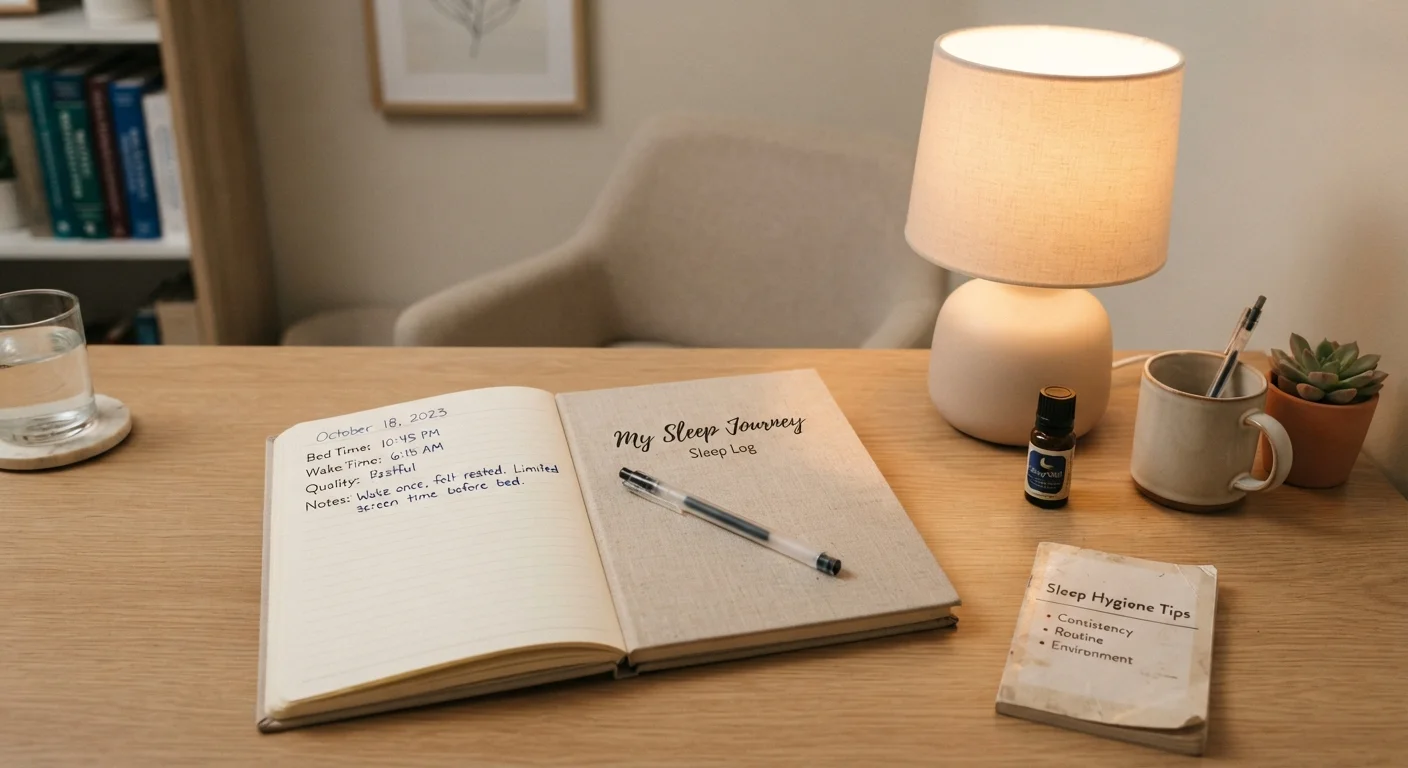
Understanding which habits backfire — and why — is an important first step toward more effective self-awareness and, when appropriate, professional care. For those newer to thinking about sleep health, sleep hygiene from the ground up offers a useful broader foundation.
Avoid Self-Diagnosing a Sleep Disorder
Sleep disorder symptoms — fatigue, difficulty falling asleep, frequent waking — overlap significantly across different conditions. What feels like insomnia may involve sleep apnea, restless legs syndrome, or a mental health factor. Applying the wrong self-managed strategy for the wrong condition can delay appropriate care and worsen outcomes. A qualified clinician is best positioned to identify what is actually happening.
Common Mistakes That Compound Sleep Problems
The following patterns come up repeatedly among people managing sleep difficulties. Each one is understandable in context — and each one tends to make the underlying problem harder to resolve.
Believing you can 'catch up on sleep' by sleeping longer on weekends.
Why it happens: When weekday sleep feels impossible to protect, banking extra sleep on weekends feels like a rational solution. It offers temporary relief from fatigue, which reinforces the behavior.
Using alcohol to wind down and fall asleep faster.
Why it happens: Alcohol produces initial sedation that can feel similar to natural sleepiness, making it seem like an effective sleep aid. This short-term effect makes the habit easy to rationalize.
Taking long daytime naps to compensate for poor nighttime sleep.
Why it happens: Exhaustion during the day makes napping feel necessary and restorative. Because it provides immediate relief, it is hard to recognize that it may be undermining nighttime sleep.
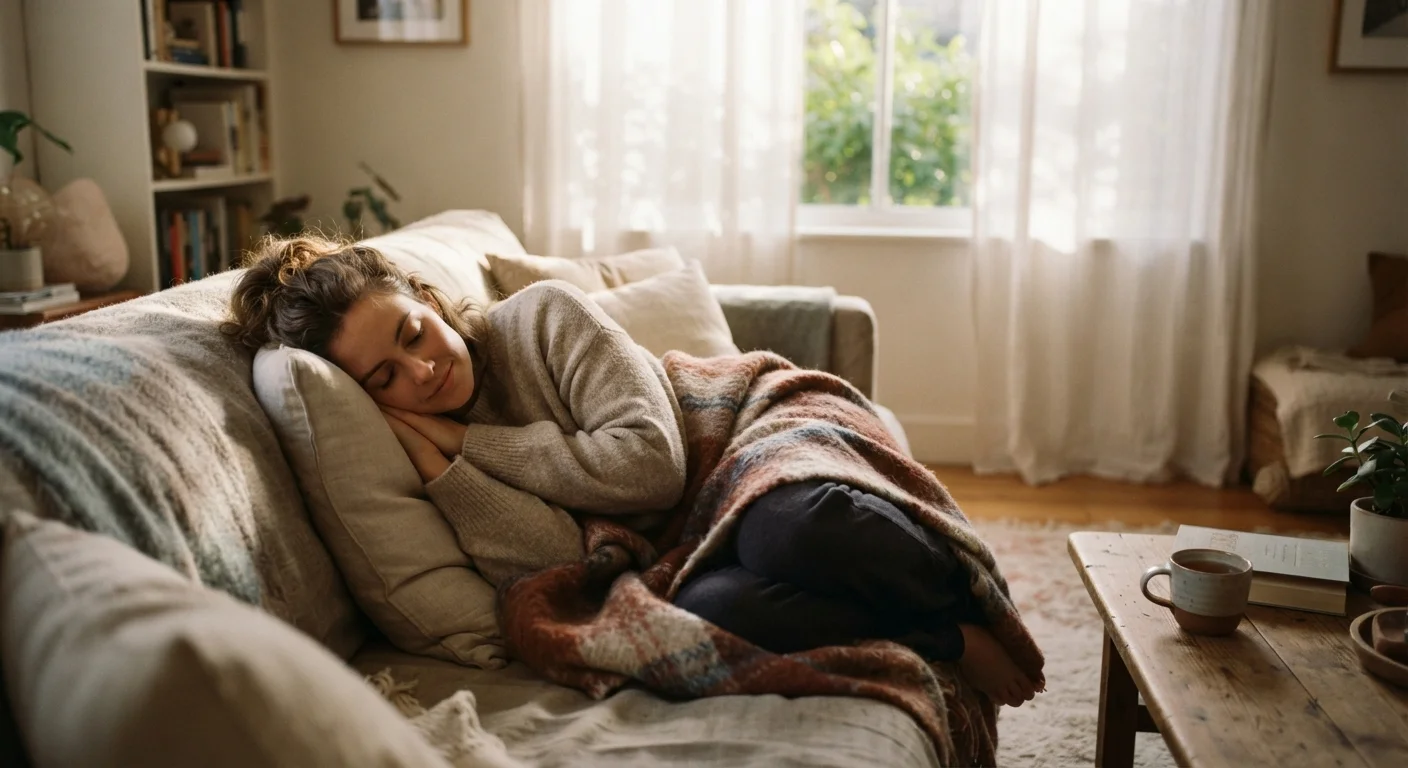
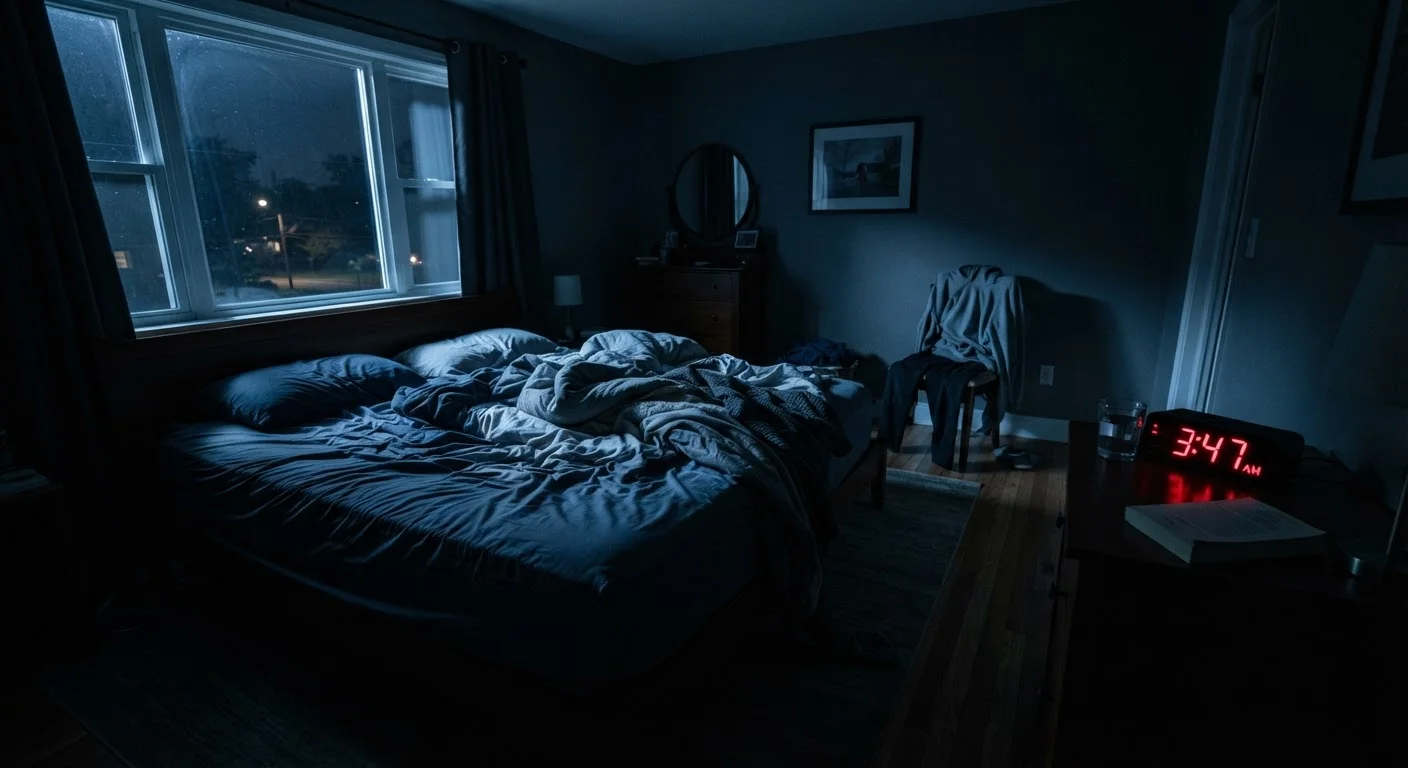
Staying in bed awake for long periods, hoping sleep will eventually come.
Why it happens: Leaving bed feels counterintuitive when the goal is sleep. Remaining horizontal feels like at least resting, even if sleep isn't happening.
Ignoring symptoms for months before seeking a clinical evaluation.
Why it happens: Sleep problems are often dismissed as stress-related or temporary. Many people assume they will resolve on their own, or feel uncertain about what warrants a doctor visit.
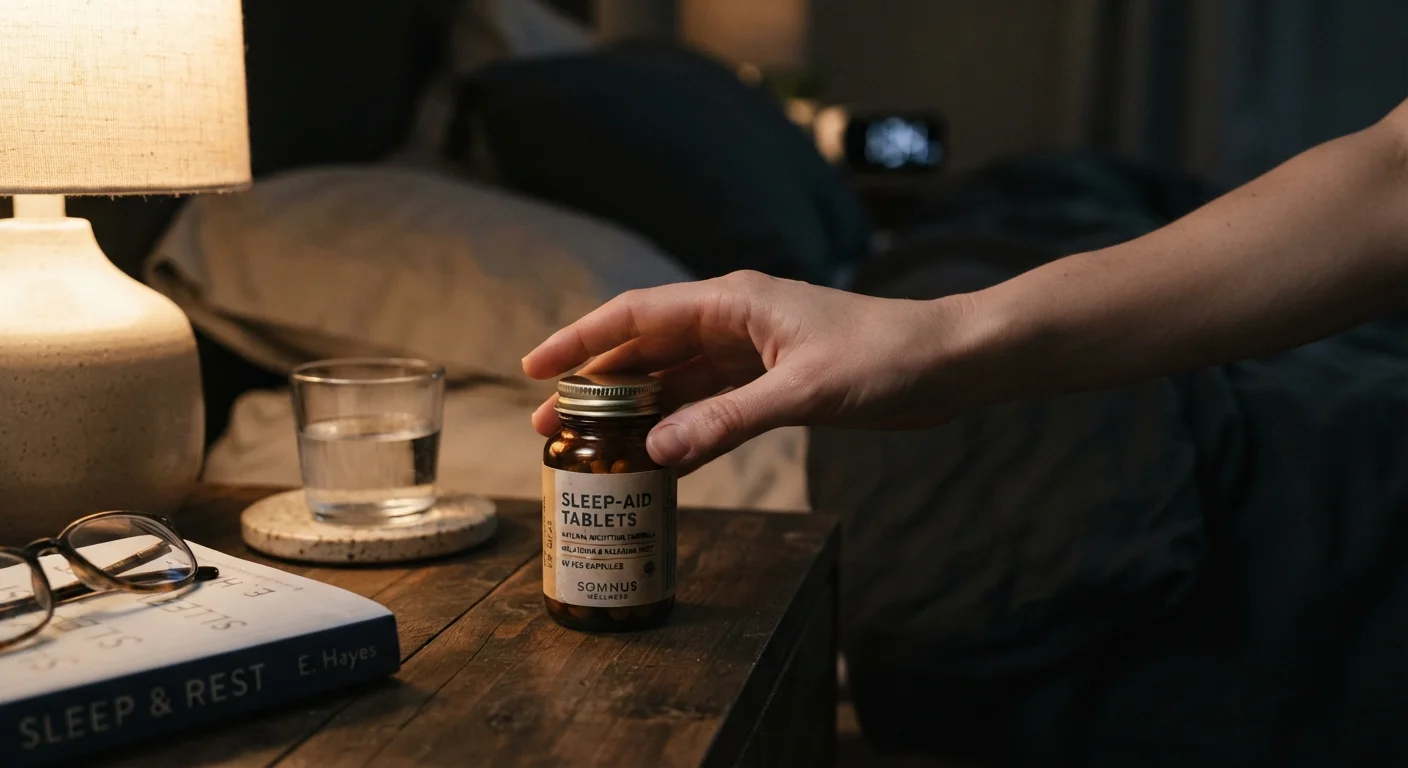
Relying on over-the-counter sleep aids as a long-term solution.
Why it happens: OTC sleep aids are accessible, feel low-risk because they don't require a prescription, and provide some short-term sedative effect that seems to validate their use.
The relationship between sleep and mental health is another often-overlooked factor. Poor sleep and conditions like anxiety or depression reinforce each other in ways that can be difficult to untangle without support. See how poor sleep and mental health feed each other for a closer look at that dynamic.
1 in 3
U.S. adults not getting enough sleep
According to the Centers for Disease Control and Prevention (CDC), about one-third of American adults report regularly sleeping less than the recommended amount.
~50–70M
Americans affected by sleep disorders
The American Academy of Sleep Medicine and Sleep Research Society estimate that tens of millions of Americans have a chronic sleep disorder, many of which go undiagnosed.
Up to 80%
Sleep apnea cases that go undiagnosed
Research published in sleep medicine literature suggests a large majority of people with obstructive sleep apnea have never been clinically evaluated or diagnosed.
This article is for general informational purposes only and does not constitute medical advice. If you are experiencing persistent sleep difficulties, please consult a qualified healthcare professional for personalized guidance.