How Consumer Sleep Trackers Actually Work
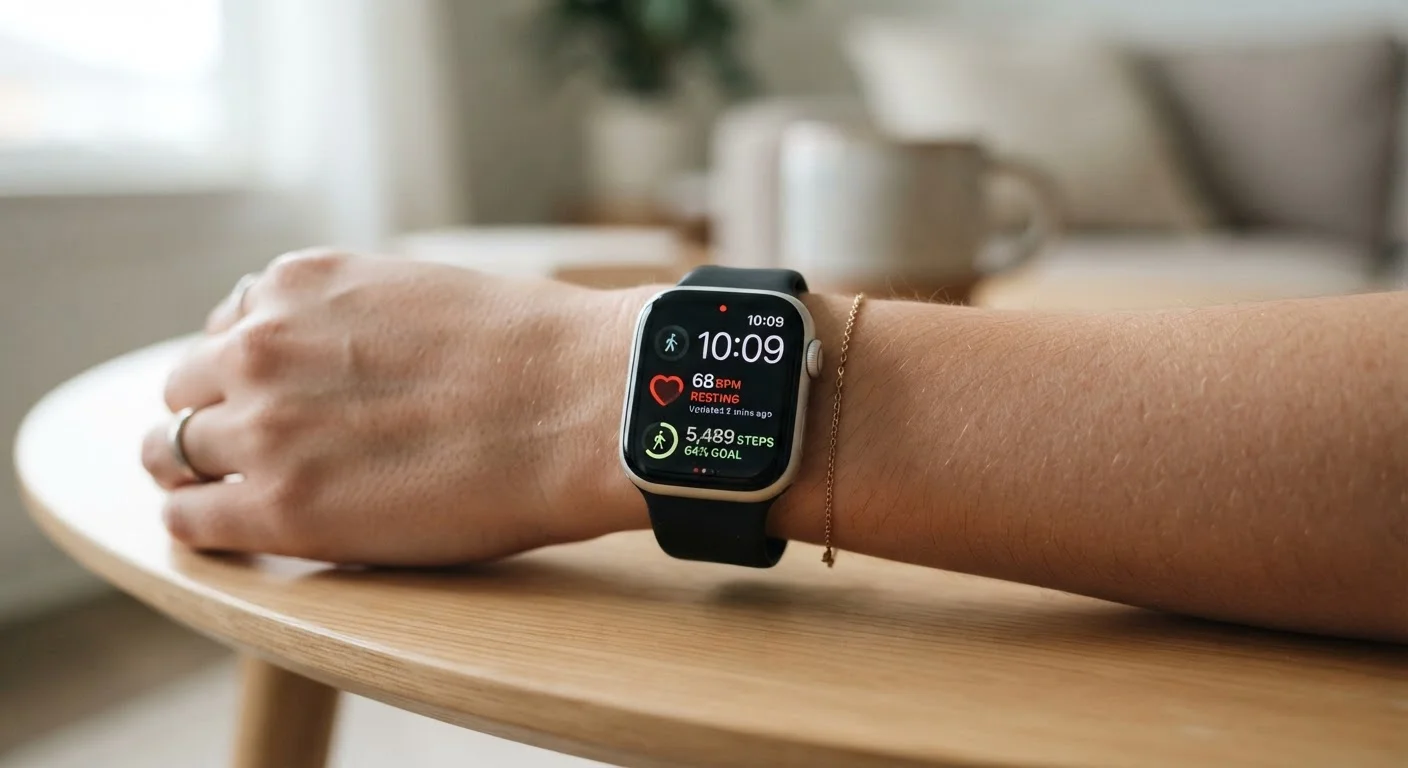
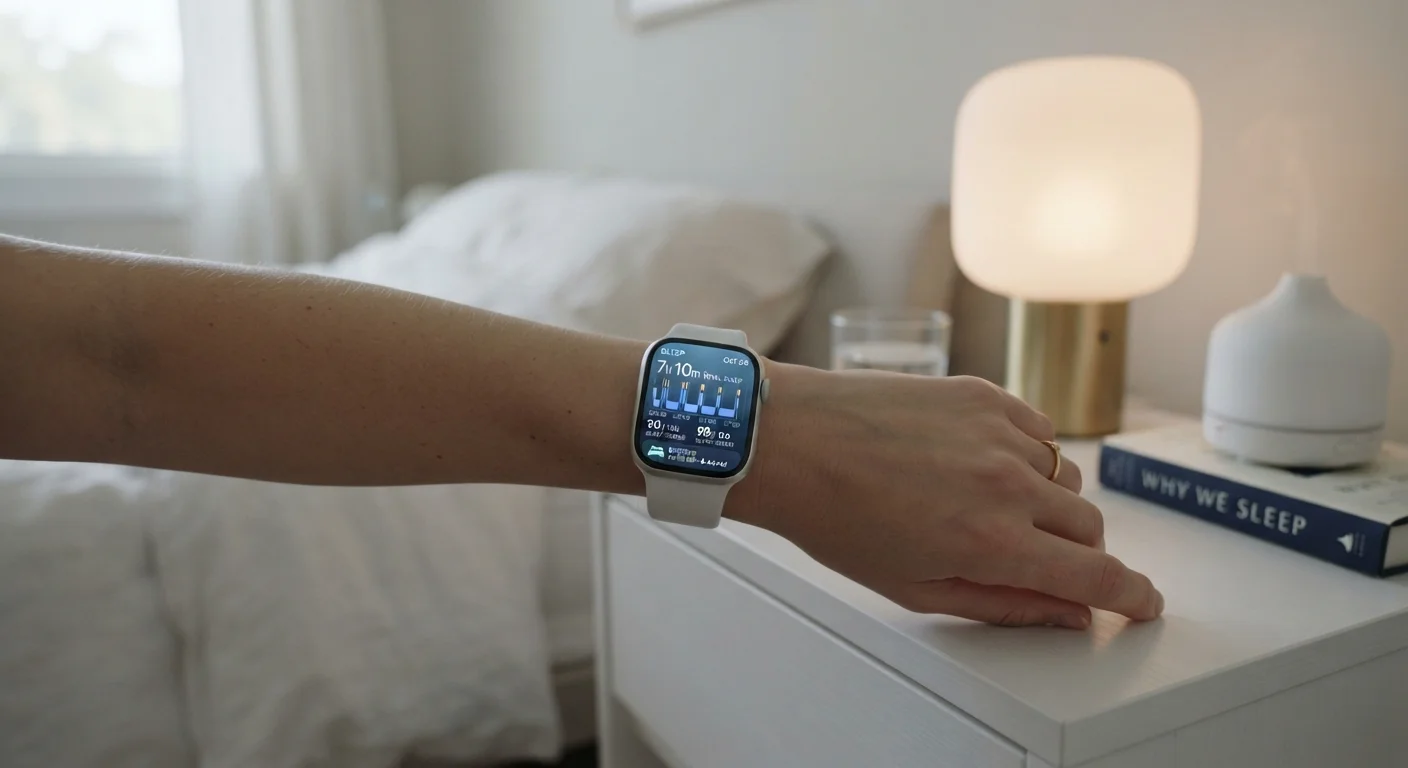
Most wearable sleep trackers — whether a wrist-based smartwatch or a ring-style device — rely on two primary signals: accelerometry (movement detection) and photoplethysmography (optical heart rate measurement). Some devices also incorporate skin temperature sensors or blood oxygen (SpO2) readings. Algorithms then translate these inputs into estimates of sleep duration and, on many platforms, sleep stages such as light, deep, and REM sleep.
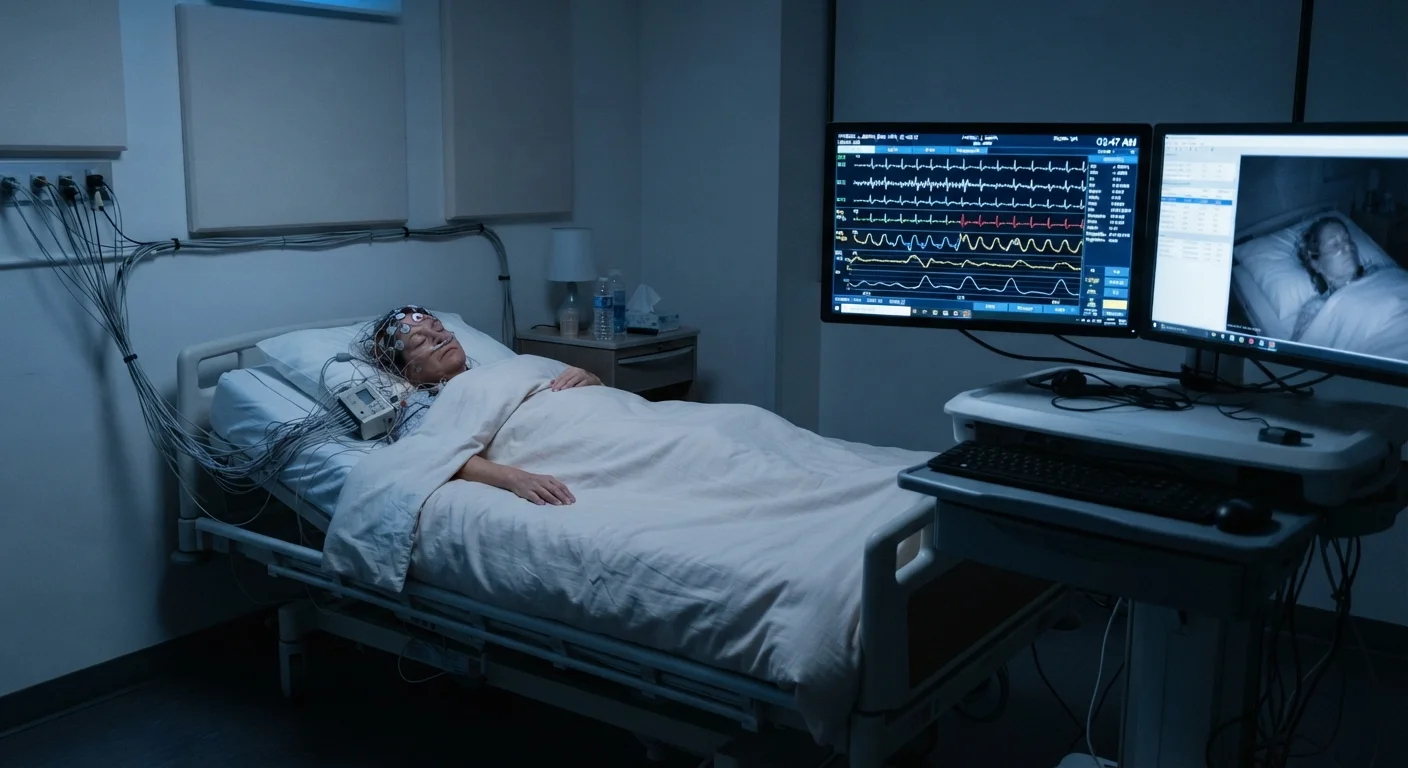
This approach differs fundamentally from the gold-standard clinical method. A formal sleep study — known as polysomnography — directly records brain electrical activity (EEG), eye movements, and muscle tone to objectively classify sleep stages. Consumer devices have no access to brain wave data whatsoever. Instead, they infer sleep architecture from indirect physiological proxies, which introduces meaningful error margins. To understand what polysomnography actually involves, see what a sleep study actually involves.
What Sleep Trackers Do Well
Despite their technical limitations, consumer trackers offer several genuine benefits for everyday users.
Raises awareness of overall sleep duration trends
Seeing a running average of nightly sleep can motivate users to prioritize earlier bedtimes. Awareness alone has been linked to incremental behavior change in sleep hygiene research.
Detects elevated resting heart rate patterns
Sustained increases in resting heart rate overnight can signal illness, stress, or overtraining. Many devices flag these deviations and prompt users to investigate further.
Provides consistent, longitudinal data over time
Unlike a single-night clinical study, a wearable records every night, enabling trend analysis across weeks or months that a snapshot evaluation cannot offer.
Encourages regular sleep and wake schedule consistency
Sleep regularity — going to bed and waking at similar times — is strongly associated with better sleep quality. Trackers that display consistency scores can reinforce this habit.
SpO2 monitoring may flag potential breathing irregularities
Some devices can detect drops in blood oxygen saturation that may warrant clinical follow-up, though they are not a replacement for a formal sleep apnea evaluation.
Tracking total sleep time and general sleep consistency are areas where wearables perform reasonably well. Research published in peer-reviewed journals, including studies in Sleep and the Journal of Clinical Sleep Medicine, has found that consumer devices show moderate-to-good agreement with polysomnography on total sleep duration, even if stage accuracy is weaker. For understanding how lifestyle factors like exercise timing interact with your sleep, pairing tracker data with behavioral awareness can be informative — explore how exercise and sleep interact.
Where Sleep Trackers Fall Short
The limitations of consumer sleep tracking are significant and deserve honest consideration before you put too much weight on nightly scores.
Sleep stage estimates carry significant inaccuracy
Without EEG data, trackers cannot reliably distinguish light from deep sleep or accurately measure REM duration. Studies show consumer devices frequently misclassify sleep stages compared to polysomnography.
Scores can create anxiety that worsens sleep
The phenomenon of orthosomnia — anxiety driven by pursuit of a perfect sleep score — has been documented in clinical literature and can itself fragment sleep and increase nighttime arousal.
Cannot diagnose sleep disorders
Conditions such as obstructive sleep apnea, narcolepsy, and restless legs syndrome require clinical assessment and objective testing. A consumer tracker cannot substitute for this evaluation.
Accuracy varies by device and individual physiology
Skin tone, body hair density, and wrist placement all affect optical heart rate sensor performance. Accuracy differences across brands and body types are well documented in validation studies.
Data privacy concerns around sensitive health information
Sleep data is intimate health data. Users should review each platform's data-sharing and storage policies, as practices vary considerably among manufacturers.
~78%
Accuracy identifying sleep vs. wake
A systematic review in Sleep Medicine Reviews found consumer wearables correctly identified sleep versus wakefulness roughly 78% of the time, but stage-level accuracy was substantially lower.
≤50%
Accuracy for specific sleep stages
Research comparing wearables to polysomnography has found that accuracy for individual stages such as deep or REM sleep frequently falls below 50% for some devices.
Beyond accuracy issues, there is an emerging concern called orthosomnia — a term used by researchers to describe a preoccupation with achieving a perfect sleep score that paradoxically disrupts sleep. For a broader look at the trade-offs of daily health monitoring, read about the trade-offs of tracking health with wearables.
Using Sleep Tracker Data Wisely
The most productive way to use a consumer sleep tracker is as a trend tool, not a diagnostic instrument. Look for patterns over weeks and months — are you consistently getting fewer than seven hours on workdays? Does your resting heart rate spike after late-night alcohol? These patterns can prompt useful conversations with a healthcare provider.
When to Consult a Healthcare Provider
If you regularly feel unrefreshed upon waking, notice your partner reports snoring or breath pauses, or struggle with daytime alertness despite adequate time in bed, speak with a healthcare provider. These are clinical symptoms that require professional assessment — no wearable score can evaluate them. Special consideration applies to children, older adults, and those with chronic health conditions, for whom personalized professional guidance is especially important.
If you are experiencing symptoms such as excessive daytime sleepiness, loud snoring, gasping during sleep, or persistent insomnia, no consumer tracker can evaluate these conditions adequately. A clinician-ordered sleep study remains the appropriate next step. Think of your wearable as a starting point for curiosity, not a destination for answers.
This article is for general informational and educational purposes only and is not a substitute for professional medical advice, diagnosis, or treatment. If you have concerns about your sleep health, consult a qualified healthcare provider.